
Jean-Baptiste Pater
Jean-Baptiste Pater (December 29, 1695 – July 25, 1736) was a French rococo painter. • Illustration — Die Freuden des Landlebens by Jean-Baptiste Pater, c. 1730–1735 Pater was born in Valenciennes, French Hainaut. He was the son of sculptor Antoine Pater and studied under him before becoming a student of painter Jean-Baptiste Guide.
Also recorded as Jean Baptiste François Pater · Jean-Baptiste Joseph Pater · Jean-Baptiste-Joseph Pater · J. B. Pater
Jean-Baptiste Pater
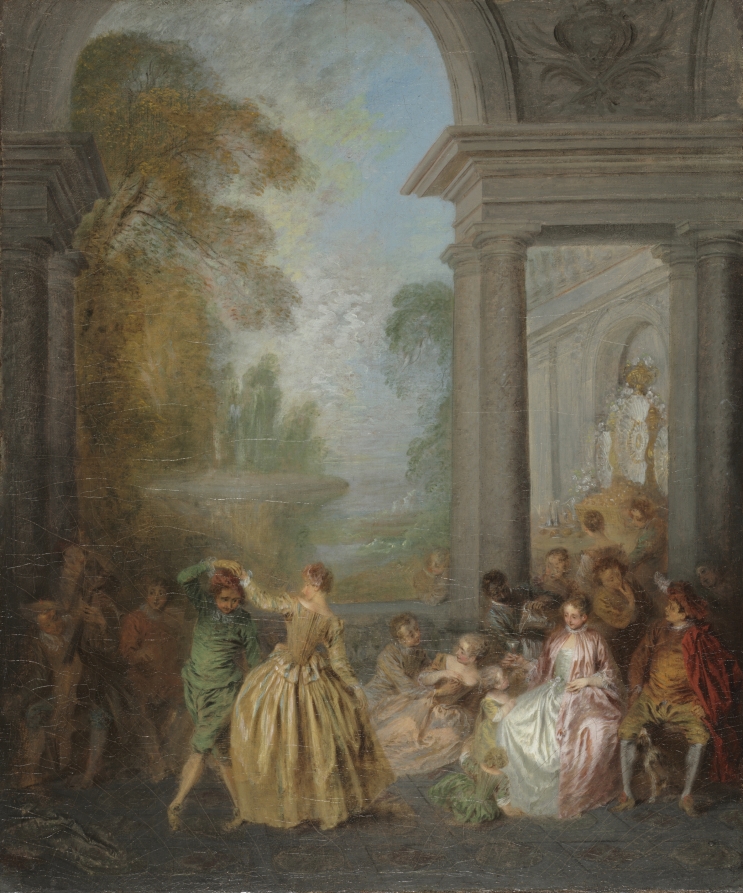
Jean-Baptiste Pater · The Cleveland Museum of Art · Gift of Commodore Louis D. Beaumont · CC0
- Born
- 1695 · Valenciennes.
- Died
- 1736 · Paris.
- Nationality
- France
- Occupation
- painter · graphic artist
- Fields
- erotic art
- Teachers
- Jean-Antoine Watteau
- Known for
- Female Bathers in a Landscape · Fête galante in a Landscape
- Languages
- French
Reference Check
Propose documentary evidence for Jean-Baptiste Pater. A contribution is never written directly as fact: identity, source, rights and evidence gates still decide.
Sign in to contribute
World of VALÉORINE
Documentary connections
Only confirmed graph relationships appear here. Images are shown only when their identity and reuse rights both pass the documentary gate.

Documentary evidence
Documentary basis
Authority files
wikidata · Q731533 · wikipedia · Jean-Baptiste Pater
VALÉORINE Encyclopedia
The documentary record
Statements marked “Documentary record” are set in the article beside the passage they confirm. Each is read from the authority records of the institutions named here; select “Prove” to see the record it was read from, where in that record, and when.
Institutions cited
Bibliothèque nationale de France · Deutsche Nationalbibliothek · Getty Union List of Artist Names
Complete reading chain (JSON)In this article
Identity and origins
Identity and origins
Pater then moved to Paris, briefly becoming a pupil of Antoine Watteau in 1713. Watteau, despite treating Pater badly, had a significant influence on him. However the two quarreled and Pater returned to Valenciennes, where he remained for two years. Pater later claimed to have learnt everything he knew during those few weeks with Watteau. He was accepted into the Académie in 1728, presenting a large military work in the popular Watteau style: La Rejouissance des Soldats (Louvre). • Illustration — The Grape Harvest by Jean-Baptiste Pater, c. 1720 Pater adopted the popular Fête galante subject matter, heavily imitating his teacher Watteau—indeed he directly copied some of his figures. Pater used a traditional Rococo pastel palette. His most characteristic difference in style from other artists of the time surrounded his use of shimmering lines. His most prominent customer was Frederick the Great, who sat for two portraits in the "Turquerie" style: Le Sultan au Harem and Le Sultan au Jardin. One of Pater's most renowned works is Landscape with a Cart (Schloss Charlottenburg), which is considered to display a feathery application of paint that anticipates Francesco Guardi. The delicately constructed subject matter and figures subordination to the buildings represent a movement away from fête galante, a development that was cut short by Pater's death in 1736.
Documentary record
Jean-Baptiste Pater appears in the authority records of the Bibliothèque nationale de France, the Deutsche Nationalbibliothek and the Getty Union List of Artist Names as a painter, genre artist and draughtsman (29 December 1695 – 25 July 1736). Jean-Baptiste Pater was born on 29 December 1695 in Valenciennes and died on 25 July 1736 in Paris.
Training under Jean-Antoine Watteau is recorded. The recorded working language is French. The field of work recorded is erotic art. Works named in the authority record are Female Bathers in a Landscape and Fête galante in a Landscape. Work by Jean-Baptiste Pater is recorded in the collections of Museum Boijmans Van Beuningen, Städel Museum, Minneapolis Institute of Art, The Nelson-Atkins Museum of Art and Thyssen-Bornemisza Museum.
The authorities additionally record the headings Jean Baptiste François Pater, Jean-Baptiste Joseph Pater, Jean-Baptiste-Joseph Pater, J. Pater and Jean-Baptiste Paterre. His recorded language was French. He was the child of Antoine Joseph Pater.
Identity
Identity
Recognition and collections.
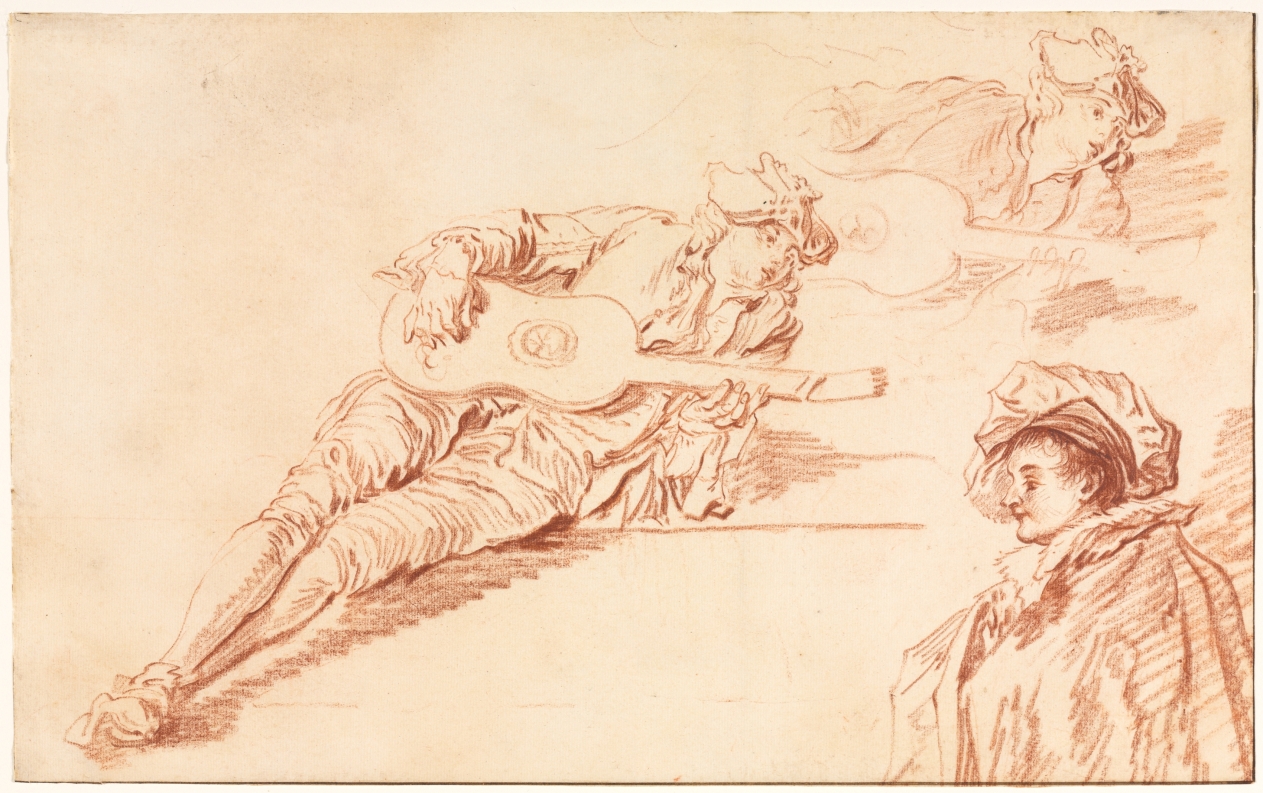
The Guitarist, 1720s, by Jean-Baptiste Pater
Jean-Baptiste Pater · The Cleveland Museum of Art · Dudley P. Allen Fund
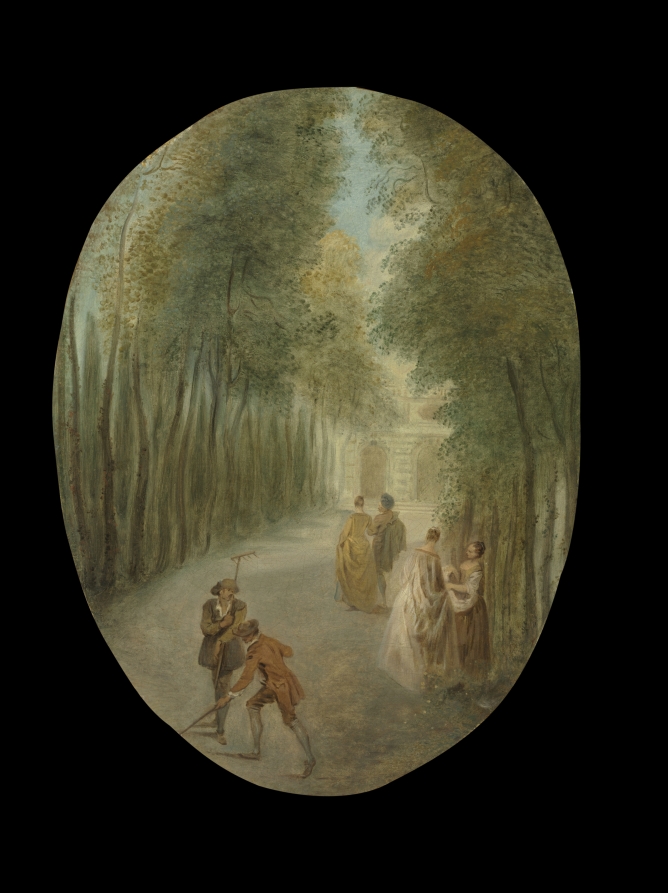
Spring, c. 1720–36, by Jean-Baptiste Pater
Jean-Baptiste Pater · The Cleveland Museum of Art · Gift of Harry D. Kendrick
Life and career
Dated record
Life and career
The full dated record · 2 entries
1695
Jean-Baptiste Pater born at Valenciennes.
1736
Jean-Baptiste Pater died at Paris.
Places
Named by the record
Places
Only places the record itself states, plotted where the house gazetteer settles their coordinates. Nothing is inferred from a name or a nationality.
Valenciennes.
Birth place
Paris.
Death place
Primary material
Documents and archives
scholarly publication
- Jean-Baptiste Pater, Afternoon Tea, 1725–30, French Paintings and Pastels, 1600-1945: The Collections of the Nelson-Atkins Museum of Art, 2021
Scholarly · Crossref registry · 2021
- Jean-Baptiste Pater, The Bathers, 1725–1730, French Paintings and Pastels, 1600-1945: The Collections of the Nelson-Atkins Museum of Art, 2021
Scholarly · Crossref registry · 2021
reference work
- Wikidata, structured authority record Q731533: Jean-Baptiste Pater
Reputable secondary · Wikimedia Foundation
- “Jean-Baptiste Pater”, English Wikipedia, consulted as further reading
Reputable secondary · Wikipedia
Text attribution
Licensing
Text attribution
Part of the biographical narrative on this page reuses licensed material. Its origin, revision and licence are recorded here.
The biographical narrative on this page is based on the Wikipedia article Jean-Baptiste Pater, revision 1365069714 (EN edition), by its contributors. VALÉORINE has edited that text and built its own documentary record around it. The reused material is available under CC BY-SA 4.0, and this page's reuse of it is offered under the same licence. Everything else on this page — the chronology, the holdings, the evidence, the plates and the connections — is VALÉORINE's own record. Sources and licences.
Notes from the source article
Cited by Wikipedia
Notes from the source article
These works are cited by the source article, in its own numbering. They are recorded as its citations, not as sources VALÉORINE has verified.
- 1.Michael Levey. Painting and Sculpture in France, 1700-1789. Yale University Press.
References
Citations
References
Each reference names the institution holding it, so a reader may go to the document itself.
scholarly publication
Jean-Baptiste Pater, Afternoon Tea, 1725–30, French Paintings and Pastels, 1600-1945: The Collections of the Nelson-Atkins Museum of Art, 2021Crossref registry
Institutional witnessscholarly publication
Jean-Baptiste Pater, The Bathers, 1725–1730, French Paintings and Pastels, 1600-1945: The Collections of the Nelson-Atkins Museum of Art, 2021Crossref registry
Institutional witnessreference work
Wikidata, structured authority record Q731533: Jean-Baptiste PaterWikimedia Foundation
Secondary witnessreference work
Secondary witness
People, houses and institutions
Knowledge graph
People, houses and institutions
Teachers, collaborators, publishers and institutions recorded against this person, each on a stated basis.
Died at
1- ParisPlace
Established from a fact already recorded on a verified source.
The Encyclopedia exists whether or not anything is for sale. Corrections are recorded rather than overwritten, and every version of this record is kept. Published 14 August 2026.
Elsewhere in Paintings
19,456 published records in this field, each with its sources named.
- Jean-Baptiste MongeArtist
- Jean-Baptiste MonnoyerArtist
- Jean-Baptiste NattierArtist
- Jean-Baptiste OliveArtist
- Jean-Baptiste Paulin GuérinArtist
- Jean-Baptiste PerronneauArtist
- Jean-Baptiste PillementArtist
- Jean-Baptiste RegnaultArtist
Best supported in this field
For owners
Own a work by Jean-Baptiste Pater?
A specialist will read what you send and tell you what the house can establish, what it cannot, and whether the object is suited to sale. There is no charge and no obligation. The object stays with you throughout; nothing is shipped to us unless it is arranged in writing beforehand.