
Knowledge
VALÉORINE Encyclopedia
What a term means, how a maker worked, how a technique is recognised. Every statement is taken from a named source.
Type to search · Enter to see every match
- Published
- 234,863
565,758 verified sources cited
Seen as well as read
Illustrated records
Each plate is documentary evidence held by a named register, reproduced under the rights that register itself publishes. Where a plate's association with its subject is not firmly established, no plate is shown.

Artist
Ernest Lawson
All images from the M.O. Hammond fonds were uploaded as part of the Archives of Ontario’…

Artist
Al Hirschfeld
Carl Van Vechten · This image is available from the United States Library of Congress 's…

Person
Norbert Schmelzer
Anefo · http://proxy.handle.net/10648/ab0189ee-d0b4-102d-bcf8-003048976d84 · Public domain

Engraver
Patrick Heron
JRennocks · Own work · Open access

Illustrator
Alfred Garth Jones
Alfred Garth Jones · In Memoriam, Tennyson · Public domain

Person
Claudio Abbado
Claudio Abbado (Italian pronunciation: [ˈklaudjo abˈbaːdo]; 26 June 1933 – 20 January 2014) was an Italian conductor who was one of the leading conductors of his generation.
Senato della Repubblica · http://www.senato.it/leg/17/BGT/Schede/Attsen/00030509.htm · O…

Engraver
Jacob Jordaens
Jacob Jordaens · King Baudouin Foundation, photo: KIK-IRPA, Brussels · Public domain
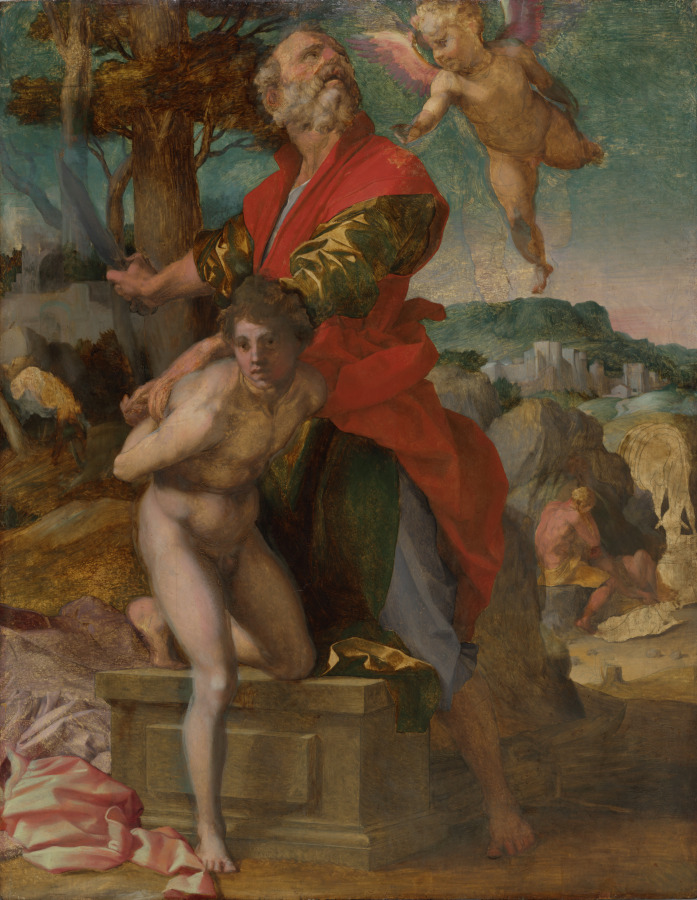
Artist
Andrea del Sarto
Andrea del Sarto · Delia E. Holden and L. E. Holden Funds · Public domain
In focus
What the Encyclopedia is attending to
Where to begin
The most fully evidenced articles
These records carry the greatest number of named, independent sources — the clearest demonstration of how the Encyclopedia is written.
The index
Every record, by kind and by letter
37212 published records
- _SummerWork
- .22 CBTerminology
- .22 long rifleTerminology
- .22 TCMTerminology
- .22-250 RemingtonTerminology
- .220 SwiftTerminology
- .223 Winchester Super Short MagnumTerminology
- .224 Weatherby MagnumTerminology
- .25-06 RemingtonTerminology
- .25-20 WinchesterTerminology
- .260 RemingtonTerminology
- .280 BritishTerminology
The reference estate
Everything else the house publishes
From knowledge to auction
How the Encyclopedia connects to what is selling
One
A subject
An author, photographer, maker, movement, technique or term.
Two
The Encyclopedia
What is known, written plainly, with its sources named where they exist.
Three
Related material
Adjacent subjects, related works and further reading within the reference estate.
Four
Currently at auction
Relevant lots now offered — by private owners or by admitted auction houses, each with its conducting entity named.