
Utrecht Caravaggism
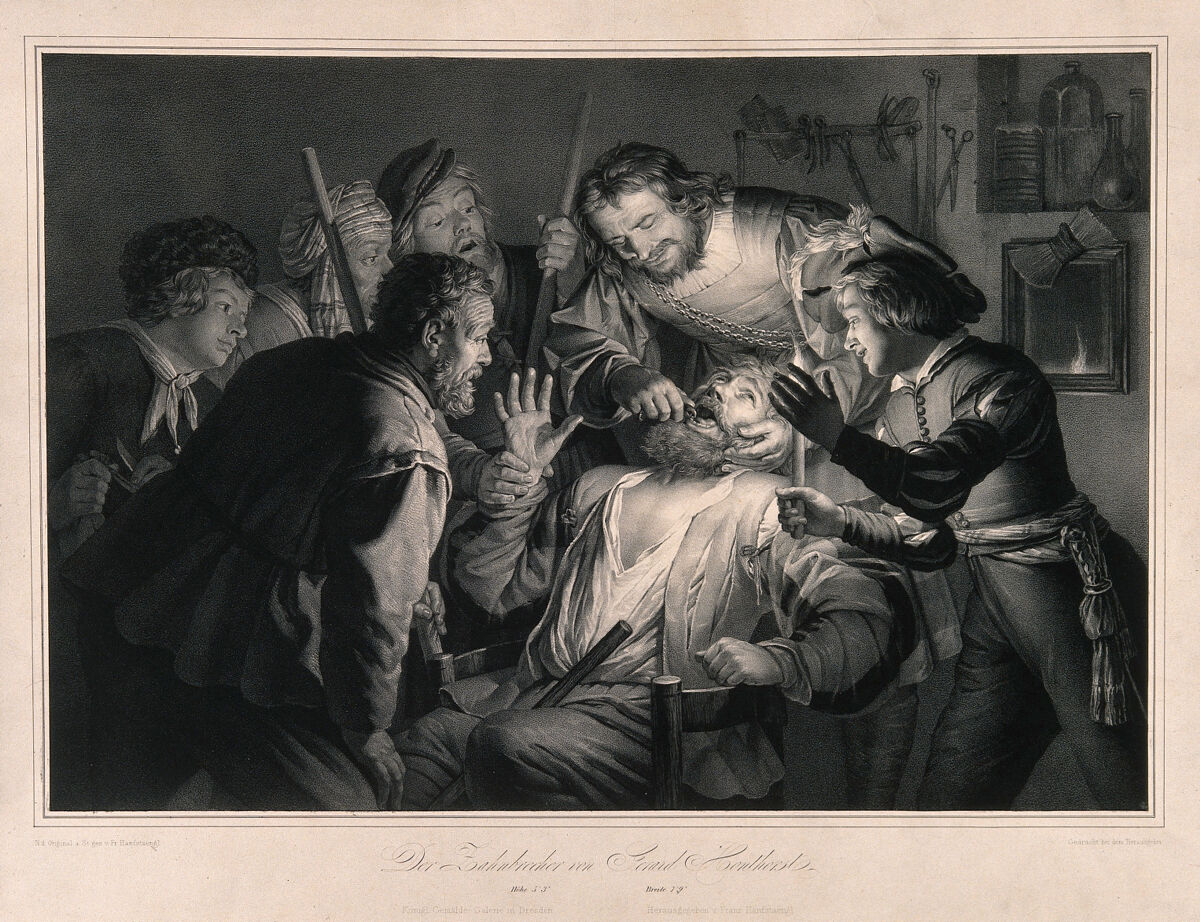
Illustration — The Procuress by van Honthorst, 1625 Utrecht Caravaggism (Utrechtse caravaggisten) refers to the work of a group of artists who were from, or had studied in, the Dutch city of Utrecht, and during their stay in Rome during the early seventeenth century had become distinctly influenced by the art of Caravaggio. Upon their return to the Dutch Republic, they worked in a so-called Caravaggist style, which in turn influenced an earlier generation of local artists as well as artists in Flanders. The key figures in the movement were Hendrick ter Brugghen, Gerrit van Honthorst and Dirck van Baburen, who introduced Caravaggism into Utrecht painting around 1620.
Utrecht Caravaggism

Gerard van Honthorst · UgFlQ52tsFTQZg at Google Cultural Institute maximum zoom level · Public domain
- Field
- Caravaggisti
- Period
- 1610
- Region
- Dutch Republic
VALÉORINE Encyclopedia
VALÉORINE documentary reading
Documentary summary
Illustration — The Procuress by van Honthorst, 1625 Utrecht Caravaggism (Utrechtse caravaggisten) refers to the work of a group of artists who were from, or had studied in, the Dutch city of Utrecht, and during their stay in Rome during the early seventeenth century had become distinctly influenced by the art of Caravaggio. Upon their return to the Dutch Republic, they worked in a so-called Caravaggist style, which in turn influenced an earlier generation of local artists as well as artists in Flanders. The key figures in the movement were Hendrick ter Brugghen, Gerrit van Honthorst and Dirck van Baburen, who introduced Caravaggism into Utrecht painting around 1620.
Admitted source layer · organised and presented by VALÉORINE
Note VALÉORINE
No house-authored Note is published until its assertions and sources pass the VALÉORINE evidence contract. The documentary article remains available in full while that enrichment is being consolidated.
Documentary enrichment in progress · no unsupported statement published
Reference Check
Propose documentary evidence for Utrecht Caravaggism. A contribution is never written directly as fact: identity, source, rights and evidence gates still decide.
Sign in to contribute
World of VALÉORINE
Documentary connections
Only confirmed graph relationships appear here. Images are shown only when their identity and reuse rights both pass the documentary gate.

Documentary evidence
Evidence Panel
not yet certified
- Identity
- resolved
- Independent source families
- 0
- Admitted assertions
- 0
- Open conflicts
- 0
Authority files
wikidata · Q1628039 · wikipedia · Utrecht Caravaggism
In this article
History
History
After 1630 the artists moved in other directions and the movement petered out. The Utrecht Caravaggisti painted predominantly history scenes and genre scenes executed in a realist style.
• Illustration — Bacchante with an Ape by ter Brugghen, 1627 Painters such as Dirck van Baburen, Gerrit van Honthorst, Hendrick ter Brugghen and Jan van Bijlert were all in Rome in the 1610s, a time when the tenebroso of Caravaggio's later style was very influential. Adam Elsheimer, also in Rome at the same time, was probably also an influence on them. Back in Utrecht, they painted mythological and religious history subjects and genre scenes, such as the card-players and gypsies that Caravaggio himself had abandoned in his later career. Utrecht was the most Catholic city in the United Provinces. Its population was about 40% Catholic in the mid-17th century and the rate was even higher among the elite groups, who included many rural nobility and gentry with town houses there. It had previously been the main centre, after Haarlem, of Northern Mannerist painting in the Netherlands. Abraham Bloemaert, who had been a leading figure in this movement, and taught van Honthorst and other artists, was receptive to the influence of his pupils. He changed his style many times before his death in 1651. The painter Matthias Stom is often associated with Utrecht Caravaggism. There is no evidence that he spent time in Utrecht or studied under any of the members of the movement. It is not even clear that he was Dutch rather than Flemish. His style is generally regarded as being close to that of van Honthorst. • Illustration — Crowning with Thorns by Dirck van Baburen (1622) The brief flourishing of Utrecht Caravaggism ended around 1630. At that time, major artists had either died, as in the case of Baburen and ter Brugghen, or had changed style, like Honthorst's shift to portraiture and history scenes informed by the Flemish tendencies associated with Peter Paul Rubens and his followers. They left a legacy through their influence on Rembrandt's use of chiaroscuro and Gerrit Dou's "niche paintings" (a genre developed by Honthorst). Along with other Caravaggisti active in Italy and Woerden, they set the stage for later artists who worked in a Caravaggio-inspired manner such as Georges de La Tour in Lorraine. They may have also influenced Flemish Caravaggisti such as Theodoor Rombouts, Gerard Seghers, Jan Cossiers, Adam de Coster and Jan Janssens, most of whom had spent time in Italy where they had been influenced first-hand by the same artists who had influenced the Utrecht Caravaggists.
Work
Work
The Utrecht Caravaggisti painted mainly history paintings and genre scenes. They broke with the dominant Northern Mannerism previously in favour in the Dutch Republic, preferring a heightened realism borrowed from Caravaggio. Their works were characterized by a direct and lifelike representation of figures in powerful compositions. They preferred the use of chiaroscuro effects which raised the dramatic impact of their compositions which were filled with a small number of figures which are portrayed in close-up. The saints in their biblical compositions are depicted as ordinary people.
Figures, places and works
Knowledge graph
Figures, places and works
Those recorded within this movement, and the places and works associated with it.
Broader subject
1- CaravaggistiMovement
Established from a fact already recorded on a verified source.
Associated with
1- Gerard van HonthorstEngraver
Established from a fact already recorded on a verified source.
Citations
References
Each reference names the institution holding it, so a reader may go to the document itself.
reference work
Partially resolvedreference work
Partially resolved
The Encyclopedia exists whether or not anything is for sale. Corrections are recorded rather than overwritten, and every version of this record is kept. Published 14 August 2026.
Elsewhere in Terminology
620 published records in this field, each with its sources named.
- Ultraist movementMovement
- Urnes styleMovement
- urushi-eMovement
- Utagawa schoolMovement
- vanguarda paulistaMovement
- verismoMovement
- Victorian literatureMovement
- Victorian paintingMovement
Best supported in this field
For owners
Own an object connected with Utrecht Caravaggism?
A specialist will read what you send and tell you what the house can establish, what it cannot, and whether the object is suited to sale. There is no charge and no obligation. The object stays with you throughout; nothing is shipped to us unless it is arranged in writing beforehand.