
Barbizon school
Illustration — Corot, Road by the Water, c. 1865–70, oil on canvas. Clark Art Institute • Illustration — Charles-François Daubigny, The Pond at Gylieu, 1853 The Barbizon School (école de Barbizon, pron) is the name given to oil painters and others who were part of an art movement advancing Realism in art, which arose in the context of the dominant Romantic Movement of the time.
Barbizon school

Constant Troyon · kAFzrGwvAo0Njg at Google Cultural Institute, zoom level maximum · Public domain
- Field
- French Realism
VALÉORINE Encyclopedia
VALÉORINE documentary reading
Documentary summary
Illustration — Corot, Road by the Water, c. 1865–70, oil on canvas. Clark Art Institute • Illustration — Charles-François Daubigny, The Pond at Gylieu, 1853 The Barbizon School (école de Barbizon, pron) is the name given to oil painters and others who were part of an art movement advancing Realism in art, which arose in the context of the dominant Romantic Movement of the time.
Admitted source layer · organised and presented by VALÉORINE
Reference Check
Propose documentary evidence for Barbizon school. A contribution is never written directly as fact: identity, source, rights and evidence gates still decide.
Sign in to contribute
World of VALÉORINE
Documentary connections
Only confirmed graph relationships appear here. Images are shown only when their identity and reuse rights both pass the documentary gate.

Associated With · incoming
Adriaan Jozef Heymans
Artist
https://artinflanders.be/en/artwork/0020721001
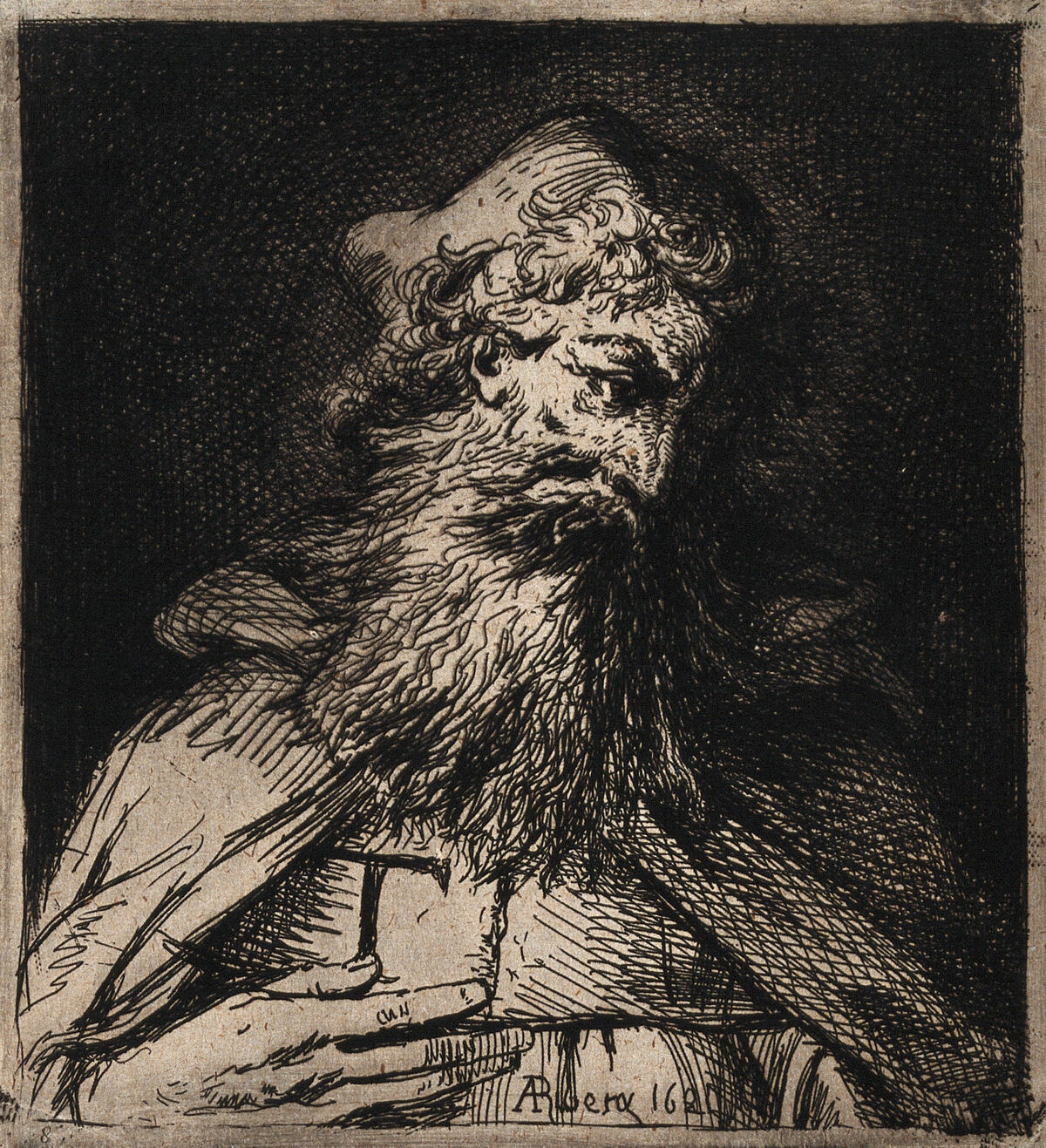
Associated With · incoming
Charles Jacque
Engraver
Wellcome Collection

Associated With · incoming
Félix Ziem
Artist
Bibliothèque nationale de France

Broader Term · outgoing
French Realism
Movement
1. The Yorck Project (2002) 10.000 Meisterwerke der Malerei (DVD-ROM), distributed by DIRECTMEDIA Publishing GmbH. ISBN : 3936122202 . 2./3. Musée Fabre, Official gallery link ( French , click UK flag
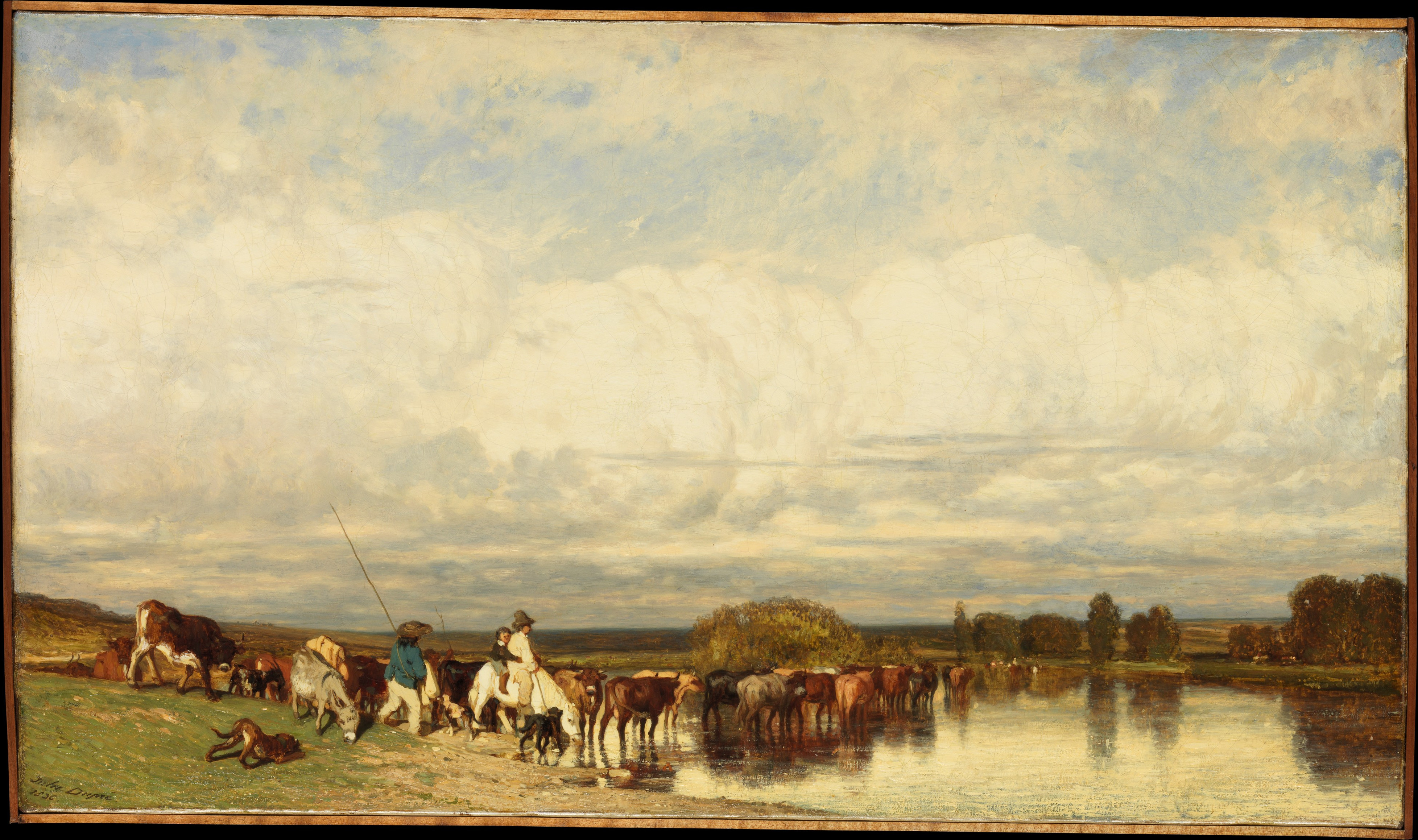
Associated With · incoming
Jules Dupré
Artist
Gift of Mrs. Leon L. Watters, in memory of Leon Laizer Watters, 1967

Associated With · incoming
Léon Germain Pelouse
Artist
https://artinflanders.be/en/artwork/0020540000

Associated With · incoming
Paul Désiré Trouillebert
Artist
https://www.musee-fesch.com/peintures-du-xixeme-siecle/bouquet-de-violettes-09767

Associated With · incoming
Pierre Emmanuel Damoye
Artist
Own work
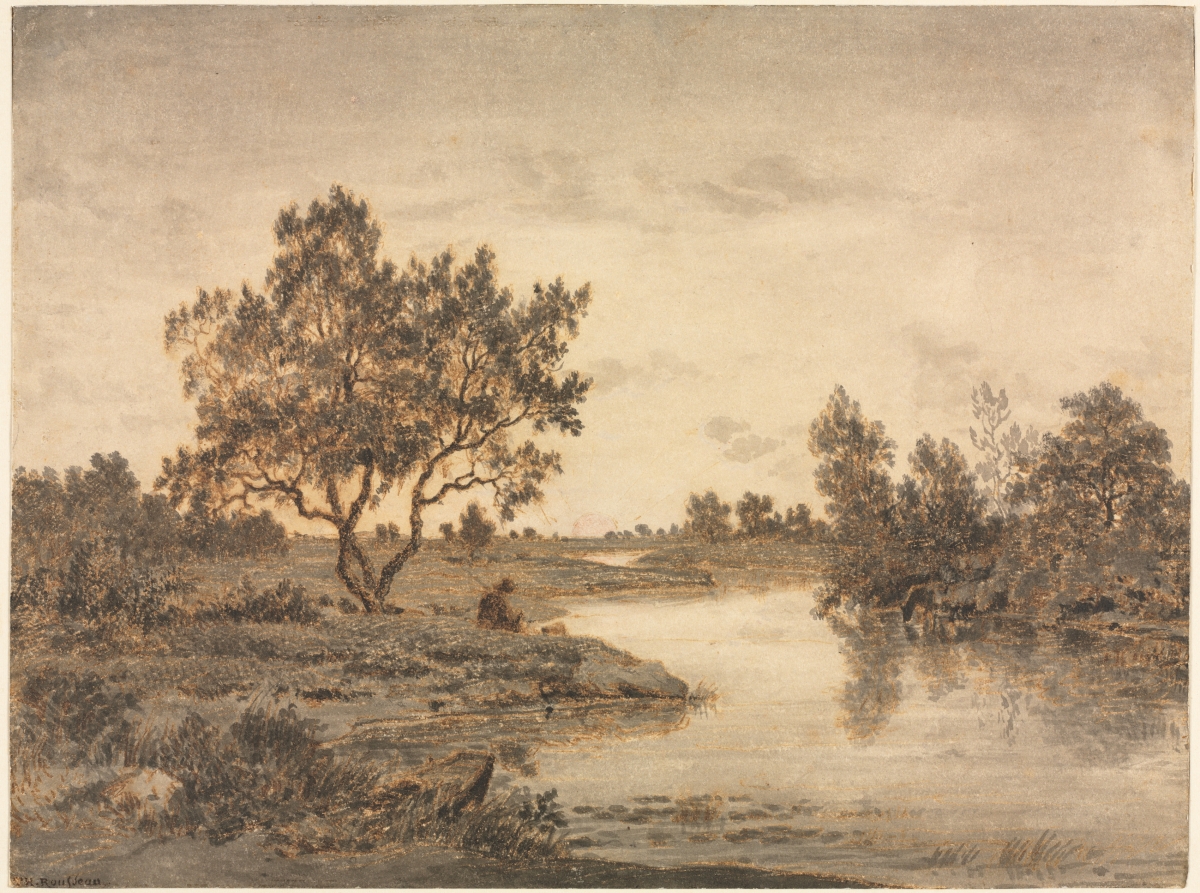
Associated With · incoming
Théodore Rousseau
Engraver
John L. Severance Fund
Documentary evidence
Documentary basis
Authority files
getty · 500115830 · gnd · 16314987-2 · wikidata · Q143357 · wikipedia · Barbizon School
In this article
History
History
Roughly active from 1830 through 1870, the "school" gained its name from the village of Barbizon, France, on the edge of the Forest of Fontainebleau, where many of the artists gathered. Most of their works were landscape painting, which occasionally included farmworkers, and genre scenes of village life. Some of the most prominent features of this school are its tonal qualities, color, loose brushwork, and softness of form. The leaders of the Barbizon School were: Théodore Rousseau, Charles-François Daubigny, Jules Dupré, Édouard Manet, Edgar Degas, Constant Troyon, Charles Jacque, and Narcisse Virgilio Díaz. Jean-François Millet lived in Barbizon from 1849, but his interest in figures with a landscape backdrop sets him rather apart from the others. Jean-Baptiste-Camille Corot was the earliest on the scene, first painting in the forest in 1829, but British art historian Harold Osborne suggested that "his work has a poetic and literary quality which sets him somewhat apart". Other artists associated with the school, often pupils of the main group, include: Henri Harpignies, Albert Charpin, François-Louis Français, and Émile van Marcke. Many of the artists were also printmakers, mostly in etching but the group also provided the bulk of the artists using the semiphotographic cliché verre technique. The French etching revival began with the school, in the 1850s.
• Illustration — Théodore Rousseau, Becquigny, Somme, c. 1857 The Salon of 1824 in Paris exhibited works of John Constable, an English painter. His rural scenes influenced some of the younger artists of the time, moving them to abandon formalism and to draw inspiration directly from nature. Natural scenes became the subjects of their paintings rather than mere backdrops to dramatic events. During the Revolutions of 1848 artists gathered at Barbizon to follow Constable's ideas, making nature the subject of their paintings. The French landscape became a major theme of the Barbizon painters. In the spring of 1829, Jean-Baptiste-Camille Corot came to Barbizon to paint in the Forest of Fontainebleau. He had first painted in the forest at Chailly in 1822. He returned to Barbizon in the autumn of 1830 and in the summer of 1831, where he made drawings and oil studies, from which he made a painting intended for the Salon of 1830; "View of the Forest of Fontainebleau'" (now in the National Gallery in Washington) and, for the Salon of 1831, another "View of the Forest of Fontainebleau"'. While there he met the members of the Barbizon School: Théodore Rousseau, Paul Huet, Constant Troyon, Jean-François Millet, and the young Charles-François Daubigny. • Illustration — The Gleaners, Jean-François Millet, 1857. Musée d'Orsay, Paris Millet extended the idea from landscape to figures – peasant figures, scenes of peasant life, and work in the fields. In The Gleaners (1857), for example, Millet portrays three peasant women gleaning a wheat field after its harvest. By placing the paid harvesters and an overseer placed in the back of the painting, Millet shifted the focus and the subject matter from the prosperous to those at the bottom of the social ladder. During the late 1860s, the Barbizon painters attracted the attention of a younger generation of French artists studying in Paris. Several of those artists visited Fontainebleau Forest to paint the landscape, including future Impressionists Claude Monet, Pierre-Auguste Renoir, Alfred Sisley and Frédéric Bazille. In the 1870s those artists, among others, developed the art movement called Impressionism and practiced plein air painting. In contrast, the main members of the school made drawings and sketches on the spot, but painted back in their studios. The Post-Impressionist painter Vincent van Gogh studied and copied several of the Barbizon painters as well, including 21 copies of paintings by Millet. He copied Millet more than any other artist. He also did three paintings in Daubigny's Garden. Both Théodore Rousseau (1867) and Jean-François Millet (1875) died at Barbizon.
Gallery
Gallery
• Illustration — Jean-Baptiste-Camille Corot, Forest of Fontainebleau, 1834 • Illustration — Jules Dupré, The Old Oak, c. 1870, National Gallery of Art, Washington, D.C. • Illustration — Constant Troyon, The Bathers (Clearing in the Forest), 1842 • Illustration — Charles-Émile Jacque, Shepherdess and Her Flock, 1878
Figures, places and works
Knowledge graph
Figures, places and works
Those recorded within this movement, and the places and works associated with it.
Broader subject
1- French RealismMovement
Established from a fact already recorded on a verified source.
Associated with
1- Théodore RousseauEngraver
Established from a fact already recorded on a verified source.
Influence in Europe
Influence in Europe
• Illustration — Jules Dupré, Fontainebleau Oaks, c 1840 Painters in other countries were also influenced by this art. Beginning in the late nineteenth century, many artists came to Paris from Austria-Hungary to study the new movements. For instance, the Hungarian painter János Thorma studied in Paris as a young man. In 1896 he was one of the founders of the Nagybánya artists' colony in what is now Baia Mare, Romania, which brought impressionism to Hungary. In 2013 the Hungarian National Gallery opens a major retrospective of his work, entitled, "János Thorma, the Painter of the Hungarian Barbizon", 8 February – 19 May 2013, Hungarian National Gallery Karl Bodmer, originally Swiss, settled in Barbizon in 1849. László Paál, another Hungarian, lived in Barbizon in the 1870s.
Influence in America
Influence in America
The Barbizon painters also had a profound impact on landscape painting in the United States. This included the development of the American Barbizon school by William Morris Hunt. Several artists who were also in, or contemporary to, the Hudson River School studied Barbizon paintings for their loose brushwork and emotional impact. A notable example is George Inness, who sought to emulate the works of Rousseau. Paintings from the Barbizon School also influenced landscape painting in California. The artist Percy Gray carefully studied works by Rousseau and other painters which he saw in traveling exhibitions to inform his own paintings of California hills and coastline. The influence of the Barbizon painters may be seen in the sporting dog paintings of Percival Rosseau (1859–1937), who grew up in Louisiana and studied at the Academie Julien.
Primary material
Documents and archives
authority file
- Gemeinsame Normdatei 16314987-2, Tentoonstelling Van Landschappen uit de Barbizon School en Van Aanverwante Schilders (Amsterdam).
General reference · Deutsche Nationalbibliothek
- Getty Union List of Artist Names 500115830, Barbizon School.
General reference · The Getty Research Institute
reference work
- Wikidata, structured authority record Q143357: Barbizon school
Reputable secondary · Wikidata
- “Barbizon School”, English Wikipedia, consulted as further reading
Reputable secondary · Wikipedia
Related artists
Notes from the source article
Cited by Wikipedia
Notes from the source article
These works are cited by the source article, in its own numbering. They are recorded as its citations, not as sources VALÉORINE has verified.
- 1.Craven, Wayne. American Art: History and Culture. Harry N. Adams, Inc. 332. 1994.
- 2.Osborne, 106–107, 107 quoted
- 3.Salsbury, Britany. "The Etching Revival in Nineteenth-Century France". In Heilbrunn Timeline of Art History. New York: The Metropolitan Museum of Art, 2014, online
- 4.Metropolitan Museum of Art timeline
- 5.Pomaréde, Vincent, Le ABCdaire de Corot et le passage français (1996), Flammarion, Paris, ( )
- 6.Heilbrunn Timeline, Metropolitan Museum of Art
- 7.Osborne, 107
- 8.János Thorma, the Painter of the Hungarian Barbizon, 8 February – 19 May 2013, Hungarian National Gallery
- 9.Bell, Adrienne. George Inness (1825–1894). Metropolitan Museum of Art. December 2012.
- 10.Harrison, Alfred. The Legacy of Percy Gray. Carmel Art Association. 1999. 1885666098.
- 11.Treydel, Renate. "Pelouse, Léon Germain (Léon)" in Allgemeines KünstlerLexikon, Die Bildenden Künstler aller Zeiten und Völker, vol. 95, p. 19, Berlin/Boston: Walter de Gruyter GmbH, 2017: "For a long time, he was overshadowed by the painters of Barbizon and is now counted among the artists known as 'Les Barbizon bretons'".
Bibliography printed in the source article · 2
- Catalogues des Collections des Musees de France. Ministère de la culture. (Catalogs of Collections of Museums of France. Ministry of Culture.)
- Osborne, Harold (ed), The Oxford Companion to Art, 1970, OUP,
References
Citations
References
Each reference names the institution holding it, so a reader may go to the document itself.
authority file
Gemeinsame Normdatei 16314987-2, Tentoonstelling Van Landschappen uit de Barbizon School en Van Aanverwante Schilders (Amsterdam).Deutsche Nationalbibliothek
Secondary witnessauthority file
Getty Union List of Artist Names 500115830, Barbizon School.The Getty Research Institute
Secondary witnessreference work
Secondary witnessreference work
Secondary witness
Further particulars
Held on the record
Further particulars
Open the remaining particulars
Barbizon school is connected to 7 other published records in the VALÉORINE Encyclopedia.
Barbizon school is recorded as founded by Jean-Baptiste Camille Corot, Charles-François Daubigny and Jean-François Millet. Classified as a French Realism.
Barbizon school is recorded as
Barbizon
The Encyclopedia exists whether or not anything is for sale. Corrections are recorded rather than overwritten, and every version of this record is kept. Published 16 August 2026.
Elsewhere in Terminology
620 published records in this field, each with its sources named.
- Bad PaintingMovement
- Baghdad Modern Art GroupMovement
- Baghdad SchoolMovement
- Bandaya movementMovement
- Barcelona School of FilmMovement
- Baroque musicMovement
- Baroque paintingMovement
- Baroque sculptureMovement
Best supported in this field
For owners
Own an object connected with Barbizon school?
A specialist will read what you send and tell you what the house can establish, what it cannot, and whether the object is suited to sale. There is no charge and no obligation. The object stays with you throughout; nothing is shipped to us unless it is arranged in writing beforehand.