
Sienese school
Illustration — Simone Martini, Annunciation with St. Margaret and St. Ansanus, 1333 The Sienese school of painting flourished in Siena, Italy, between the 13th and 15th centuries.
Sienese school
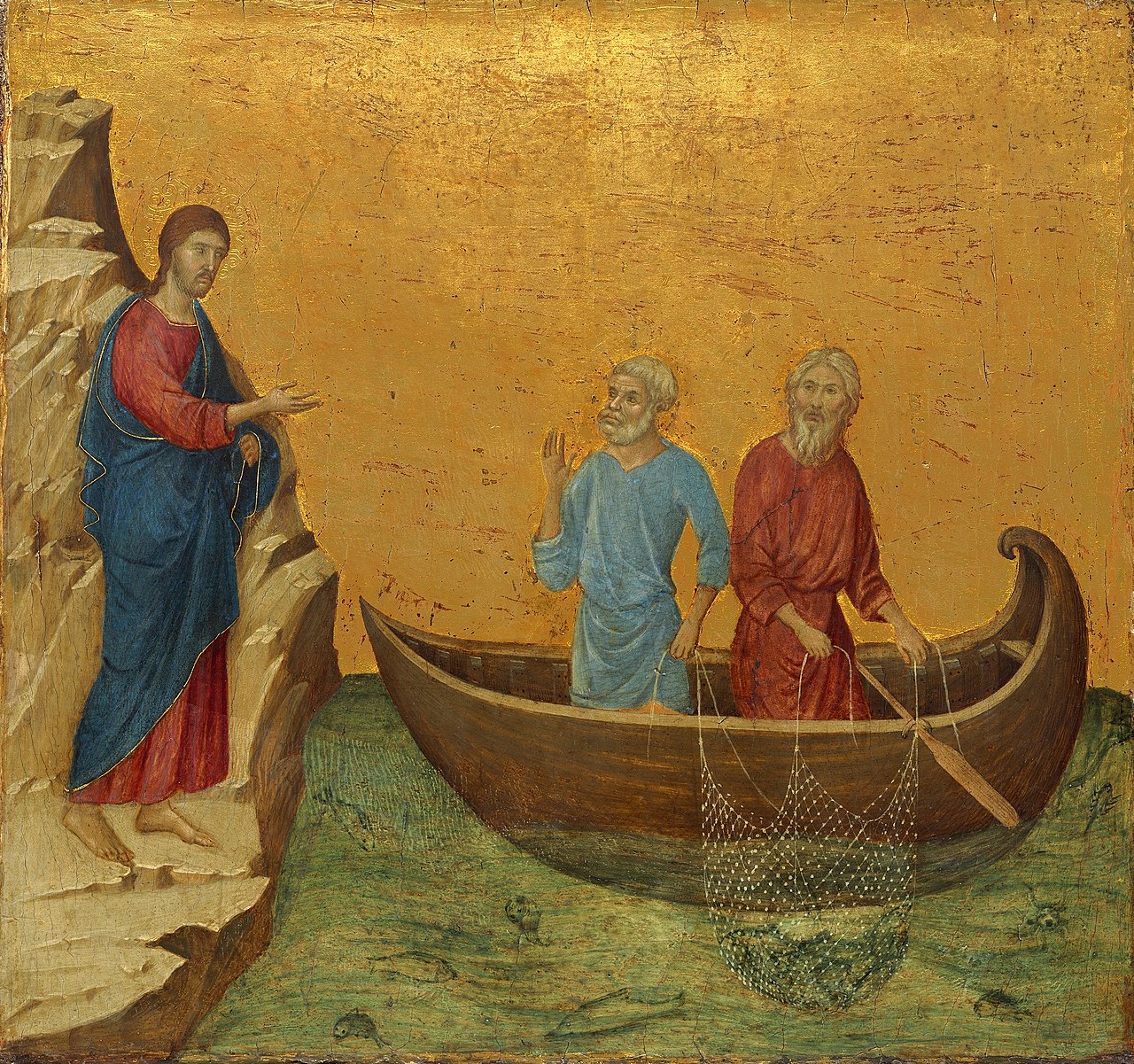
Duccio di Buoninsegna · The Yorck Project (2002) 10.000 Meisterwerke der Malerei (DVD-ROM), distributed by DIRECTMEDIA Publishing GmbH. ISBN: 3936122202. · Public domain
- Period
- 1300
- Region
- Italy
Reference Check
Propose documentary evidence for Sienese school. A contribution is never written directly as fact: identity, source, rights and evidence gates still decide.
Sign in to contribute
World of VALÉORINE
Documentary connections
Only confirmed graph relationships appear here. Images are shown only when their identity and reuse rights both pass the documentary gate.

Associated With · incoming
Andrea di Niccolò
Artist
http://www.wildenstein.com/exhibits/italian/11.html

Associated With · incoming
Andrea Vanni
Artist
Own work

Associated With · incoming
Bartolo di Fredi
Artist
Honolulu Academy of Arts

Associated With · incoming
Bernardino Fungai
Artist
Own work
Associated With · incoming
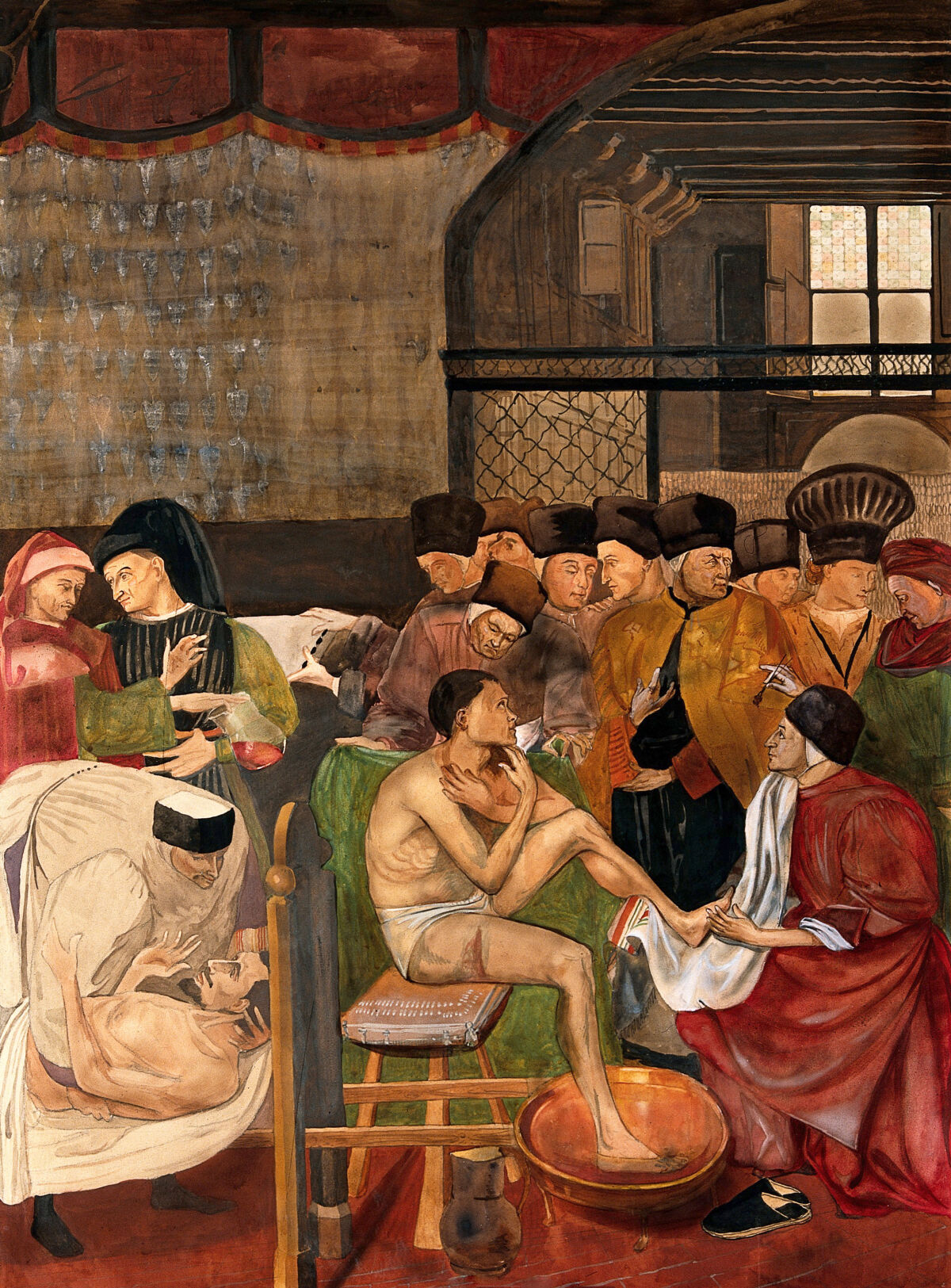
Domenico di Bartolo
Artist
Wellcome Collection

Associated With · incoming
Francesco di Vannuccio
Artist
Own work

Associated With · incoming
Girolamo di Benvenuto
Artist
1. Denver Art Museum 2. arthistoryreference.com

Associated With · incoming
Guido of Siena
Artist
Own work

Associated With · incoming
Martino di Bartolomeo
Artist
Own work

Associated With · incoming
Matteo di Giovanni
Artist
Own work , Croquant

Associated With · incoming
Niccolò di Buonaccorso
Artist
https://www.christies.com/lot/lot-6458268
Associated With · incoming
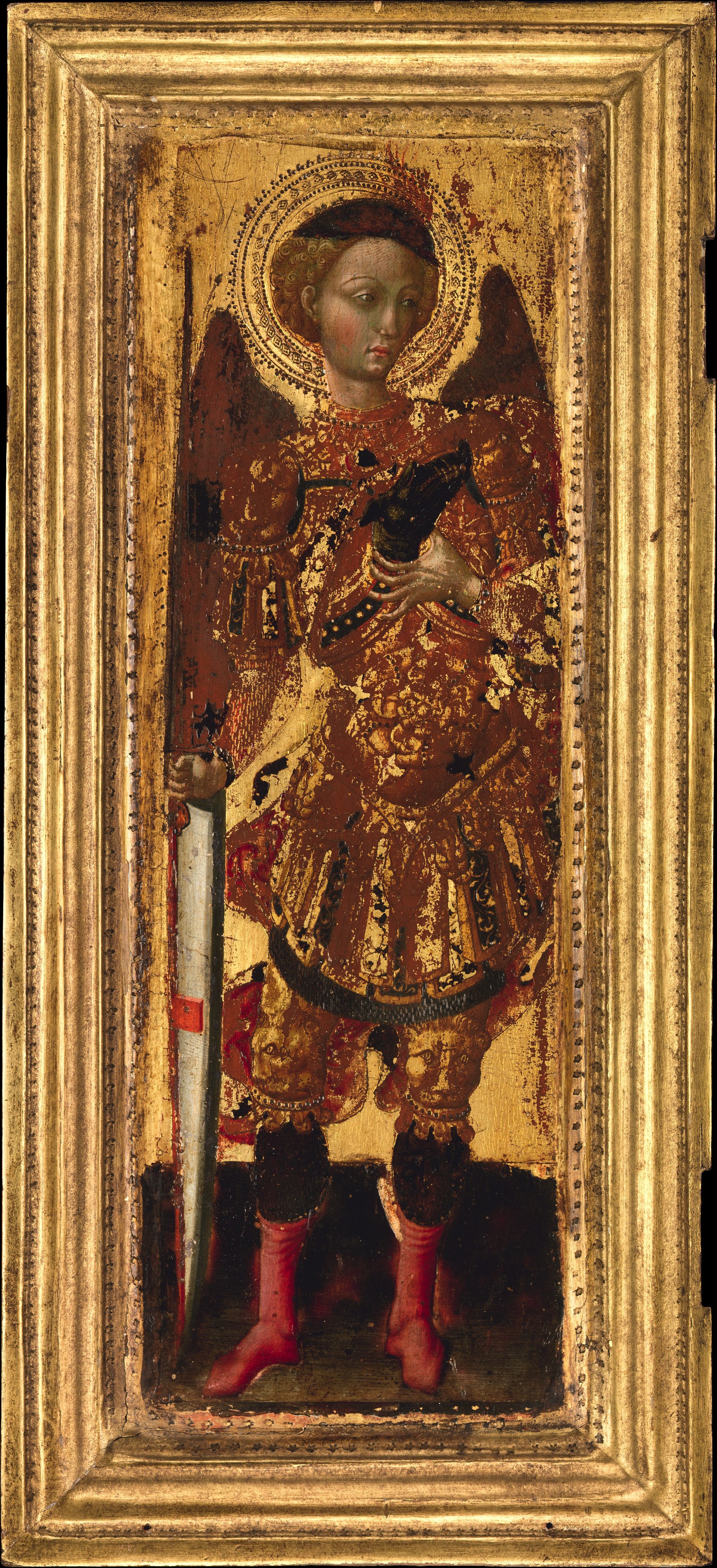
Pietro di Giovanni d'Ambrogio
Artist
Robert Lehman Collection, 1975

Associated With · incoming
Rutilio di Lorenzo Manetti
Artist
[1]

Associated With · incoming
Ventura Salimbeni
Artist
Philadelphia Museum of Art
Documentary evidence
Evidence Panel
original value insufficient · checked 25 September 2026
- Identity
- resolved
- Independent source families
- 0
- Admitted assertions
- 0
- Open conflicts
- 0
Authority files
wikidata · Q1332178 · wikipedia · Sienese school
In this article
History
Its most important artists include Duccio, whose work shows Byzantine influence, his pupil Simone Martini, the brothers Pietro and Ambrogio Lorenzetti and Domenico and Taddeo di Bartolo, Sassetta, and Matteo di Giovanni.
• Illustration — Pietro Lorenzetti, detail of the Deposition of Christ, Fresco in the Lower Basilica at Assisi Duccio may be considered the "father of Sienese painting". The brothers Pietro and Ambrogio Lorenzetti were "responsible for a crucial development in Sienese art, moving from the tradition inherited from Duccio towards a Gothic style, incorporating the innovations in Florence introduced by Giotto and Arnolfo di Cambio". "Sienese art flourished even when Siena itself had begun to decline economically and politically. And while the artists of 15th-century Siena did not enjoy the widespread patronage and respect that their 14th-century ancestors had received, the paintings and illuminated manuscripts they produced form one of the undervalued treasures in the bounty of Italian art." In the late 15th century, Siena "finally succumbed" to the Florentine school's teachings on perspective and naturalistic representation, absorbing its "humanist culture". In the 16th century the Mannerists Beccafumi and Il Sodoma worked there. While Baldassare Peruzzi was born and trained in Siena, his major works and style reflect his long career in Rome. The economic and political decline of Siena by the 16th century, and its eventual subjugation by Florence, largely checked the development of Sienese painting, although it also meant that a good proportion of Sienese works in churches and public buildings were not discarded or destroyed.
Style
Unlike Florentine art, Sienese art opted for a more decorative style and rich colors, with "thinner, elegant, and courtly figures". It also has "a mystical streak...characterized by a common focus on miraculous events, with less attention to proportions, distortions of time and place, and often dreamlike coloration". Sienese painters did not paint portraits, allegories, or classical myths. • Illustration — Maestà by Duccio (1308–11) Tempera on wood, 214 x 412 cm Museo dell'Opera del Duomo, Siena
1251–1300
• Guido da Siena
1301–1350
• Illustration — Ugolino di Nerio, predella scene of The Last Supper • Duccio di Buoninsegna • Segna di Buonaventura • Niccolò di Segna • Simone Martini • Lippo Memmi • Naddo Ceccarelli • Ambrogio Lorenzetti • Pietro Lorenzetti • Bartolomeo Bulgarini • Ugolino di Nerio • Lippo Vanni
1351–1400
• Bartolo di Fredi • Andrea Vanni • Francesco di Vannuccio • Jacopo di Mino del Pellicciaio • Niccolò di Bonaccorso • Niccolò di Ser Sozzo • Luca di Tommè • Taddeo di Bartolo • Andrea di Bartolo • Paolo di Giovanni Fei • (Master of the Richardson Triptych) • Biagio Goro Ghezzi
1401–1450
• Illustration — Giovanni di Paolo, Madonna of Humility, c. 1442 • Benedetto di Bindo • Domenico di Bartolo • Giovanni di Paolo • Gregorio di Cecco • Martino di Bartolomeo • Master of the Osservanza Triptych • Pietro di Giovanni d'Ambrogio • Priamo della Quercia • Sano di Pietro • Sassetta (Stefano di Giovanni) • Lorenzo di Pietro (Vecchietta)
1451–1500
• Nicola di Ulisse • Matteo di Giovanni • Benvenuto di Giovanni • Carlo di Giovanni • Francesco di Giorgio Martini • Neroccio di Bartolomeo de' Landi • Pietro di Francesco degli Orioli • Guidoccio Cozzarelli • Bernardino Fungai • Pellegrino di Mariano • Andrea di Niccolò • Pietro di Domenico
1501–1550
• Illustration — Domenico Beccafumi, Public Virtues of Greek and Roman Heroes – The Sacrifice of King Codron of Athens, fresco, c. 1530 • Girolamo di Benvenuto • Giacomo Pacchiarotti • Girolamo del Pacchia • Domenico Beccafumi • Il Sodoma (Giovanni Antonio Bazzi) • Riccio Sanese (Bartolomeo Neroni)
1601–1650
• Francesco Vanni • Ventura Salimbeni • Rutilio Manetti

Uffizi Gallery, Florence, Italy
Diego Delso
Named by the record
Places
Only places the record itself states, plotted where the house gazetteer settles their coordinates. Nothing is inferred from a name or a nationality.
- Italy
Primary material
Documents and archives
reference work
- “Sienese school”, English Wikipedia, consulted as further reading
Reputable secondary · Wikipedia
authority record
- Wikidata, structured authority record Q1332178: Sienese school
Unverified · Wikidata
Cited by Wikipedia
Notes from the source article
These works are cited by the source article, in its own numbering. They are recorded as its citations, not as sources VALÉORINE has verified.
- 1.Christiansen, Keith. Sienese Painting (last updated October 2004(. Heilbrunn Timeline of Art History. The Metropolitan Museum of Art.
- 2.Effects of Good Government in the city. Google Arts & Culture.
- 3.Kimmelman, Michael. Art; Sienese Gold. New York Times. 11 September 1988.
- 4.Nici, John B. AP Art History. Barron's Educational Series. 232. 2008. 9781438080536.
- 5.Spence, Rachel. Early Renaissance art in Siena. Financial Times. 16 April 2010.
- 6.Matteo da Sienna.
Bibliography printed in the source article · 2
- Pope-Hennessy, John & Kanter, Laurence B. The Robert Lehman Collection I, Italian Paintings. The Metropolitan Museum of Art in association with Princeton University Press. 1987. 0870994794.
- Timothy Hyman; Sienese Painting, Thames & Hudson, 2003 .
Citations
References
Each reference names the institution holding it, so a reader may go to the document itself.
reference work
Partially resolvedauthority record
Unverified
The Encyclopedia exists whether or not anything is for sale. Corrections are recorded rather than overwritten, and every version of this record is kept. Published 14 August 2026.
Elsewhere in Terminology
620 published records in this field, each with its sources named.
- shin-hangaMovement
- ShinkankakuhaMovement
- Shinkō shashinMovement
- shock artMovement
- SignalismMovement
- Sikh paintingMovement
- SiuruMovement
- social poetryMovement
Best supported in this field
For owners
Own an object connected with Sienese school?
A specialist will read what you send and tell you what the house can establish, what it cannot, and whether the object is suited to sale. There is no charge and no obligation. The object stays with you throughout; nothing is shipped to us unless it is arranged in writing beforehand.