
Pierre Aubry
Illustration — Pierre Aubry Pierre Aubry (14 February 1874 in Paris – 31 August 1910 in Dieppe) was a French musicologist (according to professor of music and medieval studies, John Haines, Aubry was the first to use the term musicologie.) who specialized in secular monophony, musical palaeography and the music of the 13th century. He is particularly known for applying the modal rhythms of Franconian theory to the repertoire trouvère and troubadour songs. The Alsatian scholar Johann-Baptist (later Jean-Baptist) Beck claimed plagiarism and Aubry called for a trial, which resulted in a judgment in Beck's favor.
Pierre Aubry
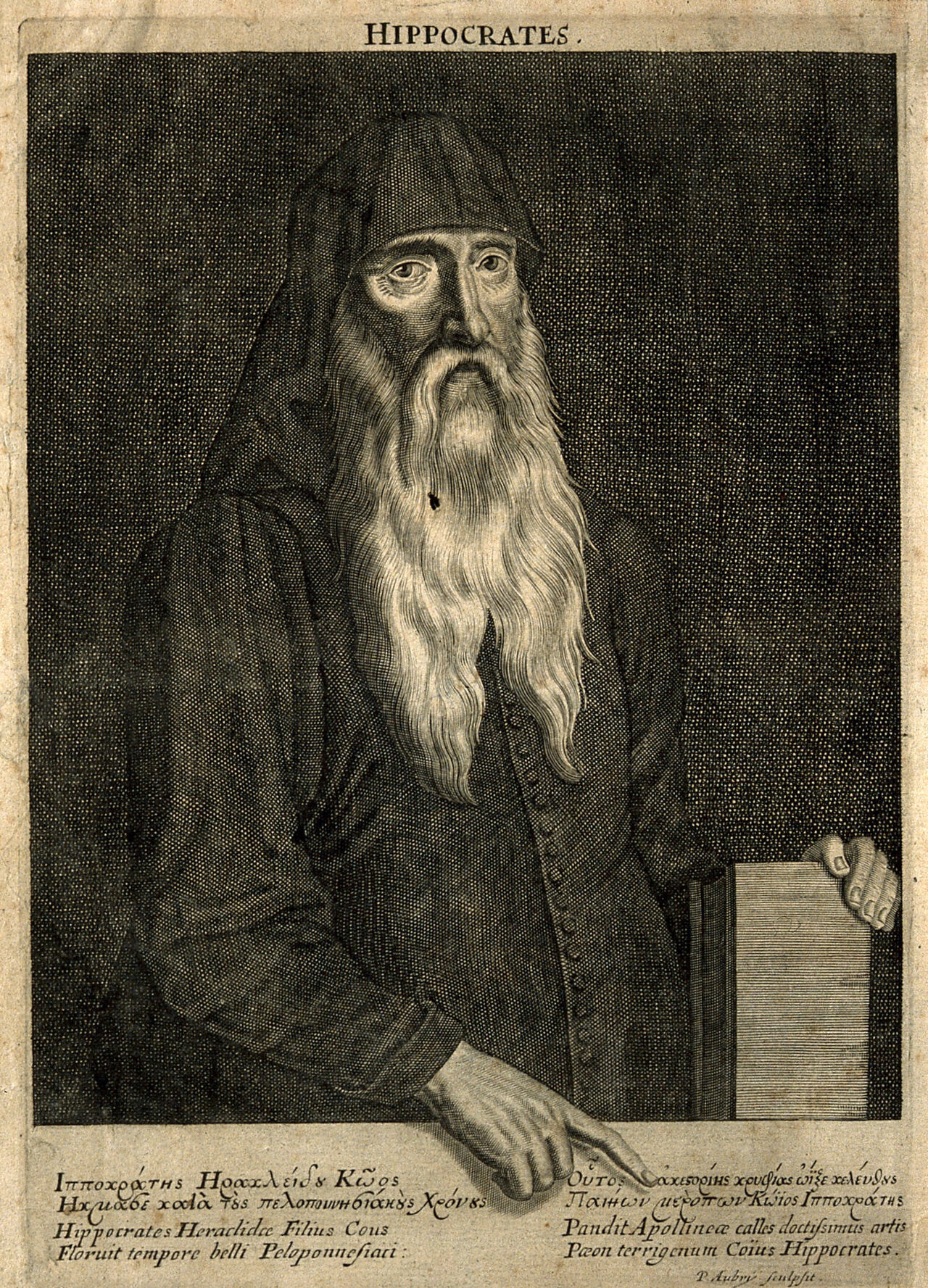
Pierre Aubry · Wellcome Collection, London · Wellcome Collection · Public Domain Mark
- Born
- 1874 · Paris.
- Died
- 1910 · Dieppe.
- Nationality
- France
- Occupation
- musicologist · archivist · musician
- Education
- École des chartes
- Languages
- French
VALÉORINE Encyclopedia
The documentary record
Each statement is read from the authority records of the institutions named. Select “Prove” beside a statement to see the record it was read from, where in that record, and when.
Pierre Aubry (14 February 1874 – 31 August 1910) was a musician, “Musikhistoriker”, archivist and musicologist.
Life
Pierre Aubry was born on 14 February 1874; the birthplace is Paris, France, according to the Deutsche Nationalbibliothek and the Bibliothèque nationale de France. Pierre Aubry died on 31 August 1910; the place of death is Dieppe, according to the Deutsche Nationalbibliothek and the Bibliothèque nationale de France. The Bibliothèque nationale de France records the fuller form Dieppe (Seine-Maritime).
Institutions cited
Bibliothèque nationale de France · Deutsche Nationalbibliothek
Complete reading chain (JSON)Reference Check
Propose documentary evidence for Pierre Aubry. A contribution is never written directly as fact: identity, source, rights and evidence gates still decide.
Sign in to contribute
World of VALÉORINE
Documentary connections
Only confirmed graph relationships appear here. Images are shown only when their identity and reuse rights both pass the documentary gate.
Documentary evidence
Documentary basis
Authority files
wikidata · Q1219531
In this article
Named by the record
Places
Only places the record itself states, plotted where the house gazetteer settles their coordinates. Nothing is inferred from a name or a nationality.
Paris.
Birth place
Dieppe.
Death place
Selected publications
Aubry's premature death by suicide was shrouded in rumors of a duel, Beck himself believing the fatal stab wound was an accident while practicing for combat.
• Illustration — Monodie vocale accompagnée et monodie instrumentale (1896-1910). • (with Abbé E. Misset, about Adam of Saint Victor) • Lais et descorts français du xiiie siècle] (1901) • Souvenir d'une mission d'études musicales en Arménie (1902) • Au Turkestan: note sur quelques habitudes musicales chez les Tadjiks et chez les Sartes (1905) • Un "explicit" en musique du roman de Fauvel (1906) • Le roman de Fauvel: reproduction photographique du manuscrit français 146 de la Bibliothèque Nationale de Paris (1907) • Cent motets du XIIIe siècle, publiés d'après le manuscrit Ed.IV.6 de Bamberg (1908) • Trouvères et troubadours] (1909, English translation 1914) • Le chansonnier de l'Arsenal (1910, with A. Jeanroy)
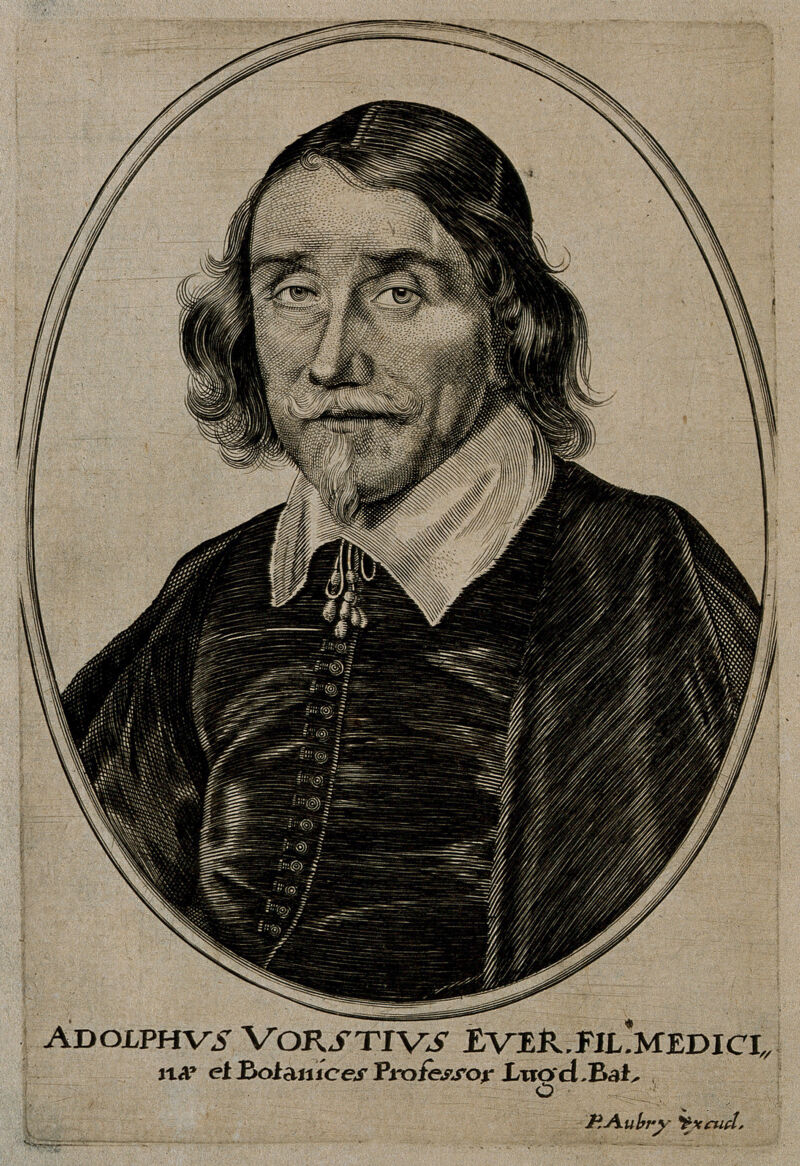
Adolphus Vorstius. Line engraving by P. Aubry after G. Petri., 1600-1699, by Pierre Aubry
Pierre Aubry · Wellcome Collection, London · Wellcome Collection
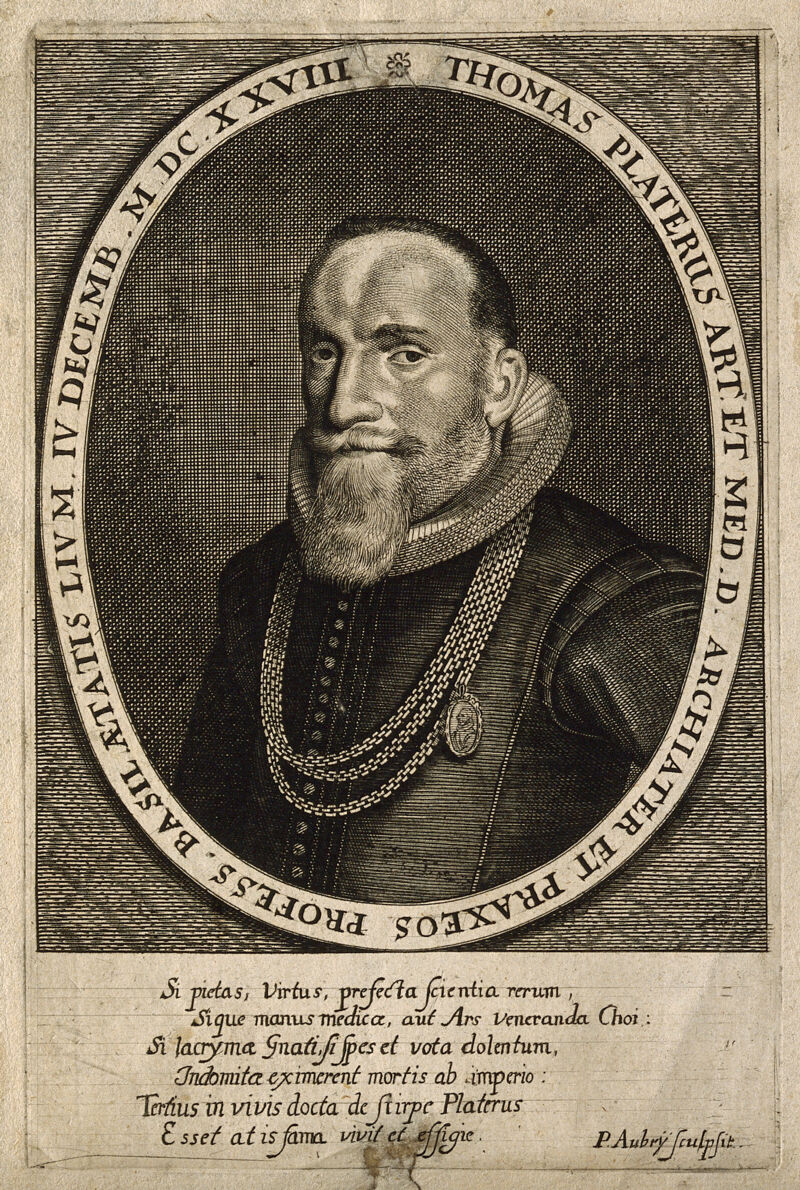
Thomas Plater [Platter] II. Line engraving by P. Aubry., 1600-1699, by Pierre Aubry
Pierre Aubry · Wellcome Collection, London · Wellcome Collection
Text attribution
Licensing
Text attribution
Part of the biographical narrative on this page reuses licensed material. Its origin, revision and licence are recorded here.
The biographical narrative on this page is based on the Wikipedia article Pierre Aubry (musicologist), revision 1362759735 (EN edition), by its contributors. VALÉORINE has edited that text and built its own documentary record around it. The reused material is available under CC BY-SA 4.0, and this page's reuse of it is offered under the same licence. Everything else on this page — the chronology, the holdings, the evidence, the plates and the connections — is VALÉORINE's own record. Sources and licences.
Notes from the source article
Cited by Wikipedia
Notes from the source article
These works are cited by the source article, in its own numbering. They are recorded as its citations, not as sources VALÉORINE has verified.
- 1.Haines, John. Eight Centuries of Troubadours and Trouvères: The Changing Identity of Medieval Music. Cambridge University Press. 155. 2004.
- 2.Haines, John. The Footnote Quarrels of the Modal Theory: A Remarkable Episode in the Reception of Medieval Music. Early Music History. 20. 87–120. 2001. 10.1017/S0261127901001024.
Bibliography printed in the source article · 2
- Haines, John. "The 'Modal Theory', Fencing, and the Death of Pierre Aubry". Plainsong and Medieval Music 6 (1997): 143–150.
- Peter Sühring, Der Rhythmus der Trobadors. Zur Archäologie einer Interpretationsgeschichte, Berlin 2003.
References
Citations
References
Each reference names the institution holding it, so a reader may go to the document itself.
reference work
Secondary witness
The Encyclopedia exists whether or not anything is for sale. Corrections are recorded rather than overwritten, and every version of this record is kept. Published 18 August 2026.
Elsewhere in Music memorabilia
44,023 published records in this field, each with its sources named.
- Pierre AmoyalPerson
- Pierre AncelinPerson
- Pierre AndrePerson
- Pierre AttaingnantPerson
- Pierre BacheletPerson
- Pierre BaillotPerson
- Pierre BarbizetPerson
- Pierre BarouhPerson
Best supported in this field
For owners
Own a work by Pierre Aubry?
A specialist will read what you send and tell you what the house can establish, what it cannot, and whether the object is suited to sale. There is no charge and no obligation. The object stays with you throughout; nothing is shipped to us unless it is arranged in writing beforehand.