
Josef Löwy
Illustration — Josef Löwy Josef Löwy (16 August 1834, in Pressburg – 24 March 1902, in Vienna) was an Austrian painter, publisher, industrialist and Imperial and Royal court photographer.
Also recorded as J. Löwy · Joseph Löwy
Josef Löwy
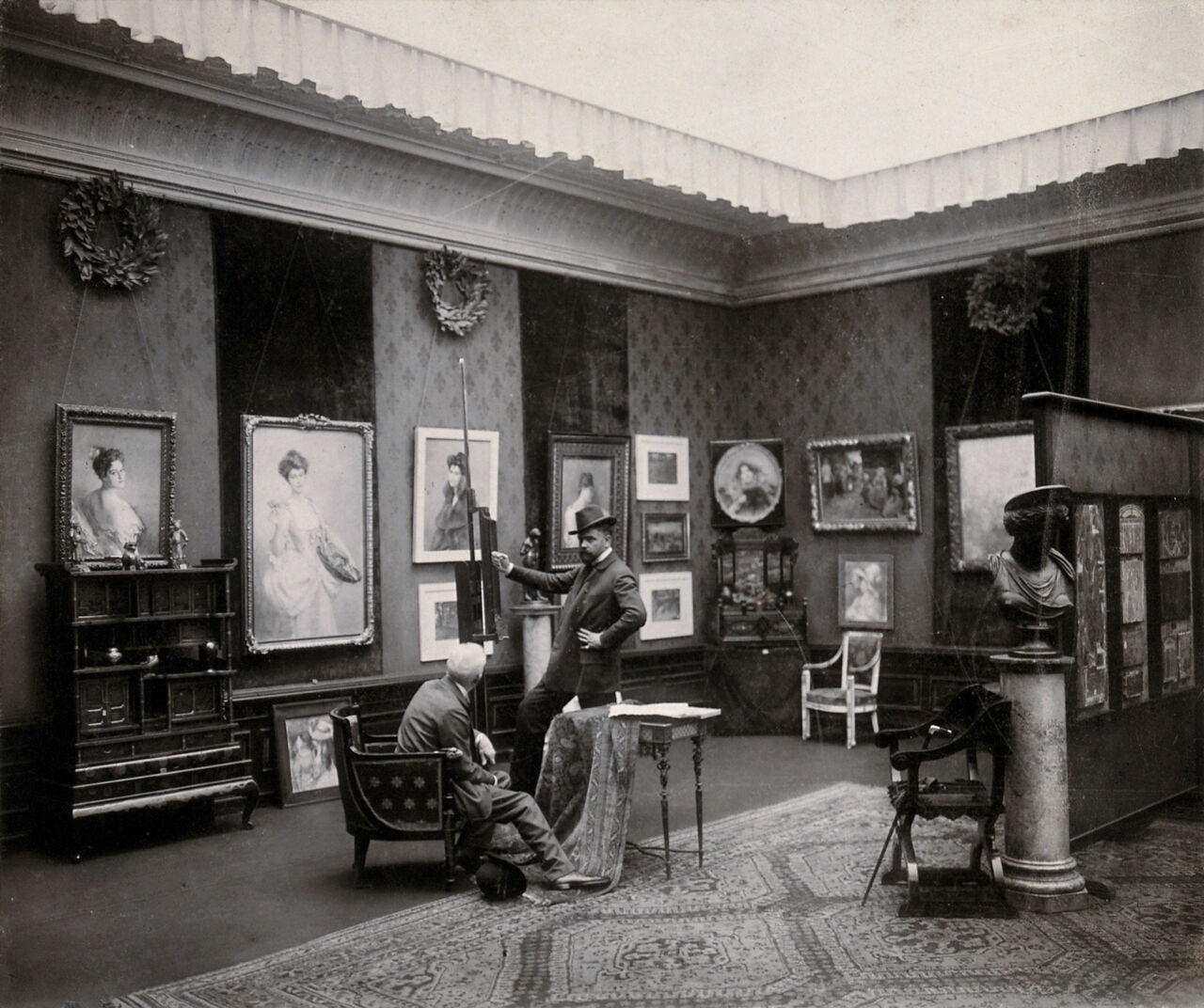
Josef Löwy · Wellcome Collection, London · Wellcome Collection · Public Domain Mark
- Born
- 1834 · Bratislava.
- Died
- 1902 · Vienna.
- Nationality
- Austrian Empire
- Occupation
- painter · photographer · publisher
- Honours
- court photographer
- Languages
- German
VALÉORINE Encyclopedia
VALÉORINE documentary reading
Documentary summary
Illustration — Josef Löwy Josef Löwy (16 August 1834, in Pressburg – 24 March 1902, in Vienna) was an Austrian painter, publisher, industrialist and Imperial and Royal court photographer.
Admitted source layer · organised and presented by VALÉORINE
Reference Check
Propose documentary evidence for Josef Löwy. A contribution is never written directly as fact: identity, source, rights and evidence gates still decide.
Sign in to contribute
World of VALÉORINE
Documentary connections
Only confirmed graph relationships appear here. Images are shown only when their identity and reuse rights both pass the documentary gate.
Documentary evidence
Documentary basis
Authority files
wikidata · Q1705180 · wikipedia · Josef Löwy
In this article
Life
Life
The recorded working language is German. Places of work recorded in the authority are Vienna. Work by Josef Löwy is recorded in the collections of Tate, National Museum of World Cultures, Photography Collection and J. Paul Getty Museum. Distinctions recorded are court photographer.
In 1848, Löwy moved to Vienna, where he learned lithography. He then studied painting at the Academy of Fine Arts Vienna. He opened his first studio in Vienna in 1856. In 1859, he moved to a new studio. One of his premises was related in the Weihburggasse 31, 1 District. In 1861, he joined the Photographischen Gesellschaft in Vienna and in 1864, he participated in the first photographic exhibition in Vienna. Between 1866 and 1873, he had a summer studio in Baden bei Wien. Since 1872, he worked on the Collagraphy processes and he founded a studio for industrial shots in the Landstraße district. In 1873, Löwy joined the Viennese Photographers Association which was founded for the 1873 World Fair in Vienna. This had the license for the production of photographs in the exhibition grounds. In the same year and in part as a result of his participation in the world fair he became court photographer to Emperor Franz Joseph. Among other things, Löwy became known for his industrial photographs, starting from the 1880s, made using heliography. In 1885, he founded a dry plate production business with the amateur photographer Josef Plener. He also became internationally known for his photographic reproductions business. The main subjects of his photography were portraits, Viennese architecture, art and nude photography. His company was continued by his widow Mathilde Löwy and then in 1908 by nephew Gustav Löwy under the name "Kunstanstalt J. Löwy".
Works
Works
• Illustration — Anton August Graf von Attems-Gilleis, Freiherr von Heiligenkreuz (1834–1891) • Illustration — World Fair, Vienna 1873 • Illustration — Vienna Opera House circa. 1898 • Illustration — Mozart statue by Viktor Tilgner, between 1896 und 1898 • Illustration — Johann Strauss II 1899, in: Österreichische Illustrierte Zeitung, 11. Juni 1899 • Illustration — Panorama of Sarajevo in 1878 Löwy published a variety of books: • in the Österreichischen Nationalbibliothek • Josef Löwy in the Österreichischen Nationalbibliothek
Identity
Identity
Josef Löwy is recorded as painter, photographer and publisher. Recognition and collections. Löwy received court photographer. Paul Getty Museum.
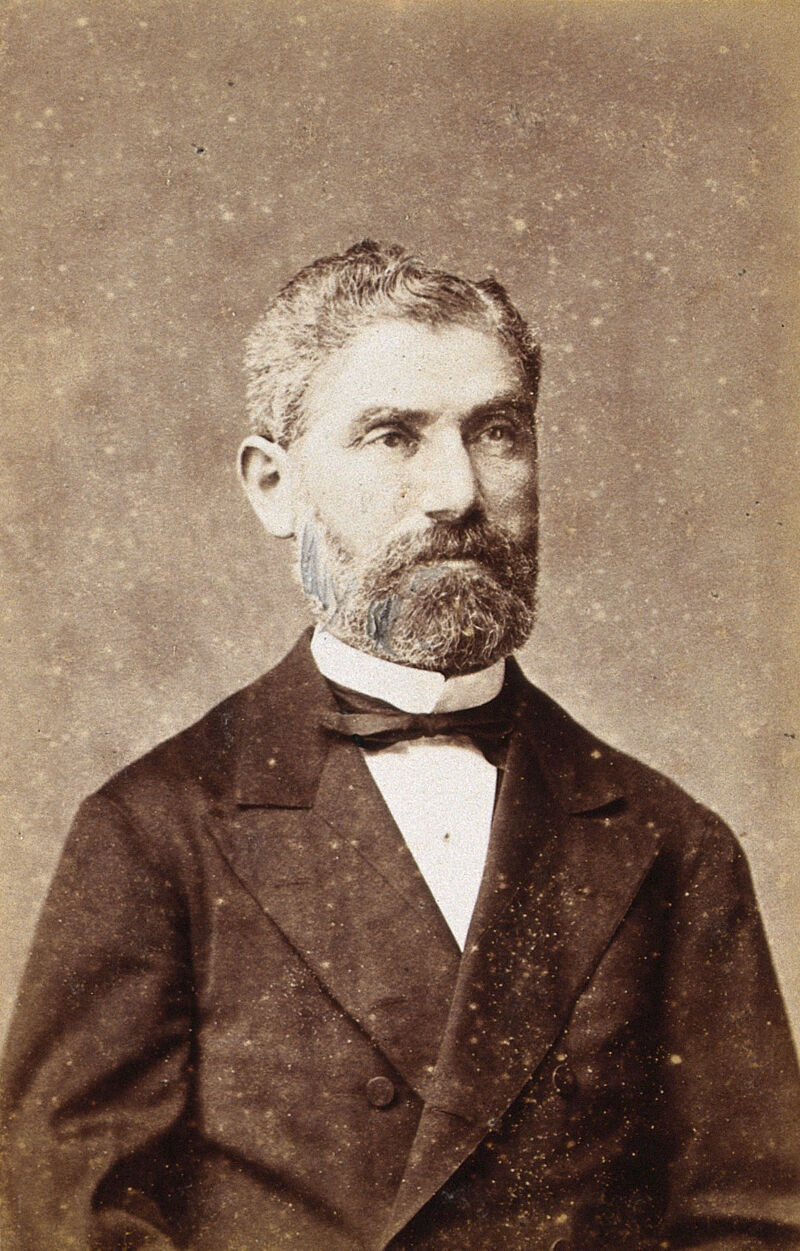
Alois Gruber. Photograph by J. Löwy., by Josef Löwy
Josef Löwy · Wellcome Collection, London · Wellcome Collection
Life and career
Dated record
Life and career
Explore 1834–1902
The full dated record · 3 entries
1834
Josef Löwy born at Bratislava.
1889
Hühnerhof is dated 1889.
1902
Josef Löwy died at Vienna.
Places
Named by the record
Places
Only places the record itself states, plotted where the house gazetteer settles their coordinates. Nothing is inferred from a name or a nationality.
Bratislava.
Birth place
Vienna.
Death place
Awards
• 1873 – Title of Court Photographer (Hofphotograph) (by Emperor Franz Joseph I of Austria)
Literature
* • Welt ausstellen. Herausgeber Technisches Museum Wien, S. 110–111, Beiträge von: Ulrike Felber, Manuela Fellner-Feldhaus und Elke Krasny dt. /engl.,
Notes from the source article
Cited by Wikipedia
Notes from the source article
These works are cited by the source article, in its own numbering. They are recorded as its citations, not as sources VALÉORINE has verified.
- 1.Partezettel. digital.wienbibliothek.at.
- 2.Izumi Omura u. a. (Hrsg.): Familie Marx privat: Die Foto- und Fragebogen-Alben von Marx’ Töchtern Laura und Jenny. Eine kommentierte Faksimileausgabe. Akademie Verlag, Berlin 2005. ISBN 3-05-004118-8. S. 112 f.
- 3.Hermann Vogel (Hrsg.): Photographische Mitteilungen, 10. Jg., 9. Heft, Robert Oppenheim, Berlin, 1974, Personalnachrichten, S. 240.
- 4.Photographische Korrespondenz, 12. Jg., 175, S. 81.
References
Citations
References
Each reference names the institution holding it, so a reader may go to the document itself.
reference work
Wikidata, structured authority record Q1705180: Josef LöwyWikimedia Foundation
Secondary witnessreference work
Secondary witness
The Encyclopedia exists whether or not anything is for sale. Corrections are recorded rather than overwritten, and every version of this record is kept. Published 16 August 2026.
Elsewhere in Photography
11,392 published records in this field, each with its sources named.
- Josef IllíkPhotographer
- Josef Jindřich ŠechtlPhotographer
- Josef KořenskýPhotographer
- Josef KoudelkaPhotographer
- Josef Maria EderPhotographer
- Josef RakoncajPhotographer
- Josef ŠroubekPhotographer
- Josef SudekPhotographer
Best supported in this field
For owners
Own a work by Josef Löwy?
A specialist will read what you send and tell you what the house can establish, what it cannot, and whether the object is suited to sale. There is no charge and no obligation. The object stays with you throughout; nothing is shipped to us unless it is arranged in writing beforehand.