
Hans Weiditz
Illustration — Caricature of dancer and friend Hans Weiditz the Younger, Hans Weiditz der Jüngere, Hans Weiditz II (1495 Freiburg im Breisgau – c. 1537 Bern), was a German Renaissance artist, also known as The Petrarch Master for his woodcuts illustrating Petrarch's De remediis utriusque fortunae, or Remedies for Both Good and Bad Fortune, or Phisicke Against Fortune. He is best known today for his very lively scenes and caricatures of working life and people, many created to illustrate the abstract philosophical maxims of Cicero and Petrarch.
Also recorded as Hans Weidlitz · Hans Wyditz · Hans Wydytz · Hans Weiditz the Younger
Hans Weiditz
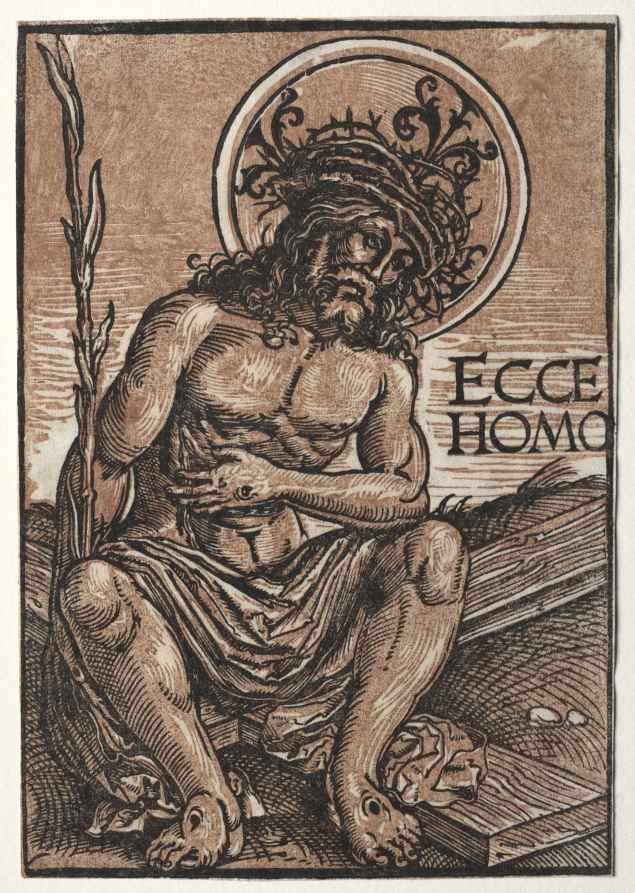
Hans Weiditz · The Cleveland Museum of Art · John L. Severance Fund · CC0
- Born
- Hans Weiditz was born in 1495. · Strasbourg.
- Died
- Hans Weiditz died in 1536. · Freiburg im Breisgau.
- Nationality
- Germany
- Occupation
- artist · illustrator · draftsperson · engraver · xylographer · painter
- Languages
- German
VALÉORINE Encyclopedia
VALÉORINE documentary reading
Documentary summary
Illustration — Caricature of dancer and friend Hans Weiditz the Younger, Hans Weiditz der Jüngere, Hans Weiditz II (1495 Freiburg im Breisgau – c. 1537 Bern), was a German Renaissance artist, also known as The Petrarch Master for his woodcuts illustrating Petrarch's De remediis utriusque fortunae, or Remedies for Both Good and Bad Fortune, or Phisicke Against Fortune. He is best known today for his very lively scenes and caricatures of working life and people, many created to illustrate the abstract philosophical maxims of Cicero and Petrarch.
Admitted source layer · organised and presented by VALÉORINE
Note VALÉORINE
Hans Weiditz was an artist, draftsperson and engraver, among other activities, of German nationality. The artist was born in Strasbourg and died in Freiburg im Breisgau. Hans Weiditz lived in Germany.
Languages used include German. Works are held at Metropolitan Museum of Art, Print Collection and Schnütgen Museum, among others.
Composed from admitted, traceable facts · 01 October 2026
VALÉORINE
Reference Check
Propose documentary evidence for Hans Weiditz. A contribution is never written directly as fact: identity, source, rights and evidence gates still decide.
Sign in to contribute
World of VALÉORINE
Documentary connections
Only confirmed graph relationships appear here. Images are shown only when their identity and reuse rights both pass the documentary gate.
Documentary evidence
Documentary basis
Authority files
wikidata · Q606983 · wikipedia · Hans Weiditz
In this article
Life
Life
Like most artists in woodcut he only designed the woodcuts, leaving the block-cutting to a specialist "Formschneider" (sometimes Jost de Negker in his Augsburg period) who pasted the design to the wood and chiselled the white areas away. The quality of the final woodcuts, which varies considerably, depended on the skill of the cutter as well as the artist. Weiditz was unfortunate in that his publishers went bankrupt part way through the production of his two longest series of woodcuts, and the cutting was later completed by cutters of lower skill.
• Illustration — Cheesemaker and his wife His father, Hans Wydyz or Weiditz the Elder (ca. 1475 Strasbourg - ca. 1516 Strasbourg), worked in Freiburg im Breisgau between 1497 and 1514, and was described as a 'bildhower' or sculptor in the Painters' Guild records. In 1505 he worked on the Dreikönigsaltar in Freiburg Cathedral. Parish records show a 1510 payment to him for carved wooden rosettes on the keystones in the chancel, working with Hans Baldung, the gifted student of Albrecht Dürer. He is not to be confused with the slightly older Strasbourg woodcut artist Hans Wechtlin. Weiditz the Younger, a brother of Christoph Weiditz (1500-1559), was a prominent member of an elite group of woodcut artists including such figures as Albrecht Dürer, Hans Holbein, and Hans Burgkmair, his teacher. He was active in Augsburg between 1512 and 1522, and from 1522 to 1536 in Straßburg, producing woodcuts for book illustrations in the style of Burgkmair. He also produced notable work for an edition of Cicero's popular De Officiis in 1531, for Apuleius' The Golden Ass (1538), and the Comedies of Plautus. He produced the German chiaroscuro woodcut with the most different colour blocks, a seven-block coat of arms of a cardinal, for a book frontispiece of 1520, probably cut by Jost de Negker.
Places
Named by the record
Places
Only places the record itself states, plotted where the house gazetteer settles their coordinates. Nothing is inferred from a name or a nationality.
- Germany
Named but not plotted · 2
Strasbourg.
Birth place
Freiburg im Breisgau.
Death place
Selected books illustrated by Hans Weiditz
• Der Altenn Fechter anfengliche Kunst, Christian Egenolff, (Frankfurt am Main 1529) • Petrarch De remediis utriusque fortunae, or Remedies for Both Good and Bad Fortune, or Phisicke Against Fortune as well prosperous as adverse • The Herbarum vivae eicones (Living plant images), published Strasbourg in three parts between 1530 and 1536—a landmark publication in botanical illustration, by Otto Brunfels
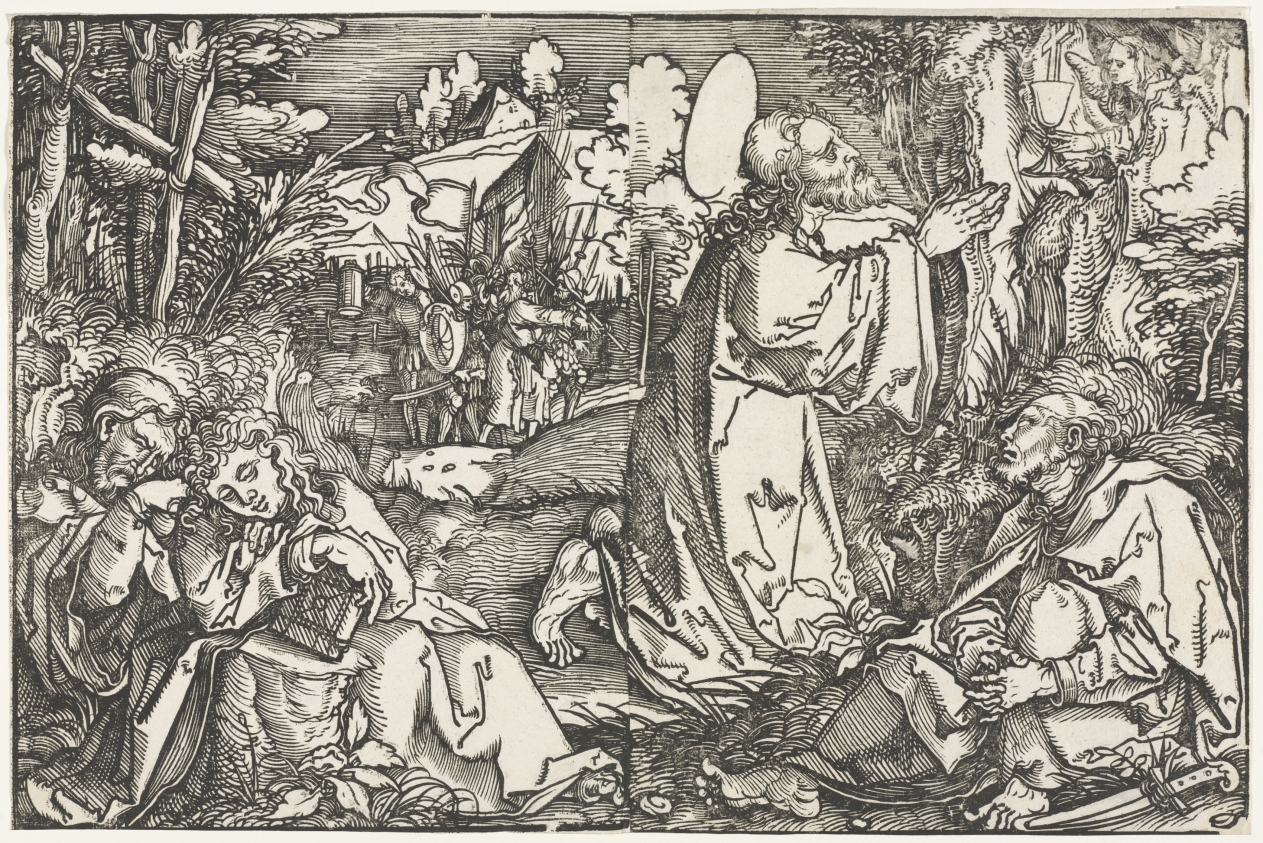
The Agony in the Garden, by Hans Weiditz
Hans Weiditz · The Cleveland Museum of Art · Mr. and Mrs. Charles G. Prasse Collection
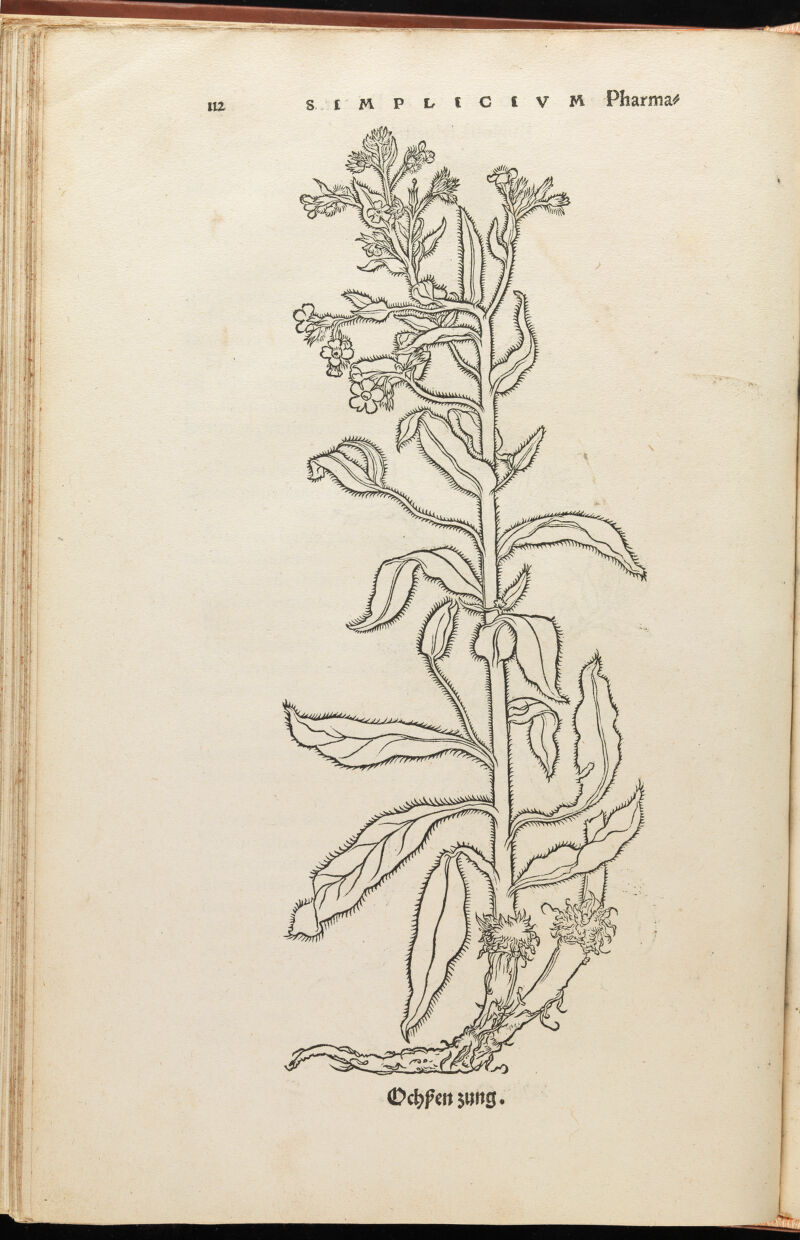
Ochpen Zung, by Hans Weiditz
Hans Weiditz · Wellcome Collection, London · Wellcome Collection
Illustrations for the Herbarum vivae eicones
• Illustration — Plate from Herbarium Vivae Eicones, hand-coloured woodcut The Herbarum vivae eicones (Living plant images), published in Strasbourg in three parts between 1530 and 1536, was a landmark publication in the development of botanical illustration. The text was compiled by Otto Brunfels from earlier writings, but the illustrations by Weiditz represented a novel approach and set a high standard of realism in the portrayal of plants. Weiditz took his plants from nature, often showing the changing appearance with the seasons. His technique was admired and inevitably copied, leading to a copyright infringement lawsuit against the publisher Christian Egenolff.
Primary material
Documents and archives
reference work
- “Hans Weiditz”, English Wikipedia, consulted as further reading
Reputable secondary · Wikipedia
authority record
- Wikidata, structured authority record Q606983: Hans Weiditz
General reference · Wikidata
Notes from the source article
Cited by Wikipedia
Notes from the source article
These works are cited by the source article, in its own numbering. They are recorded as its citations, not as sources VALÉORINE has verified.
- 1.Widi:Lexikon - Computer - Wissens-Portale, Wörterbücher und Lexika - WISSEN DIGITAL
- 2.1 Hans Weiditz Wholesale China Oil Painting & Frame
- 3.Humrich Fine Art
- 4.A Hyatt Mayor, Prints and People, nos. 313-314, Metropolitan Museum of Art/Princeton, 1971,
- 5.Hyatt Major, op cit
- 6.Widi:Lexikon - Computer - Wissens-Portale, Wörterbücher und Lexika - WISSEN DIGITAL
- 7.Bartrum, Giulia; German Renaissance Prints, 1490-1550, p. 162; British Museum Press, 1995,
- 8.Early Herbals.
References
Citations
References
Each reference names the institution holding it, so a reader may go to the document itself.
reference work
Secondary witnessauthority record
General reference
The Encyclopedia exists whether or not anything is for sale. Corrections are recorded rather than overwritten, and every version of this record is kept. Published 16 August 2026.
Elsewhere in Illustration
5,224 published records in this field, each with its sources named.
- Hans TisdallIllustrator
- Hans Ulrich StegerIllustrator
- Hans W. SchmidtIllustrator
- Hans Waldemar WessolowskiIllustrator
- Hans WilhelmIllustrator
- Hans-Peter FeldmannIllustrator
- Hanuš FolkmannIllustrator
- Harald Gustav NilsenIllustrator
Best supported in this field
For owners
Own a work by Hans Weiditz?
A specialist will read what you send and tell you what the house can establish, what it cannot, and whether the object is suited to sale. There is no charge and no obligation. The object stays with you throughout; nothing is shipped to us unless it is arranged in writing beforehand.