
Giovanni da San Giovanni
Giovanni da San Giovanni (20 March 1592 – 9 December 1636), also known as Giovanni Mannozzi, was an Italian painter of the early Baroque period, active in Florence. • Illustration — Self portrait of Giovanni
Also recorded as Giovanni Da San Giovanni Mannozzi · Giovanni Manozzi · Giovanni Mannozi · Giovanni
Giovanni da San Giovanni
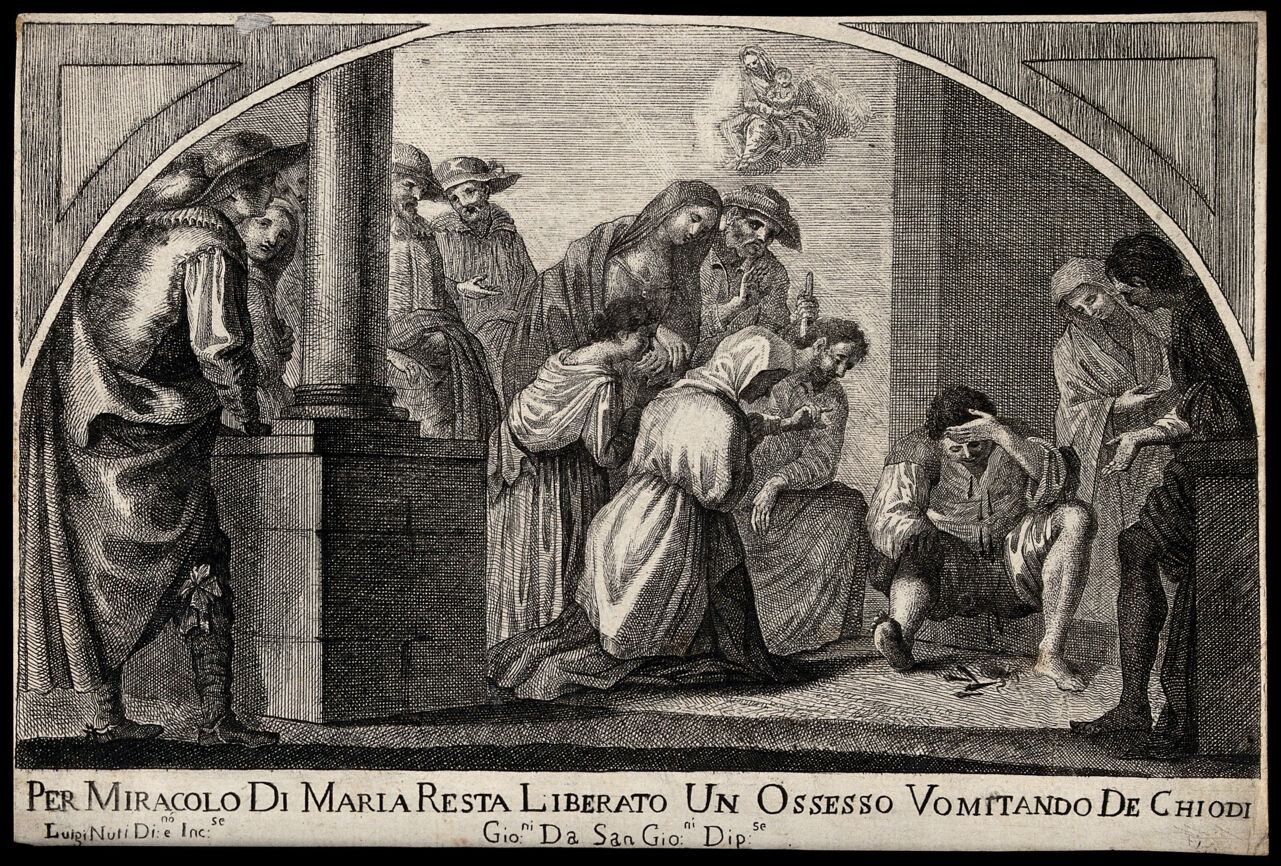
Giovanni da San Giovanni · Wellcome Collection, London · Wellcome Collection · Public Domain Mark
- Born
- 1592 · San Giovanni Valdarno.
- Died
- 1636 · Florence.
- Occupation
- painter · draftsperson
- Known for
- Mythological and Biblical Scenes
- Languages
- Italian
VALÉORINE Encyclopedia
VALÉORINE documentary reading
Documentary summary
Giovanni da San Giovanni (20 March 1592 – 9 December 1636), also known as Giovanni Mannozzi, was an Italian painter of the early Baroque period, active in Florence. • Illustration — Self portrait of Giovanni
Admitted source layer · organised and presented by VALÉORINE
Note VALÉORINE
Giovanni da San Giovanni (1592–1636) was a draftsperson and painter. The draftsperson was born in San Giovanni Valdarno and died in Florence. Giovanni da San Giovanni worked in Florence.
Among the works is Mythological and Biblical Scenes. Languages used include Italian.
Composed from admitted, traceable facts · 01 October 2026
VALÉORINE
Reference Check
Propose documentary evidence for Giovanni da San Giovanni. A contribution is never written directly as fact: identity, source, rights and evidence gates still decide.
Sign in to contribute
Documentary evidence
Documentary basis
Authority files
getty · 500021773 · gnd · 121095576 · wikidata · Q1058463 · wikipedia · Giovanni da San Giovanni
In this article
Biography
Biography
The recorded working language is Italian. Places of work recorded in the authority are Florence. Works named in the authority record are Mythological and Biblical Scenes. Work by Giovanni da San Giovanni is recorded in the collections of Minneapolis Institute of Art, Nationalmuseum, Städel Museum, Philadelphia Museum of Art and Uffizi Gallery.
Born in San Giovanni Valdarno, he trained under Matteo Rosselli. He is also said to have studied architectural perspective from Giulio Parigi. He traveled to Rome where he admired the fresco painted in 1614 by Guido Reni, depicting the Aurora. He was soon called back to Florence. Mannozzi started the decoration of the Sala degli Argenti in the Palazzo Pitti and planned decorations at Villa La Petraia. In 1615 he painted two ceiling canvases of Putti Supporting the profile of Michelangelo for the Casa Buonarroti and in the same period frescoed a choir of musician-angels for the dome of the church of the Ognissanti in Florence. He also painted five lunettes showing scenes from the Life of St Francis in the cloister of the Ognissanti. In 1619–1620 he directed the façade decoration of Palazzo dell'Antella in Piazza Santa Croce of Florence. His masterpiece is said to be frescoes in the chapel of Saint Catherine inside the Palazzo Rospigliosi-Pallavicini in Pistoia. While escaping Florence during the plague, he painted some frescoes in the lunettes in the Santuario della Madonna della Fontenuova in Monsummano Terme. On the left internal wall of the chorus of the church of San Bartolomeo in Cutigliano, is a canvas of Mannozzi's the Circumcision (1620). He painted a fresco cycle on the vault of the Mellini Chapel in Santa Maria del Popolo which displays The Story of Saint Nicholas of Tolentino in 1623–24. He died in 1636 and was buried in the church of San Pier Gattolino in Florence. His biography was featured by Filippo Baldinucci.
Gallery
Gallery
• Illustration — Apollo and Phaëton in the Uffizi Gallery • Illustration — Night, Aurora, and a Cupid (c. 1635) • Illustration — Aurora and Tithonus (c. 1635) • Illustration — St Catherine transported by Angels • Illustration — Venus combing Cupid's Hair • Illustration — Fame showing Wandering Philosopher to Tuscany and Riches • Illustration — Bridal Night • Illustration — St Felix succors St Maximilian (1636) • Illustration — Circumcision of Jesus (c. 1620)
Life and career
Dated record
Life and career
The full dated record · 2 entries
1592
Giovanni da San Giovanni born at San Giovanni Valdarno.
1636
Giovanni da San Giovanni died on 9 December 1636.
Places
Named by the record
Places
Only places the record itself states, plotted where the house gazetteer settles their coordinates. Nothing is inferred from a name or a nationality.
San Giovanni Valdarno.
Birth place
Florence.
Death place
Primary material
Documents and archives
authority file
- Gemeinsame Normdatei 121095576, Giovanni, da San Giovanni.
General reference · Deutsche Nationalbibliothek
- Getty Union List of Artist Names 500021773, Giovanni da San Giovanni.
General reference · The Getty Research Institute
reference work
- “Giovanni da San Giovanni”, English Wikipedia, consulted as further reading
Reputable secondary · Wikipedia
authority record
- Wikidata, structured authority record Q1058463: Giovanni da San Giovanni
General reference · Wikidata
Citations
References
Each reference names the institution holding it, so a reader may go to the document itself.
authority file
Gemeinsame Normdatei 121095576, Giovanni, da San Giovanni.Deutsche Nationalbibliothek
Secondary witnessauthority file
Getty Union List of Artist Names 500021773, Giovanni da San Giovanni.The Getty Research Institute
Secondary witnessreference work
Secondary witnessauthority record
General reference
The Encyclopedia exists whether or not anything is for sale. Corrections are recorded rather than overwritten, and every version of this record is kept. Published 14 August 2026.
Elsewhere in Paintings
19,183 published records in this field, each with its sources named.
- Giovanni d'AlemagnaArtist
- Giovanni da GaetaArtist
- Giovanni da MilanoArtist
- Giovanni da PiamonteArtist
- Giovanni dal PonteArtist
- Giovanni De VecchiArtist
- Giovanni del BiondoArtist
- Giovanni del GiglioArtist
Best supported in this field
For owners
Own a work by Giovanni da San Giovanni?
A specialist will read what you send and tell you what the house can establish, what it cannot, and whether the object is suited to sale. There is no charge and no obligation. The object stays with you throughout; nothing is shipped to us unless it is arranged in writing beforehand.