
Sumiko Fuji
Junko Terashima, known professionally as Sumiko Fuji, is a Japanese actress. She began acting in the 1960s under the name Junko Fuji, becoming famous as the female lead in yakuza films opposite such stars as Kōji Tsuruta and Ken Takakura. She even starred in her own series as the sword-wielding gambler Red Peony in the Hibotan Bakuto series.
Also recorded as Junko Fuji
Sumiko Fuji

東映京都俳優部 · YouTube – View/save archived versions on archive.org · CC BY 3.0
- Name
- Sumiko Fuji
- Birth Name
- Junko Shundo
- Born
- 1 December 1945
- Birthplace
- Gobō, Wakayama, Japan
- Occupation
- Actress
- Spouse
- Onoe Kikugorō VII
- Nationality
- Japan
- Honours
- Medal with Purple Ribbon · Elan d'or Award for Newcomer of the Year · Kinuyo Tanaka Award · Blue Ribbon Awards for Best Supporting Actress · Kikuta Kazuo engeki shō · Mainichi Film Award for Best Actress
- Languages
- Japanese
VALÉORINE Encyclopedia
VALÉORINE documentary reading
Documentary summary
Junko Terashima, known professionally as Sumiko Fuji, is a Japanese actress. She began acting in the 1960s under the name Junko Fuji, becoming famous as the female lead in yakuza films opposite such stars as Kōji Tsuruta and Ken Takakura. She even starred in her own series as the sword-wielding gambler Red Peony in the Hibotan Bakuto series.
Admitted source layer · organised and presented by VALÉORINE
Note VALÉORINE
Sumiko Fuji (born 1945) is a Japanese actress and seiyū. The actress was born in Gobō-shi.
Languages used include Japanese. Sumiko Fuji received Blue Ribbon Awards for Best Supporting Actress, Elan d'or Award for Newcomer of the Year and Kikuta Kazuo engeki shō, among others.
Composed from admitted, traceable facts · 27 September 2026
VALÉORINE
Reference Check
Propose documentary evidence for Sumiko Fuji. A contribution is never written directly as fact: identity, source, rights and evidence gates still decide.
Sign in to contribute
World of VALÉORINE
Documentary connections
Only confirmed graph relationships appear here. Images are shown only when their identity and reuse rights both pass the documentary gate.
Documentary evidence
Documentary basis
Authority files
wikidata · Q3544664 · wikipedia · Sumiko Fuji
In this article
Biography
Biography
Initially retiring in 1972 after getting married, she began appearing on TV in 1974 under her real name. She later returned to films in 1989 using the name Sumiko Fuji, and expanded her acting repertoire. She won the Blue Ribbon Award for best supporting actress in 1999 and 2006. She is married to the kabuki actor Onoe Kikugorō VII and is the mother of the actress Shinobu Terajima and the kabuki actor Onoe Kikugorō VIII.

日本侠客伝シリーズ 第5作『日本侠客伝 雷門の決斗』(1966年9月17日公開) 予告編 での藤純子
東映京都俳優部 · YouTube – View/save archived versions on archive.org
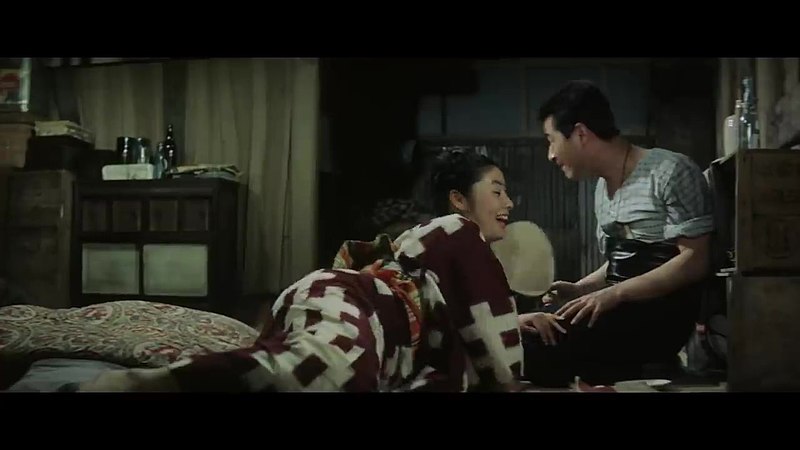
日本侠客伝シリーズ 第3作『日本侠客伝 関東篇』(1965年8月12日公開) 予告編 での藤純子と高倉健
東映京都俳優部 · YouTube – View/save archived versions on archive.org
Key facts
Key facts
• Name — Sumiko Fuji • Native Name — 富司 純子 • Birth Name — Junko Shundo • Born — 1 December 1945 • Birthplace — Gobō, Wakayama, Japan • Other Names — Junko Fuji • Occupation — Actress • Years Active — 1963–present • Spouse — Onoe Kikugorō VII
Early life and career
Early life and career
Fuji was born in Wakayama as the third child and younger daughter of future film producer Koji Shundo. Her family eventually moved to Osaka, where, as a big fan of Takarazuka Revue, Fuji started to attend a dancing, singing and acting school during junior high. At 17 her family moved to Kyoto, shortly after which her and her older sister Nobuko started to appear on the local TV show Hai Hai, Mahinadesu. After visiting Toei's Kyoto studio, Fuji attracted the attention of director Masahiro Makino, who invited her to appear in one of his films. Although Shundo initially opposed his daughter entering show business, wanting a "normal" life for her instead, he acquiesced figuring it would be better she work for Toei instead of their rivals. In 1963, Fuji made her film debut in Makino's Hashu Yukyoden: Otoko no Sakazuki, and went on to appear in 10 movies that year while making regular appearances on NHK and TV Asahi television dramas. Mark Schilling wrote that by the mid-1960s, Fuji was the leading actress for Toei, often playing the love interest for Kōji Tsuruta and Ken Takakura in Ninkyo eiga. But she reached her peak in popularity between 1968 and 1972, starring as a sword-wielding gambler in the Hibotan Bakuto series of films. In 1972, Fuji married a kabuki actor she met while making the NHK drama Minamoto no Yoshitsune. After making Makino's Kanto Hizakura Ikka, she retired from acting that same year. Schilling wrote that the popularity of Ninkyo eiga subsequently declined, and a search for a successor failed.
Television
Television
• Minamoto no Yoshitsune (1966) - Shizuka Gozen • Tobu ga Gotoku (1990) - Tenshōin • Hōjō Tokimune (2001) - Matsushita Zen-ni • Tenchijin (2009) - Kōdai-in Nene • Teppan (2010–2011) • A Day-Off of Ryoma Takeuchi (2020)
Films
• 13 Assassins (1963) • Hashu Yukyoden: Otoko no Sakazuki • Bakumatsu Zankoku Monogatari (幕末残酷物語, 1964) • Onmitsu Kenshi (1964) • Meiji Kyōkaku den: Sandaime Shūme (明治侠客伝三代目襲名, 1965) • Bakuchiuchi Sōcho Tobaku (博奕打ち 総長賭博, 1968) • The Valiant Red Peony (1968) • Jinsei Gekijō: Hishakaku to Kiratsune (人生劇場 飛車角と吉良常, 1968) • Hibotan Bakuto: Hanafuda Shōbu (緋牡丹博徒 花札勝負, 1969) • Shōwa Zankyō den: Shinde Moraimasu (昭和残侠伝 死んで貰います, 1970) • Kanto Hizakura Ikka • Chizuko's Younger Sister (1991) • Wait and See (1998) • The Geisha House (1999) • Milk White (2004) • Hula Girls (2006) • The Inugamis (2006) • Best Wishes for Tomorrow (2008) • Air Doll (2009) • Summer Wars (2009) • Lady Maiko (2014) • April Fools (2015) • A Loving Husband (2017) • Samurai's Promise (2018) • Children of the Sea (2019), Dede (voice) • A Garden of Camellias (2021), Kinuko • DIVOC-12 (2021)
Primary material
Documents and archives
reference work
- “Sumiko Fuji”, English Wikipedia, consulted as further reading
Reputable secondary · Wikipedia
authority record
- Wikidata, structured authority record Q3544664: Sumiko Fuji
General reference · Wikidata
Honours
• Kinuyo Tanaka Award (1999) • Medal with Purple Ribbon (2007) • Order of the Rising Sun, 4th Class, Gold Rays with Rosette (2016)
Notes from the source article
Cited by Wikipedia
Notes from the source article
These works are cited by the source article, in its own numbering. They are recorded as its citations, not as sources VALÉORINE has verified.
- 1.Cinema Hochi. Burū Ribon Shō hisutorī 1999.
- 2.Cinema Hochi. Burū Ribon Shō hisutorī 2006.
- 3.Schilling, Mark. The Yakuza Movie Book : A Guide to Japanese Gangster Films. Stone Bridge Press. 123–125. 2003. 1-880656-76-0.
- 4.Motion Pictures Producers Association. 緋牡丹博徒.
- 5.解夏. eiga.com.
- 6.海獣の子供. eiga.com.
- 7.椿の庭. eiga.com.
- 8.富司純子、藤原季節、蒔田彩珠、中村ゆり、前田敦子ら『DIVOC-12』第1弾キャスト発表. Real Sound. 30 April 2021.
- 9.富司純子. NHK.
- 10.北条時宗. Haiyaku Jiten.
- 11.田中絹代賞とは. Tanaka Kinuyo Memorial Association.
References
Citations
References
Each reference names the institution holding it, so a reader may go to the document itself.
reference work
Secondary witnessauthority record
General reference
The Encyclopedia exists whether or not anything is for sale. Corrections are recorded rather than overwritten, and every version of this record is kept. Published 18 August 2026.
Elsewhere in Film memorabilia
37,604 published records in this field, each with its sources named.
- Sumana KitturPerson
- SumanthPerson
- Sumeet SaigalPerson
- Sumeet VyasPerson
- Sumire MorohoshiPerson
- Sumire SatōPerson
- SumithraPerson
- Sumitra PeriesPerson
Best supported in this field
For owners
Own a work by Sumiko Fuji?
A specialist will read what you send and tell you what the house can establish, what it cannot, and whether the object is suited to sale. There is no charge and no obligation. The object stays with you throughout; nothing is shipped to us unless it is arranged in writing beforehand.