
Siebe Johannes ten Cate
Illustration — Self-portrait (c.1900) Siebe Johannes ten Cate (27 February 1858, Sneek – 9 December 1908, Paris) was a Dutch-Frisian painter in the Impressionist style, who spent most of his working life in France.
Also recorded as S.J. ten Cate · Siebe J. ten Cate · Siebe ten Cate
Siebe Johannes ten Cate
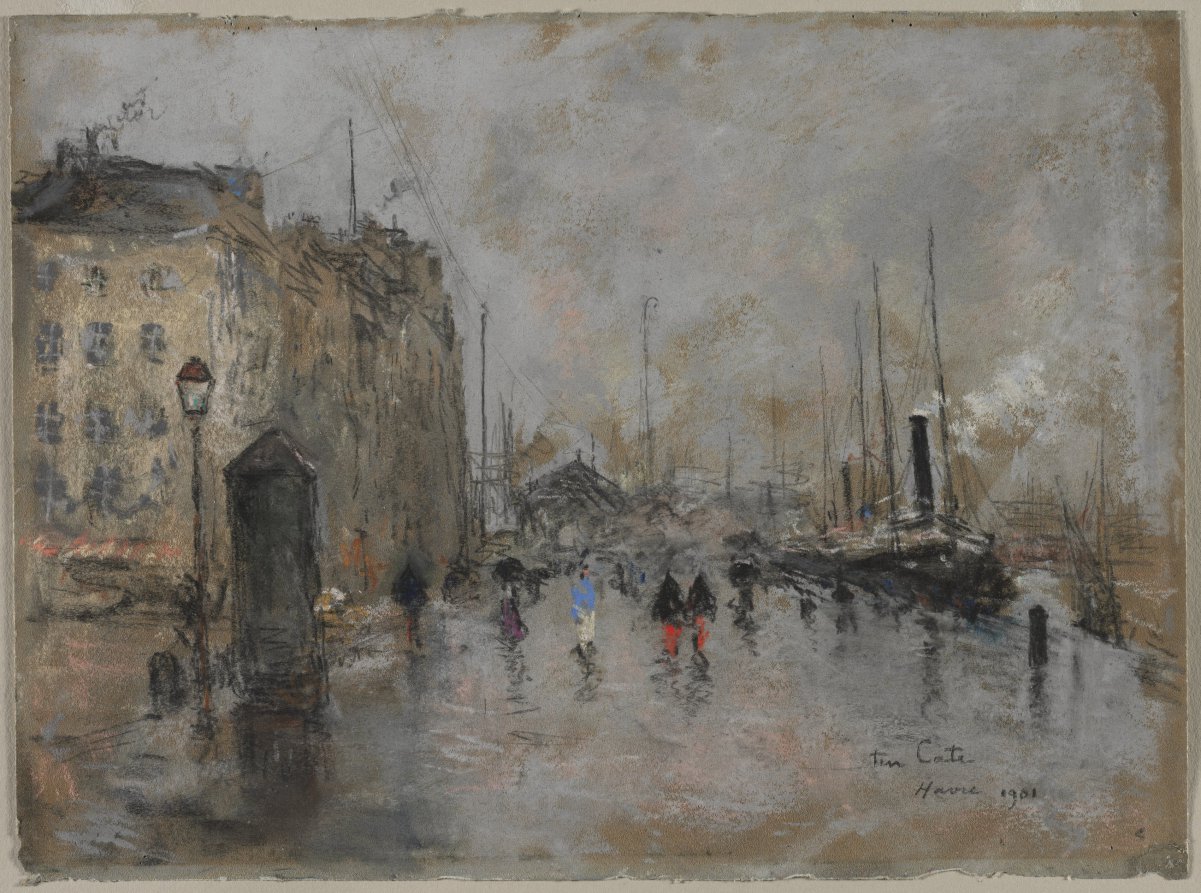
Siebe Johannes ten Cate · The Cleveland Museum of Art · Gift of Mrs. A. Dean Perry in memory of Mr. and Mrs. Edward Belden Greene · CC0
- Born
- 1858. · Sneek.
- Died
- 1908. · Paris.
- Nationality
- Kingdom of the Netherlands.
- Education
- Rijksakademie van beeldende kunsten.
- Known for
- Market in Beauvais and A View of Dordrecht in Winter.
- Languages
- Dutch.
VALÉORINE Encyclopedia
VALÉORINE documentary reading
Documentary summary
Illustration — Self-portrait (c.1900) Siebe Johannes ten Cate (27 February 1858, Sneek – 9 December 1908, Paris) was a Dutch-Frisian painter in the Impressionist style, who spent most of his working life in France.
Admitted source layer · organised and presented by VALÉORINE
Reference Check
Propose documentary evidence for Siebe Johannes ten Cate. A contribution is never written directly as fact: identity, source, rights and evidence gates still decide.
Sign in to contribute
World of VALÉORINE
Documentary connections
Only confirmed graph relationships appear here. Images are shown only when their identity and reuse rights both pass the documentary gate.

Documentary evidence
Documentary basis
Authority files
wikidata · Q13137792 · wikipedia · Siebe Johannes ten Cate
In this article
Biography
Biography
Siebe Johannes ten Cate studied at Rijksakademie van beeldende kunsten. The recorded working language is Dutch. Places of work recorded in the authority are Antwerp, Paris and United States. Works named in the authority record are Market in Beauvais and A View of Dordrecht in Winter. Work by Siebe Johannes ten Cate is recorded in the collections of Finnish National Gallery, Royal Museum of Fine Arts Antwerp, Rijksmuseum, Musée d'Orsay and Musée Carnavalet.
His father was Jan ten Cate, a tanner who entered politics and became the Mayor of Sneek. His grandfather, Steven ten Cate also served as Mayor. He studied at the Rijksakademie and, after graduating, continued his studies in Antwerp and Brussels. At the age of twenty-two, he settled in Paris and opened his own studio. Soon, he found himself influenced by impressionism. He also became a friend of Kees van Dongen and the two briefly shared a home in Montmartre in 1897. Van Gogh was an acquaintance and described Ten Cate as "a very neat man, completely dressed in black cloth", and not at all like a typical poor artist. He exhibited frequently, notably at the Salon d'Automne, but his works were not as well appreciated in the Netherlands as in France so, although he made numerous visits, he never returned there. He made frequent trips for inspiration, visiting England, Scandinavia, Switzerland, North Africa and North America. His favorite subjects were landscapes, city and harbor views, often populated with figures. Le Havre was one of his favorite locations. He also made some etchings and lithographs. He died on a Paris street from a sudden attack of "congestion". Later, there would be unsubstantiated rumors that he died of starvation, or was shot by a rival artist. For many years, his work was neglected in the Netherlands. A major retrospective was held at the Fries Scheepvaart Museum in 2012.
Places
Named by the record
Places
Only places the record itself states, plotted where the house gazetteer settles their coordinates. Nothing is inferred from a name or a nationality.
Sneek.
Birth place
Paris.
Death place
Selected paintings
• Illustration — The Pont Neuf • Illustration — The Pont Royal at Sunset • Illustration — On the Quay at Le Havre • Illustration — Street Scene near Notre Dame
Primary material
Documents and archives
reference work
- “Siebe Johannes ten Cate”, English Wikipedia, consulted as further reading
Reputable secondary · Wikipedia
authority record
- Wikidata, structured authority record Q13137792: Siebe Johannes ten Cate
General reference · Wikidata
Notes from the source article
Cited by Wikipedia
Notes from the source article
These works are cited by the source article, in its own numbering. They are recorded as its citations, not as sources VALÉORINE has verified.
- 1.Biography and appreciation @ Reformatorisch Dagblad.
- 2.Brief biography @ the Fries Scheepvaart Museum.
Bibliography printed in the source article · 1
References
Citations
References
Each reference names the institution holding it, so a reader may go to the document itself.
reference work
Secondary witnessauthority record
General reference
People, houses and institutions
Knowledge graph
People, houses and institutions
Teachers, collaborators, publishers and institutions recorded against this person, each on a stated basis.
Died at
1- ParisPlace
Established from a fact already recorded on a verified source.
The Encyclopedia exists whether or not anything is for sale. Corrections are recorded rather than overwritten, and every version of this record is kept. Published 19 August 2026.
Elsewhere in Paintings
19,183 published records in this field, each with its sources named.
- SidharthArtist
- Sidney Richard PercyArtist
- Sidney StarrArtist
- Sidney TillimArtist
- Siegfried Adolf KummerArtist
- Siegfried Detlev BendixenArtist
- Siegfried L. KratochwilArtist
- Siegmund l'AllemandArtist
Best supported in this field
For owners
Own a work by Siebe Johannes ten Cate?
A specialist will read what you send and tell you what the house can establish, what it cannot, and whether the object is suited to sale. There is no charge and no obligation. The object stays with you throughout; nothing is shipped to us unless it is arranged in writing beforehand.