
Norfolk
Norfolk is a ceremonial county in England, located in the East of England and East Anglia. It borders Lincolnshire and The Wash to the north-west, the North Sea to the north and east, Cambridgeshire to the west, and Suffolk to the south. The largest settlement is the city of Norwich.
Encyclopédie VALÉORINE
Le dossier documentaire
Chaque énoncé est lu dans les notices d’autorité des institutions nommées. Choisissez « Preuve » à côté d’un énoncé pour voir la notice d’où il est tiré, l’endroit précis et la date de lecture.
Norfolk est un lieu figurant dans les notices d'autorité de la Getty Thesaurus of Geographic Names.
Classement
Les notices d'autorité de la Getty Thesaurus of Geographic Names enregistrent Norfolk comme « agricultural centers (inhabited places) », « first level subdivisions (political entities) », « Paleolithic », « Mesolithic », « second level subdivisions (political entities) », « Neolithic », centre industriel et « counties ». Les notices d'autorité de la Getty Thesaurus of Geographic Names enregistrent England comme unité administrative de Norfolk.
Institutions citées
Getty Thesaurus of Geographic Names
Chaîne de lecture complète (JSON)Reference Check
Propose documentary evidence for Norfolk. A contribution is never written directly as fact: identity, source, rights and evidence gates still decide.
Sign in to contribute
World of VALÉORINE
Documentary connections
Only confirmed graph relationships appear here. Images are shown only when their identity and reuse rights both pass the documentary gate.

Born In · incoming
Ada Cambridge
Author
National Library of Australia : [1] Published in The Herald , 20 February 1912: [2]
Died In · incoming
Albert Evans
Engraver

Born In · incoming
Andrew Fountaine
Designer
https://www.metmuseum.org/art/collection/search/230968
Born In · incoming
Bernard Johnson
Person

Born In · incoming
Beth Orton
Person
https://www.flickr.com/photos/simonfernandez/3731323565/
Born In · incoming
Frank Wilson
Person

Died In · incoming
Frederick William Frohawk
Artist
Walsingham, Thomas de Grey 1891a. African Micro-Lepidoptera. - Transactions of the entomological Society of London 1891(1):63–132, pls. 3–7
Born In · incoming
Frederick William Frohawk
Artist
Walsingham, Thomas de Grey 1891a. African Micro-Lepidoptera. - Transactions of the entomological Society of London 1891(1):63–132, pls. 3–7

Born In · incoming
Guy Dawber
Designer
http://www.ebay.co.uk/itm/1885-Outwell-Norfolk-Beaupre-Hall-Eg-Dawber-Artwork-/231108644136?pt=UK_art_prints_GL hash=item35cf260d28

Died In · incoming
Ivor Roberts-Jones
Artist
Own work

Born In · incoming
John Emms
Artist
John Emms - St. Bernards - To The Rescue
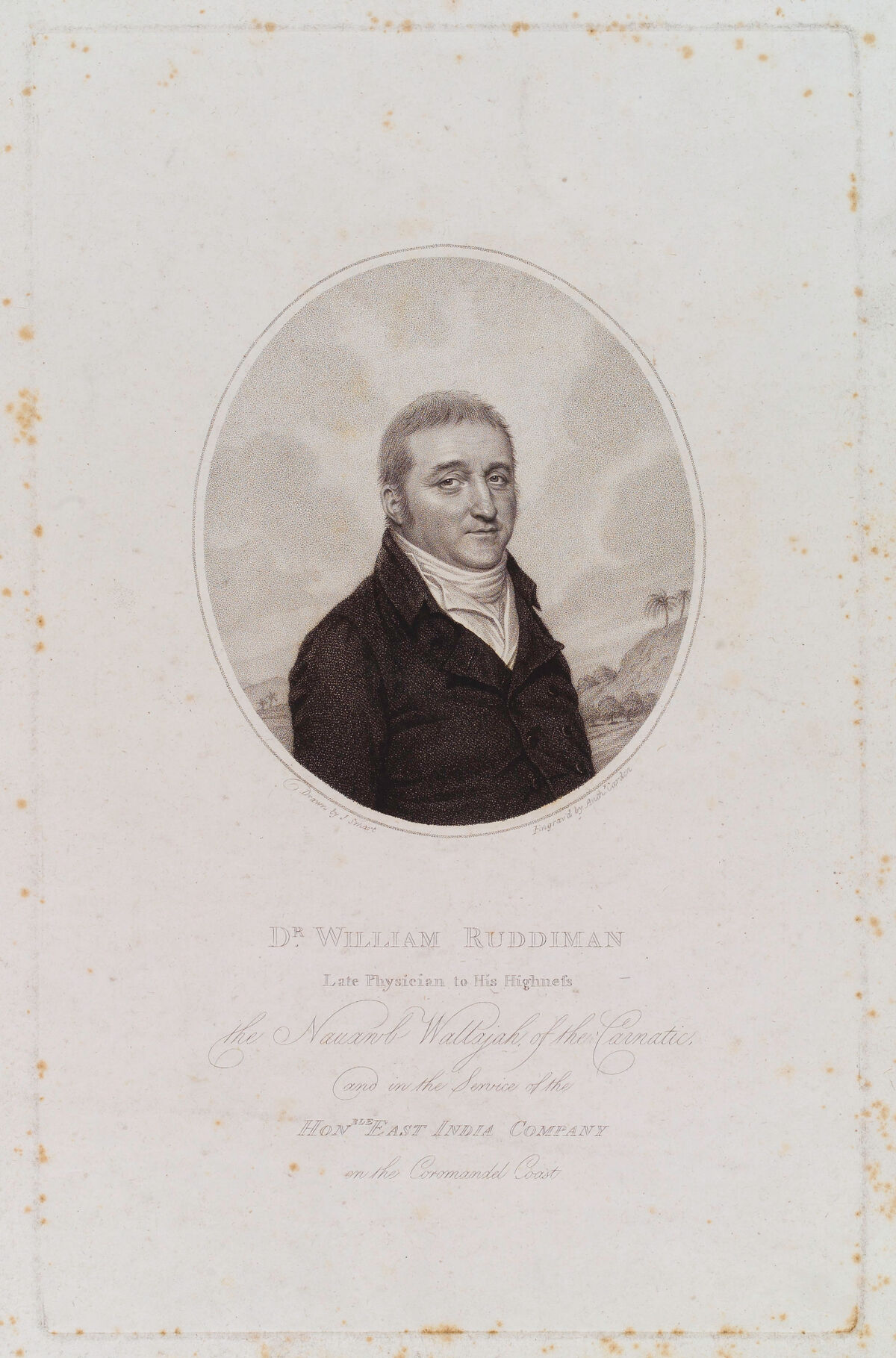
Born In · incoming
John Smart
Artist
Wellcome Collection

Died In · incoming
Keith Levene
Person
Own work

Born In · incoming
Liza Ryan
Photographer
Own work

Died In · incoming
Madeline Green
Artist
Own work
Born In · incoming
Mal Peet
Illustrator
In this article
Overview
Overview
The county has an area of and had an estimated population of in. It is predominantly rural. Norwich is in the centre-east of the county, and its other principal settlements include Great Yarmouth on the east coast, Thetford in the south, and King's Lynn in the north-west. For local government purposes Norfolk is a non-metropolitan county with seven districts. The centre of Norfolk is gently undulating lowland. To the east are the northern half of the Broads, a network of rivers and lakes which extend into Suffolk and have a similar status to a national park. The west of the county contains part of the Fens, and to the south is part of Thetford Forest. The geology of the county includes clay and chalk deposits, which make its coast susceptible to erosion; the northern coast has been designated a national landscape. There is evidence of Prehistoric settlement in Norfolk. In the Roman era the region was home to the Iceni, whose leader Boudica led a major revolt in AD60. The Angles settled the area in the 5th century, after which it became part of the Kingdom of East Anglia. During the later Middle Ages the county was prosperous and heavily involved in the wool trade; this allowed the construction of many large churches. In 1549 Norfolk was the scene of Kett's Rebellion, which unsuccessfully protested the enclosure of land. The county was not heavily industrialised during the Industrial Revolution, and Norwich lost its status as one of England's largest cities. The contemporary economy is largely based on agriculture and tourism.
Key facts
Key facts
• Official Name — Norfolk • Region — East of England • Established Date — Anglo-Saxon period • Lord Lieutenant Office — Lord Lieutenant of Norfolk • Lord Lieutenant Name — The Lady Dannatt • High Sheriff Office — High Sheriff of Norfolk • Ethnicity — 96.5% White • County Council — Norfolk County Council • Admin Hq — Norwich • Area Council Km2 — 5372 • Iso Code — GB-NFK • Gss Code — E10000020 • Nuts Code — TLH13 • Mps — 10 MPs • Police — Norfolk Constabulary • Website — norfolk.gov.uk
History
History
The area that was to become Norfolk was settled in pre-Roman times (there were Palaeolithic settlers as early as 950,000 years ago), with camps along the higher land in the west, where flints could be quarried. A Brittonic tribe, the Iceni, emerged in the 1st century BC. The Iceni revolted against the Roman invasion in AD 47, and again in 60 led by Boudica. The crushing of the second rebellion opened the area to the Romans. During the Roman era roads and ports were constructed throughout the area and farming was widespread. Situated on the east coast, the homelands of the Iceni were vulnerable to attacks from continental Europe and other parts of Britain, and forts were built to defend against raids by the Saxons and the Picts. A period of depopulation, which may have been due to these threats, seems to have followed the departure of the Romans. Soon afterward, Germanic peoples from the North Sea area settled in the region. Though they became known as Angles, they were likely not affiliated to any tribe in particular at the time of their migration. It is thought that the settlement here was early (possibly beginning at the start of the fifth century, thereby preceding the alleged date of Hengist and Horsa's arrival in Kent) and that it occurred on a large scale. By the 5th century, the Angles had established control over the region. They later became known as the "north folk" and the "south folk," giving rise to the names "Norfolk" and "Suffolk." Norfolk, Suffolk, and nearby territories formed the Kingdom of East Anglia, one of the Anglo-Saxon heptarchy, which was later incorporated into Mercia and subsequently into Wessex. The influence of the early English settlers is evident in numerous place names ending in "-ham," "-ingham," and "-ton." Place-name endings such as "-by" and "-thorpe" are also common and indicate Danish origins; during the 9th century, the region was subject to Danish attacks, during which King Edmund the Martyr was killed. Additionally, several place names in the Fenland area contain Celtic elements, which some scholars interpret as evidence of a significant Brittonic population in the region. In the centuries before the Norman Conquest the wetlands of the east of the county began to be converted to farmland, and settlements grew in these areas. Migration into East Anglia must have been high: by the time of the Domesday Book survey it was one of the most densely populated parts of the British Isles. During the high and late Middle Ages the county developed arable agriculture and woollen industries. Norfolk's prosperity at that time is evident from the county's large number of medieval churches: out of an original total of over one thousand some 659 have survived, more than in any other county in Britain and the greatest concentration in the world. The economy was in decline by the time of the Black Death, which dramatically reduced the population in 1349. Kett's Rebellion occurred in Norfolk during the reign of Edward VI, largely in response to the enclosure of land by landlords, leaving peasants with nowhere to graze their animals, and to the general abuses of power by the nobility. It was led by Robert Kett, a yeoman farmer, who was joined by recruits from Norwich and the surrounding countryside. His group numbered some 16,000 by the time the rebels stormed Norwich on 29 July 1549 and took the city. Kett's rebellion ended on 27 August when the rebels were defeated by an army under the leadership of John Dudley, 1st Duke of Northumberland at the Battle of Dussindale. Some 3,000 rebels were killed. Kett was captured, held in the Tower of London, tried for treason, and hanged from the walls of Norwich Castle. By the late 16th century Norwich had grown to become the second-largest city in England, but over one-third of its population died in the plague epidemic of 1579, and in 1665 the Great Plague again killed around one-third of the population. During the English Civil War Norfolk was largely Parliamentarian. The economy and agriculture of the region declined somewhat. During the Industrial Revolution Norfolk developed little industry, except in Norwich, which was a late addition to the railway network. Early military units included the Norfolk Militia. The local British Army regiments included the Royal Norfolk Regiment (now the Royal Anglian Regiment) and the Norfolk Yeomanry. In the 20th century the county developed a role in aviation. The first development in airfields came with the First World War; there was then a massive expansion during the Second World War with the growth of the Royal Air Force and the influx of the American USAAF 8th Air Force which operated from many Norfolk airfields. During the Second World War agriculture rapidly intensified, and it has remained very intensive since, with the establishment of large fields for growing cereals and oilseed rape.
Economy and industry
Economy and industry
As of 1998 Norfolk had a gross domestic product (GDP) of £9,319 million, which represents 1.5% of England's economy and 1.25% of the United Kingdom's economy. The GDP per head was £11,825, compared to £13,635 for East Anglia, £12,845 for England and £12,438 for the United Kingdom. In 1999–2000 the county had an unemployment rate of 5.6%, compared to 5.8% for England and 6.0% for the UK. Data from 2017 gave the median hourly gross pay as £12.17 and the median weekly pay as £496.80; on a per year basis, the median gross income was £25,458. The employment rate among persons aged 16 to 64 was 74.2% while the unemployment rate was 4.6%. The Norfolk economy was "treading water with manufacturing sales and recruitment remaining static in the first quarter of the year" according to research published in April 2018. A spokesperson for the Norfolk Chamber of Commerce commented: "At a time when Norfolk firms face steep up-front costs, the apprenticeship system is in crisis, roads are being allowed to crumble, mobile phone and broadband 'not-spots' are multiplying, it's obvious that the key to improved productivity and competitiveness lies in getting the basics right". The solution was seen as a need for the UK government to provide "a far stronger domestic economic agenda... to fix the fundamentals needed for business to thrive here..." As of 2017, tourism was adding £3.25 billion to the economy per year and supported some 65,000 jobs, being the fifth most important employment in Norfolk. The visitor economy had increased in value by more than £500 million since 2012. Important business sectors also include energy (oil, gas and renewables), advanced engineering and manufacturing, and food and farming. Much of Norfolk's fairly flat and fertile land has been drained for use as arable land. The principal arable crops are sugar beet, wheat, barley (for brewing) and oil seed rape. The county also boasts a saffron grower. As of 2006, over 20% of employment in the county was in the agricultural and food industries. Well-known companies in Norfolk are Aviva (formerly Norwich Union), Colman's (part of Unilever), Lotus Cars and Bernard Matthews Farms. The Construction Industry Training Board is based on the former airfield of RAF Bircham Newton. Brewer Greene King, food producer Cranswick and feed supplier ForFarmers were seeing growth in 2016–2017. A local enterprise partnership was being established by business leaders to help grow jobs across Norfolk and Suffolk. They secured an enterprise zone to help grow businesses in the energy sector, and established the two counties as a centre for growing services and products for the green economy. To help local industry in Norwich, the local council offered a wireless internet service, but this was subsequently withdrawn as funding had ceased. The fishery business still continued in 2018, with individuals such as John Lee, a fifth generation crabman, who sells Cromer Crabs to eateries such as M Restaurants and the Blueprint Café. The problem that he has found is attracting young people to this small industry which calls for working many hours per week during the season. Lobster trapping also continued in North Norfolk, around Sheringham and Cromer, for example.
Management of the shoreline
Management of the shoreline
Norfolk's low-lying land and easily eroded cliffs, many of which are composed of chalk and clay, make it vulnerable to weathering by the sea. The most recent major erosion event occurred during the North Sea flood of 1953. The low-lying section of coast between Kelling and Lowestoft Ness in Suffolk is currently managed by the Environment Agency to protect the Broads from sea flooding. Management policy for the North Norfolk coastline is described in the "North Norfolk Shoreline Management Plan" published in 2006, but has yet to be accepted by local authorities. The Shoreline Management Plan states that the stretch of coast will be protected for at least another 50 years, but that in the event of sea level rise and post-glacial lowering of land levels in the South East, there may a need for further research to inform future management decisions, including the possibility that the sea defences may have to be realigned to a more sustainable position. Natural England have contributed some research into the impacts on the environment of various realignment options. The draft report of their research was leaked to the press, who created great anxiety by reporting that Natural England plan to abandon a large section of the Norfolk Broads, villages and farmland to the sea to save the rest of the Norfolk coastline from the impact of any adverse climate change.
Television
Television
Most of the county is covered by BBC East and ITV Anglia, which both broadcast from Norwich. Television signals for the majority of this area are received from the Tacolneston transmitting station. The far western parts of the county, including Downham Market is covered by the Sandy Heath transmitting station. Some of the northern parts of Norfolk including Hunstanton and Blakeney are covered by BBC Yorkshire and Lincolnshire transmissions from the Belmont transmitting station, broadcasting from Hull, and ITV Yorkshire, which broadcast from Leeds.
Radio
Radio
BBC Local Radio for the county is served by BBC Radio Norfolk. County-wide commercial radio stations are Heart East, Greatest Hits Radio East and Amber Radio. Community based stations are Future Radio (serving Norwich), Harbour Radio (for Great Yarmouth), KL1 Radio (covering North West Norfolk) and Poppyland Community Radio (serving North Norfolk).
Newspapers
Newspapers
Norfolk is served by these local newspapers: • Eastern Daily Press (county-wide) • Norwich Evening News (Norwich) • Great Yarmouth Mercury (Great Yarmouth) • Lynn News (King's Lynn and Hunstanton) • Diss Express (Diss) • North Norfolk News (North Norfolk)
Primary and secondary education
Primary and secondary education
Before 2011, Norfolk had a completely comprehensive state education or "maintained" system managed by Norfolk County Council, with secondary school age from 11 to 16 or in some schools with sixth forms, 18 years old. Since then, a number of schools formerly in the maintained system have left it to become academies, or members of academy groups. Others have become free schools. Both academies and free schools are still publicly funded by the Department of Education but are not with county council management. In many of the rural areas, there is no nearby sixth form, and so sixth form colleges are found in larger towns. There are twelve private schools, including Gresham's School in Holt in the north of the county, Thetford Grammar School in Thetford, which is Britain's fifth oldest extant school, Langley School in Loddon, and several in the city of Norwich, including Norwich School and Norwich High School for Girls. The King's Lynn district has the largest school population. Norfolk is also home to Wymondham College, the UK's largest remaining state boarding school.
Tertiary education
Tertiary education
The University of East Anglia is located on the outskirts of Norwich, and Norwich University of the Arts is based in seven buildings in and around St George's Street in the city centre, next to the River Wensum. The City College Norwich and the College of West Anglia are colleges covering Norwich and King's Lynn as well as Norfolk as a whole. Easton & Otley College, west of Norwich, provides agriculture-based courses for the county, parts of Suffolk, and nationally. The University of Suffolk also runs higher education courses in Norfolk, from multiple locations including Great Yarmouth College.
Local
Local
• Illustration — The coat of arms of Norfolk County Council Norfolk County Council provides county-level local government functions across Norfolk. District-level functions are performed by the councils of Norfolk's seven districts: Breckland, Broadland, Great Yarmouth, King's Lynn and West Norfolk, North Norfolk, Norwich and South Norfolk. Below the district councils, the majority of the county is divided into parish and town councils, the lowest tier of local government (the only exceptions being parts of Norwich and King's Lynn urban areas).
National
National
The county is divided into ten parliamentary constituencies, with Waveney Valley straddling the border with Suffolk: • Constituency — Elected in 2024 — Party • Broadland and Fakenham — |Jerome Mayhew — Conservative Party (UK) • Great Yarmouth — |Rupert Lowe — Restore Britain • Norwich North — |Alice Macdonald — Labour Party (UK) • Norwich South — |Clive Lewis — Labour Party (UK) • North Norfolk — |Steffan Aquarone — Liberal Democrats (UK) • South Norfolk — |Ben Goldsborough — Labour Party (UK) • Mid Norfolk — |George Freeman — Conservative Party (UK) • North West Norfolk — |James Wild — Conservative Party (UK) • South West Norfolk — |Terry Jermy — Labour Party (UK) • Waveney Valley — |Adrian Ramsay — Green Party of England and Wales In the 1945 United Kingdom general election, all seats in Norfolk were won by the Labour Party and the National Liberal Party. In the 2010 general election seven seats were held by the Conservatives and two by the Liberal Democrats. The Labour Party no longer held the urban constituencies they once held in Norwich North and Great Yarmouth, leaving them with no MPs in the whole of East Anglia; the former Labour Home Secretary Charles Clarke was a high level casualty of that election. In the 2015 general election seven seats were won by the Conservative Party, with Labour winning Norwich South and the Liberal Democrats winning North Norfolk. In the 2017 general election the 2015 result was repeated. In the 2024 general election, Norfolk became the only county in the United Kingdom to be represented by MPs from five different parties.
Norwich unitary authority dispute (2006–2010)
Upcoming local government reorganisation
Upcoming local government reorganisation
In March 2026, the government announced local government reorganisation plans, which would have seen local government across Norfolk reorganised in 2028 into three unitary authorities. These proposals were withdrawn in September 2026. Separate proposals for a new Norfolk and Suffolk Combined County Authority covering Norfolk and Suffolk remain under consideration.
Emergency services
Emergency services
• Norfolk Fire and Rescue Service • East of England Ambulance Service • East Anglian Air Ambulance • Norfolk Constabulary • British Transport Police • HM Coastguard
Settlements
Settlements
• Illustration — Flag of Norwich Norfolk's county town and only city is Norwich, one of the largest settlements in England during the Norman era. Norwich is home to the University of East Anglia, and is the county's main business and culture centre. Other principal towns include the port town of King's Lynn and the seaside resort and Broads gateway town of Great Yarmouth. Based on the 2011 census the county's largest centres of population are: Norwich (213,166), Great Yarmouth (63,434), King's Lynn (46,093), Thetford (24,883), Dereham (20,651), Wymondham (13,587), North Walsham (12,463), Attleborough (10,549), Downham Market (9,994), Diss (9,829), Fakenham (8,285), Cromer (7,749), Sheringham (7,367) and Swaffham (7,258). There are also several smaller market towns: Aylsham (6,016), Harleston (4,458) and Holt (3,810). Much of the county remains rural in nature and Norfolk is believed to have around 200 lost settlements which have been largely or totally depopulated since the medieval period. These include places lost to coastal erosion, agricultural enclosure, depopulation and the establishment of the Stanford Training Area in 1940.
Roads
Roads
Norfolk is one of the few counties in England that does not have a motorway. The A11 connects Norfolk to Cambridge and London, via the M11. From the west, there are only two routes from Norfolk that provide a direct link with the A1: the A47 to the East Midlands and Birmingham, via Peterborough, and the A17 to the East Midlands, via Lincolnshire. These two routes both meet at King's Lynn, which is also the starting point of the A10, providing West Norfolk with a direct link with London, via Ely, Cambridge and Hertford.
Railways
Railways
• Illustration — Norwich railway station • Illustration — Holt railway station There are two main railway lines that link Norfolk with London. The Great Eastern Main Line hosts inter-city services from to London Liverpool Street, via and. The Fen line provides regular services between and London King's Cross, via and. In addition, the Breckland line provides access from Norwich and to destinations to the west including, and.
Air
Air
Norwich Airport provides flights to various European destinations, including a link to Amsterdam Airport Schiphol which offers onward flights throughout the world.
Dialect, accent and nickname
Dialect, accent and nickname
The Norfolk dialect, sometimes referred to as "Broad Norfolk," has gradually declined over the modern era. Much of its distinctive vocabulary and many traditional phrases have disappeared due to factors such as the influence of radio, television, and migration from other parts of the country. Today, Norfolk speech is often regarded more as a regional accent than a separate dialect, although it retains some distinctive grammatical features. People from Norfolk are sometimes known as Norfolk Dumplings, an allusion to the flour dumplings that were traditionally a significant part of the local diet. More cutting, perhaps, was the alleged pejorative medical slang term "normal for Norfolk", alluding to the county's perceived status as a quirky rustic backwater due to a high level of inbreeding among residents.
Tourism
Tourism
Norfolk is a popular tourist destination and has several major holiday attractions. There are many seaside resorts, including some of the finest British beaches, such as those at Great Yarmouth, Cromer and Holkham. Norfolk contains the Broads and other areas of outstanding natural beauty and many areas of the coast are wild bird sanctuaries and reserves with some areas designated as protected landscapes such as the Norfolk Coast AONB. • Illustration — Elm Hill in the historic city of Norwich • Illustration — The Norfolk Coast in the little village of Mundesley near Cromer • Illustration — The bridge at Wroxham • Illustration — The beach at Holkham National Nature Reserve Charles III's residence at Sandringham House in Sandringham provides a year-round tourist attraction whilst the coast and some rural areas are popular locations for people from the conurbations to purchase weekend holiday homes. Arthur Conan Doyle first conceived the idea for The Hound of the Baskervilles whilst holidaying in Cromer with Bertram Fletcher Robinson, after hearing local folklore tales regarding the mysterious hound known as Black Shuck.
Amusement parks and zoos
Amusement parks and zoos
Norfolk has several amusement parks and zoos. • Thrigby Hall near Great Yarmouth was built in 1736 by Joshua Smith Esquire and features a zoo which houses a large tiger enclosure, primate enclosures and the swamp house which has many crocodiles and alligators. • Holkham Hall is an 18th-century stately home and visitor attraction, constructed in the Palladian style and at the centre of a 3,000-acre deer park on the North Norfolk coast with a woodland play area, walled garden and farming exhibition. • Roarr! Dinosaur Adventure (formerly Dinosaur Adventure) is a dinosaur themed adventure park in Lenwade. It is set in 85 acres of parkland and has a dinosaur trail, indoor play area, high ropes course and outdoor water play area. • Great Yarmouth Pleasure Beach is a free-entry theme park, hosting over twenty large rides as well as a crazy golf course, water attractions, children's rides and the UK's oldest scenic wooden roller coaster. • BeWILDerwood is an adventure park situated in the Norfolk Broads and is the setting for the book A Boggle at BeWILDerwood by local children's author Tom Blofeld. • Britannia Pier on the coast of Great Yarmouth has rides which include a ghost train. Also on the pier is the famous Britannia Pier Theatre. • Banham Zoo is set amongst acre of parkland and gardens with enclosures for animals including big cats, birds of prey, siamangs and shire horses. Its annual visitor attendance is in excess of 200,000 people. • Pensthorpe Nature Reserve, near the town of Fakenham in north Norfolk, is a nature reserve with many captive birds and animals. Such species include native birds such as lapwing and Eurasian crane, to much more exotic examples like Marabou stork, Greater flamingo, and Manchurian crane. The site played host to the BBC's Springwatch from 2008 until 2010. A number of human-made lakes are home to a range of wild birds, and provide stop-off points for many wintering ducks and geese. • The Sea Life Centre in Great Yarmouth is one of the biggest sea life centres in the country. The Great Yarmouth centre is home to a tropical shark display, one resident of which is Britain's biggest shark 'Nobby' the Nurse Shark. The same display, with its walk-through underwater tunnel, also features the wreckage of a World War II aircraft. The centre also includes over 50 native species including shrimps, starfish, sharks, stingrays and conger eels. • The Sea Life Sanctuary in Hunstanton is Norfolk's leading marine rescue centre and works both as a visitor attraction as well as a location for rescuing and rehabilitating sick and injured sea creatures found in the nearby Wash and North Sea. The attraction's main features are similar to those of the Sea Life Centre in Great Yarmouth, albeit on a slightly smaller scale.
Theatres
Theatres
• Illustration — Britannia Pier • Illustration — Theatre Royal • Illustration — Norwich Playhouse The Pavilion Theatre is a 510-seater venue on the end of Cromer Pier, best known for hosting the 'end-of-the-pier' show, the Seaside Special. The theatre also presents comedy, music, dance, opera, musicals and community shows. The Britannia Pier Theatre (Great Yarmouth) mainly hosts popular comedy acts such as the Chuckle Brothers and Jim Davidson. The theatre has 1,200 seats and is one of the largest in Norfolk. The Theatre Royal in Norwich has been on its present site for over 250 years, having been authorised by the Norwich Theatre Act 1768 (8 Geo. 3. c. 28). The 1,300-seat theatre, the largest in the city, hosts a mix of national touring productions including musicals, dance, drama, family shows, stand-up comedians, opera and pop. The Norwich Playhouse hosts theatre, comedy, music and other performing arts. It has a seating capacity of 300. The Maddermarket Theatre in Norwich opened in 1921 and was the first permanent recreation of an Elizabethan theatre. The founder was Nugent Monck who had worked with William Poel. The theatre has a seating capacity of 312. The Norwich Puppet Theatre was founded in 1979 by Ray and Joan DaSilva as a permanent base for their touring company and opened to the public in 1980, following the conversion of the medieval church of St James in central Norwich. Under subsequent artistic directors, Barry Smith and Luis Z. Boy, the theatre developed its current programme of performances and activities. It is one of the few British theatres dedicated solely to puppetry and houses a 185-seat raked auditorium, a 50-seat Octagon Studio, workshops, an exhibition gallery, shop, and licensed bar. It remains the only venue in the East of England offering a year-round programme of family-oriented puppet performances. The Garage studio theatre (Norwich) can seat up to 110 people in a range of different layouts. It can also be used for standing events and can accommodate up to 180 people. The Platform Theatre (Norwich) is in the grounds of City College Norwich (CCN), and has a large stage with raked seating for an audience of around 200. The theatre plays host to performances by both student and professional companies. The Sewell Barn Theatre (Norwich) is the smallest theatre in Norwich and has a seating capacity of 100. The auditorium features raked seating on three sides of an open acting space. The Norwich Arts Centre (Norwich) theatre opened in 1977 in St. Benedict's Street, and has a capacity of 290. The Princess Theatre (Hunstanton) stands overlooking the Wash and the green in the East Coast resort of Hunstanton. It is a 472-seat venue. Open all year round, the theatre plays host to a wide variety of shows from comedy to drama, celebrity shows to music for all tastes and children's productions. It has a six-week summer season plus an annual Christmas pantomime. Sheringham Little Theatre has seating for 180. The theatre programmes a variety of plays, musicals and music, and also shows films. The Gorleston Pavilion is an original Edwardian building with a seating capacity of 300, situated on the Norfolk coast. The theatre stages plays, pantomimes, musicals and concerts as well as a 26-week summer season.
Demography
Demography
According to estimates by the Office for National Statistics, the population of Norfolk in 2018 was 903,680, split almost evenly between males and females. Roughly 24.3% of the population was aged 65 or older, compared to 18.2% for the whole of England. Population of Norfolk by ethnic category • Ethnic category || colspan=2|Norfolk ||colspan=2|East of England||colspan=2|England (total) • Asian/Asian British — | 13,017 — 1.5% — 278,372 — 4.8% — 4,143,403 — 7.8% • Black/African/Caribbean/Black British — | 4,609 — 0.5% — 117,442 — 2% — 1,846,614 — 3.5% • Mixed/multiple ethnic groups — | 10,027 — 1.2% — 112,116 — 1.9% — 1,192,879 — 2.3% • Other ethnic group — | 2,217 — 0.3% — 28,841 — 0.5% — 548,418 — 1.0% • English — | 828,018 — 96.5% — 5,310,194 — 90.8% — 45,281,142 — 85.4%
From Norfolk
From Norfolk
• George VI, King/Emperor of the United Kingdom. Born and died on the Sandringham estate • Joseph Ames, naval commander. Born and lived in Great Yarmouth • Joseph Ames, bibliographer and antiquary. Born in Great Yarmouth • Hannah Amond, pop singer from Norwich. • Diana Athill, literary editor and author, South Norfolk and Ditchingham • Alexander Baker (Jesuit), missionary to India • Peter Bellamy, folk singer and musician, who was brought up in North Norfolk • Henry Blofeld, Cricket commentator • Henry Blogg, the UK's most decorated lifeboatman, who was from Cromer • Francis Blomefield, Anglican rector, early topographical historian of Norfolk • James Blunt, English acoustic folk rock singer-songwriter who was raised in Norfolk during his childhood • Boudica, scourge of the occupying Roman Army in first century Britain and queen of the Iceni, British tribe occupying an area slightly larger than modern Norfolk • Martin Brundle, former motor racing driver and now a commentator was born in King's Lynn • Edward Bulwer-Lytton, 1st Baron Lytton, writer, born at Heydon • George Russell (racing driver), Formula 1 driver, born in Kings Lynn, and educated at Wisbech grammar school. • Dave Bussey, former BBC Radio 2 and former BBC Radio Lincolnshire presenter • Caroline Butler, English TikToker • Michael Carroll (29 March 1983–) lottery winner • Howard Carter, archaeologist who discovered Tutankhamun's tomb; his childhood was spent primarily in Swaffham • Edith Cavell, a nurse executed by the Germans for aiding the escape of prisoners in World War I • Sam Claflin, actor, grew up in Norwich and studied at Costessey High School • Sam Clemmett, actor, from Brundall known for starring in West End stage play Harry Potter and the Cursed Child, Haribo Tangfastics television advert and the BBC documentary Murder Games: The Life and Death of Breck Bednar where he played Breck Bednar the teen murdered by Lewis Daynes • Edward Coke, 17th-century jurist and author of the Petition of Right was born in Mileham and educated at Norwich School • Olivia Colman, actress, born and educated in Norfolk • Jamie Cutter, co-founder of Cutter & Buck, America's largest golf apparel providers, born in Norwich • Cathy Dennis, singer and songwriter, from Norwich • Diana, Princess of Wales, first wife of King Charles III, was born and grew up in Park House near the Sandringham estate • Charles Spencer, 9th Earl Spencer brother of Diana, Princess of Wales and maternal uncle to William, Prince of Wales and Prince Harry, Duke of Sussex • Anthony Duckworth-Chad, landowner and Deputy Lord Lieutenant of Norfolk • Sir James Dyson, inventor and entrepreneur, was born at Cromer, grew up at Holt and was educated at Gresham's School • Bill (1916–1986), Brian (1922–2009), Eric (1914–1993), Geoff (1918–2004), John (1937–2020), and Justin Edrich (1961–), cricketers • Nathan Fake, electronic dance music producer/DJ • Pablo Fanque, equestrian and popular Victorian circus proprietor, whose 1843 poster advertisement inspired The Beatles song, Being for the Benefit of Mr. Kite!, born in Norwich • Natasha and Ralph Firman, racing drivers, were both born and brought up in Norfolk and educated at Gresham's School • Caroline Flack, television presenter, who grew up in East Wretham and went to school in Watton • Margaret Fountaine, butterfly collector, was born in Norfolk, and her collection is housed in Norwich Castle Museum • Elizabeth Fry, prominent 19th century Quaker prison reformer pictured on the Bank of England £5 note, born and raised in Norwich • Stephen Fry, actor, comedian, writer, producer, director and author who was brought up in the village of Booton near Reepham. He now has a second home near King's Lynn • Samuel Fuller, signed the Mayflower Compact • William Gooderham Sr. (29 August 1790 – 20 August 1881) was an English distiller, businessman, and banker. He was a founder of the Gooderham and Worts distillery in Toronto, Canada. • Claire Goose, actress who starred in Casualty, was raised in Norfolk • Ed Graham, drummer of Lowestoft band The Darkness, was born in Great Yarmouth • Sienna Guillory, actress, from north Norfolk, who was educated at Gresham's School • Henry Rider Haggard, novelist, author of She, King Solomon's Mines, born Bradenham 1856 and lived after his marriage at Ditchingham • Lilias Rider Haggard, daughter of Henry Rider Haggard and author of books about Norfolk • Lauren Hemp, footballer for England, part of the squad that won the UEFA Women's Euro 2022, was born in North Walsham and played for Norwich City Women FC • Jake Humphrey, BBC presenter, spent most of his childhood in Norwich • Andy Hunt, footballer, grew up in Ashill. • Julian of Norwich, mediaeval mystic, born probably in Norwich in 1342; lived much of her life as a recluse in Norwich • Margery Kempe, mediaeval mystic, born in King's Lynn • Robert Kett, leader of Kett's Rebellion in East Anglia 1549, from Wymondham • R. W. Ketton-Cremer, Norfolk historian and former owner of Felbrigg Hall • Sid Kipper, Norfolk humourist, author, songwriter and singer • Myleene Klass, former Hear'Say singer, comes from the Gorleston-on-Sea area of Great Yarmouth • Holly Lerski, singer and songwriter, former member of the band Angelou, grew up and resides in Norfolk • Henry Leslie, actor and playwright, born 1830 at Walsoken • Samuel Lincoln, ancestor of US president Abraham Lincoln • Matthew Macfadyen, actor who starred in Spooks, was born in Great Yarmouth • Kenneth McKee, surgeon who pioneered hip replacement surgery techniques, lived in Tacolneston • Danny Mills, footballer, born in Norwich • Sir John Mills, actor, born in North Elmham • R. H. Mottram, author and former Lord Mayor of Norwich • Horatio, Lord Nelson, Admiral and British hero who played a major role in the Battle of Trafalgar, born and schooled in Norfolk • Nimmo Twins, sketch comedy duo well known in Norfolk • King Olav V of Norway, born at Flitcham on the Sandringham estate • Beth Orton, singer-songwriter, was born in Dereham and raised in Norwich • Thomas Paine, philosopher, born in Thetford • Ronan Parke, Britain's Got Talent 2011 finalist and runner up • Margaret Paston, author of many of the Paston Letters, born 1423, lived at Gresham • Barry Pinches, snooker player who comes from Norwich • Matthew Pinsent, Olympic champion rower, was born in Holt • Prasutagus, 1st-century king of the Iceni, who occupied roughly the area which is now Norfolk • Philip Pullman, author, born in Norwich • Miranda Raison, actress, from north Norfolk, who was educated at Gresham's School • Anna Sewell, writer, author of Black Beauty, born at Great Yarmouth, lived part of her life at Old Catton near Norwich and buried at Lamas, near Buxton • Thomas Shadwell, playwright, satirist and Poet Laureate • Allan Smethurst, 'The Singing Postman' who sang songs in his Norfolk dialect, was from Sheringham • Hannah Spearritt, actress and former S Club 7 singer, who is from the Gorleston-on-Sea area of Great Yarmouth • Roger Taylor, drummer of the rock band Queen was born in King's Lynn and spent the early part of his childhood in Norfolk • Adam Thoroughgood, colonial leader in Virginia, namer of New Norfolk County, which later became Norfolk, Virginia • Peter Trudgill, sociolinguist specialising in accents and dialects including his own native Norfolk dialect, was born and bred in Norwich • George Vancouver, born King's Lynn. Captain and explorer in the Royal Navy • Stella Vine, English artist, spent many of her early years in Norwich • Sir Robert Walpole, first Earl of Orford, regarded as the first British prime minister • Tim Westwood, rap DJ and BBC Radio presenter, grew up in and around Norwich • Parson Woodforde, 18th century clergyman and diarist • Nick Youngs (1959–) and his two sons, Ben (1989–) and Tom (1987–) were both raised close to the town of Aylsham on their father's farm. Youngs is a former rugby union player for Leicester Tigers and England. Both sons went on to represent the national rugby union team.
Associated with Norfolk
Associated with Norfolk
The following people were not born or brought up in Norfolk but are long-term residents of Norfolk, are well known for living in Norfolk at some point in their lives, or have contributed in some significant way to the county. • Verily Anderson (1915–2010), writer, lived in North Norfolk • Stuart Ashen, comedian, animator, actor and online reviewer, born and lives in Norfolk • Julian Assange, Australian publisher, journalist, writer, computer programmer, Internet activist and editor in chief of WikiLeaks, lived in Ellingham Hall, the mansion of Vaughan Smith, under house arrest whilst fighting extradition to Sweden from December 2010 to December 2011 • Peter Baker (1921–1966), British Conservative MP for South Norfolk • Mary Bristow (1781–1805), landscape gardener, owner of Quidenham Hall • Bill Bryson, writer, has lived in the county since 2003 • Adam Buxton, comedian and one half of Adam and Joe, moved to Norfolk in 2008 • Richard Condon (1937–1991), Theatre Royal, Norwich and Pavilion Theatre, Cromer Pier manager • Revd Richard Enraght (1837–1898), 19th century clergyman, religious controversialist, Rector of St Swithun, Bintree • Liza Goddard TV and stage actress, lives in the village of Syderstone • Trisha Goddard, TV personality, lives in Norwich and writes a column in the local newspaper the Eastern Daily Press • Roderick Gordon, writer of Tunnels series, lives in North Norfolk • Adriana Hunter, translator of French novels, lives in Norfolk • John Major, British prime minister from 1990 to 1997, has a holiday home in Weybourne • Alan Partridge, fictional tongue-in-cheek media personality portrayed by Steve Coogan. His feature film Alan Partridge: Alpha Papa was set, filmed and had its world premiere in Norwich in 2013 • Pocahontas (c. 1596–1617), who lived at Heacham Hall for part of her life when she was married to John Rolfe • Martin Shaw, stage, television and film actor, is based in Norfolk • Delia Smith, cookery writer and major Norwich City Football Club shareholder • Liz Truss, who was MP for South West Norfolk 2010-2024 and prime minister for 49 days in 2022, had home in Thetford during that time • John Wilson (1943–2018), angler, writer and broadcaster
Gallery
Gallery
• Illustration — Wells-next-the-Sea • Illustration — River Wensum, Norwich • Illustration — Norwich Cathedral: spire and south transept • Illustration — St John the Baptist Cathedral, Norwich
Text attribution
Licensing
Text attribution
Part of the biographical narrative on this page reuses licensed material. Its origin, revision and licence are recorded here.
The biographical narrative on this page is based on the Wikipedia article Norfolk, revision 1375331413 (EN edition), by its contributors. VALÉORINE has edited that text and built its own documentary record around it. The reused material is available under CC BY-SA 4.0, and this page's reuse of it is offered under the same licence. Everything else on this page — the chronology, the holdings, the evidence, the plates and the connections — is VALÉORINE's own record. Sources and licences.
Notes from the source article
Cited by Wikipedia
Notes from the source article
These works are cited by the source article, in its own numbering. They are recorded as its citations, not as sources VALÉORINE has verified.
- 1.Recorded in wills of 1043–45: Ekwall, Eilert (1940) The Concise Oxford Dictionary of English Place-names; 2nd ed. Oxford: Clarendon Press; p. 327 citing Whitelock, Dorothy, ed. Anglo-Saxon Wills. Cambridge, 1930
- 2.Norfolk Insight. Population and demography overview.
- 3.Broads History Guide Norfolk UK.
- 4.Dark, Ken R. Large-scale population movements into and from Britain south of Hadrian's Wall in the fourth to sixth centuries AD.
- 5.Toby F. Martin, The Cruciform Brooch and Anglo-Saxon England, Boydell and Brewer Press (2015), pp. 174–178
- 6.Catherine Hills, "The Anglo-Saxon Migration: An Archaeological Case Study of Disruption," in Migrations and Disruptions, ed. Brenda J. Baker and Takeyuki Tsuda, pp. 45–48
- 7.Coates, Richard. Celtic whispers: revisiting the problems of the relation between Brittonic and Old English.
- 8.Yorke, Barbara. Kings and Kingdoms of Early Anglo-Saxon England. Routledge. 58–60. 1990. 0-415-16639-X.
- 9.Mills, A. D. A Dictionary of British Place-Names. Oxford University Press. 2011. 978-0-19-960908-6.
- 10.Higham, N. J. The Kingdom of East Anglia. Phillimore. 1993. 30734268.
- 11.Gelling, Margaret. Signposts to the Past: Place-Names and the History of England. Phillimore. 53–55. 1988. 59174641.
- 12.Keynes, Simon. The Vikings in England. Cambridge University Press. 26–28. 1991. 59813483.
- 13.Jackson, Kenneth. Language and History in Early Britain. Transactions of the Philological Society. 69–72. 1953.
- 14.Geograph.org.uk. Medieval Churches in Norfolk :: Geograph Britain and Ireland. 24 September 2010.
- 15.Kett's Rebellion. britainexpress.com.
- 16.Robert Ket and the Norfolk Rising
- 17.McGregor, Jon. Radicalism, rebellion and Robert Kett: a walk through Norwich's history. The Guardian. 20 May 2019.
- 18.BBC Radio 4. Voices of the Powerless: Boils and Buboes. 29 August 2002.
- 19.4Seen web construction, Judi Ingram. About the History of Norfolk.
- 20.Office for National Statistics, 2001. Regional Trends 26 ch:14.7 (PDF). Accessed 3 January 2006.
- 21.Norfolk Insight. Norfolk's economy and employment. 1 July 2018.
- 22.EDP 24. Norfolk economy shows signs of stagnation in latest Chamber survey. 13 April 2018.
- 23.Norfolk tourism breaks records in 2017 for visitor numbers and economic value. 18 September 2018.
- 24.Norfolk Saffron. Home.
- 25.Investinnorfolk.com. Welcome to Locate Norfolk " Locate:Norfolk.
- 26.EDP 24. The Top 100: The power list of Norfolk and Suffolk's biggest companies is revealed. 24 May 2017.
- 27.UCS Great Yarmouth. 24 September 2013.
- 28.Cromer crab fisherman shortage as young people 'won't stick at it'. The Telegraph. 28 August 2018.
- 29.Visit Norfolk. L IS FOR LOBSTERS AND CRABS. 1 March 2018.
- 30.north-norfolk.org. Shoreline Management Plan. 22 February 2008.
- 31.Elliott, Valerie. Climate change: surrender a slab of Norfolk, say conservationists. The Times. 29 March 2008.
- 32.Full Freeview on the Tacolneston (Norfolk, England) transmitter. UK Free TV. April 2026.
- 33.Belmont (Lincolnshire, England) Full Freeview transmitter. UK Free TV. 1 May 2004.
- 34.Radio, Harbour. Harbour Radio.
- 35.KL1 Radio.
- 36.Anderson, Stuart. New radio station to launch in north Norfolk. North Norfolk News. 3 February 2022.
- 37.Types of school – Norfolk County Council. www.norfolk.gov.uk.
- 38.Norfolk County Council. Local Government White Paper, Strong and Prosperous Communities.
- 39.Norwich City Council. The business case for unitary Norwich.
- 40.Communities and Local Government. Proposals for future unitary structures: Stakeholder consultation.
- 41.The Boundary Committee. Our advice to the Secretary of State on unitary local government in Norfolk (PDF Document). 7 December 2009.
- 42.Communities and Local Government. Minister's Statement of 10 February 2010.
- 43.Parliament of the United Kingdom. Unitary Authorities. House of Commons Hansard Debates. 24 February 2009.
- 44.Norfolk County Council. Reaction to announcement on Local Government Reorganisation Announcement. News Archive. July 2017.
- 45.Peter Housden's letter in full. Eastern Daily Press. 12 February 2010.
- 46.Shaun Lowthorpe. At last, a verdict on Norfolk councils' future. Eastern Daily Press. 2 February 2010.
- 47.Lowthorpe, Shaun. Government chief moves to axe Norwich unitary plans. Eastern Daily Press. 14 May 2010.
- 48.Department for Communities and Local Government. Pickles stops unitary councils in Exeter, Norwich and Suffolk.
- 49.New bid to end unitary plans. Great Yarmouth Mercury. 30 June 2010.
- 50.September by-elections for Exeter and Norwich. BBC News. 19 July 2010.
- 51.UK Parliament. Local Government Reorganisation Statement made on 25 March 2026.
- 52.Local government reorganisation: programme review and decisions withdrawal letter to council leaders. gov.uk. 7 September 2026.
- 53.ONS. 2011 Census – Built-up areas.
- 54.Trudgill, Peter. The Dialects of England. Blackwell. 54–56. 1999. 41362827.
- 55.Hughes, Arthur. English Accents and Dialects. Routledge. 88–90. 2012. 820741208.
- 56.Norfolkdialect.com. FOND Norfolk Dumplings Page.
- 57.Fromoldbooks.org. Norfolk Dumpling (Grose 1811 Dictionary).
- 58.Health | Doctor slang is a dying art. BBC News. 18 August 2003.
- 59.Cawley, Laurence. Normal for Norfolk: Where did the phrase come from?. BBC News. 23 April 2016.
- 60.Norfolk folk are sicker because they are inbred, says local MP. The Telegraph. 11 August 2006 cbignore.
- 61.Thebookbag.co.uk. Arthur Conan Doyle, Sherlock Holmes and Devon: A Complete Tour Guide and Companion by Brian W Pugh, Paul R Spiring and Sadru Bhanji – TheBookbag.co.uk book review. 15 December 2014.
- 62."The District Messenger" . (PDF) . Retrieved on 25 August 2011.
- 63.About Thrigby Hall Wildlife Gardens. History, Conservation & Founder. Thrigby Hall Wildlife Gardens.
- 64.Holkham Hall. Holkham.
- 65.Holkham Park Plan your visit Family days out in Norfolk. Holkham.
- 66.Pleasure Beach - Theme Park in Great Yarmouth, Great Yarmouth - Great Yarmouth. www.visitgreatyarmouth.co.uk.
- 67.Great Yarmouth now home to the UK's only scenic rollercoaster. BBC News. 2026-02-03.
- 68.Things to do during October half term: The 11 best zoos and animal parks near Essex. Essex Live.
- 69.Seating Plan » Maddermarket Theatre. maddermarket.co.uk.
- 70.About Us. Norwich Puppet Theatre.
- 71.Currell, David. The Complete Book of Puppetry. Crowood Press. 198–200. 2019. 1083560259.
- 72.Day, Emma. Norwich Puppet Theatre: Bringing Puppetry to Life. BBC News dead link. September 2025.
- 73.Norfolk Council. Population Statistics and Demographics – Area reports – Norfolk Insight. www.norfolkinsight.org.uk.
- 74.Bolton, Paul. Family proud as Ben and Tom Youngs prepare to represent England against Fiji. Daily Telegraph. 8 November 2012. 0307-1235 cbignore.
- 75.Liz Truss's property portfolio revealed: Where the PM owns homes. 5 October 2022.
Bibliography printed in the source article · 39
- S. K. Baker, A Week on the Broads: Four Victorian gents at sail on a Norfolk gaffer in 1889, Adlard Coles ed. 2017.
- Henry Munro Cautley, Norfolk Churches, Norman Adlard, 1949.
- Thomas Kitson Cromwell, Excursions in the County of Norfolk, 2 vols., Longmans, 1818 & 1819.
- Patsy Dallas, Roger Last & Tom Williamson, Norfolk Gardens and Designed Landscapes, Norfolk Gardens Trust, 2018.
- , The Little History of Norfolk, The History Press, 2020.
- Daniel Defoe, Tour through the Eastern Counties (1722), East Anglian Magazine ed., 1949.
- Bernard E. Dorman, Norfolk (Batsford Britain series), B. T. Batsford, 1972.
- David Dymond, The Norfolk Landscape, Alastair Press ed., 1990.
- Lilias Rider Haggard, A Norfolk Notebook, Faber and Faber, 1946.
- Lilias Rider Haggard, Norfolk Life, Faber and Faber, 1943; written with Henry Williamson.
- Wilhelmine Harrod & C. L. S. Linnell, Norfolk. A Shell Guide (Shell Guides), Faber and Faber, 1957; reprinted.
- M. R. James, Suffolk and Norfolk: A Perambulation of the Two Counties with Notices of their History and their Ancient Buildings, J.M. Dent & Sons, 1930.
- P. D. James, Devices and Desires, Faber and Faber, 1989.
- R. W. Ketton-Cremer, A Norfolk Gallery, Faber and Faber, 1948.
- R. W. Ketton-Cremer, Forty Norfolk Essays, Jarrold and Sons, 1961.
- R. W. Ketton-Cremer, Norfolk Assembly, Faber and Faber, 1957.
- R. W. Ketton-Cremer, Norfolk in the Civil War: A Portrait of Society in Conflict, Faber and Faber, 1969.
- R. W. Ketton-Cremer, Norfolk Portraits, Faber and Faber, 1944.
- Arthur Mee, Norfolk. Green Pastures and Still Waters (The King's England series), Hodder and Stoughton, 1940; reprinted.
- Frank Meeres, A History of Norwich, The History Press, 2016.
- D. P. Mortlock & C. V. Roberts, The Guide to Norfolk Churches, Lutterworth Press, 3rd rev. ed. 2017.
- R. H. Mottram, If Stones Could Speak. An Introduction to an Almost Human Family, Museum Press, 1953.
- R. H. Mottram, Norfolk (Vision of England series), Paul Elek, 1948.
- R. H. Mottram, The Broads (The Regional Books series), Robert Hale, 1952.
- Nikolaus Pevsner, Bill Wilson (ed.), Norfolk: North-West and South (The Buildings of England), Yale University Press, 2nd rev. ed. 1999.
- Nikolaus Pevsner, Bill Wilson (ed.), Norfolk: Norwich and North-East (The Buildings of England), Yale University Press, 2nd ed. 1997.
- Matthew Rice, Building Norfolk, Frances Lincoln, 2009.
- Arthur Ransome, Coot Club, Jonathan Cape, 1934; from his Swallows and Amazons series.
- Arthur Ransome, The Big Six, Jonathan Cape, 1940; also from Swallows and Amazons.
- David Robertson, Peter & Susanna Wade-Martins, A History of Norfolk in 100 Places, The History Press, 2022.
- Ali Smith, The Accidental, Hamish Hamilton, 2005.
- Neil R. Storey, Norwich in the Second World War, The History Press, 2022.
- Neil R. Storey, The Little Book of Norfolk, The History Press, 2011.
- Neil R. Storey, The Lost Coast of Norfolk, The History Press, 2006.
- Doreen Wallace & R. P. Bagnall-Oakeley, Norfolk (The County Books), Robert Hale, 1951.
- Josephine Walpole, Art and Artists of the Norwich School, Antique Collector's Club, 1999.
- Tom Williamson, Ivan Ringwood & Sarah Spooner, Lost Country Houses of Norfolk: History, Archaeology and Myth, The Boydell Press, 2015.
- Pip Wright, I Read it in the Local Rag: Selections from Suffolk and Norfolk Papers 1701-1900, Poppyland, 2006.
- David Yaxley, Portrait of Norfolk (Portrait of series), Robert Hale, 1977.
Makers, houses and production
Knowledge graph
Makers, houses and production
The people, houses and objects recorded in connection with this place.
Born at
8- Andrew FountaineDesigner
Established from a fact already recorded on a verified source.
- Frank WilsonPerson
Established from a fact already recorded on a verified source.
- John SmartArtist
Established from a fact already recorded on a verified source.
- Norah GurdonArtist
Established from a fact already recorded on a verified source.
- Robert SouthwellAuthor
Established from a fact already recorded on a verified source.
- Thomas HerringAuthor
Established from a fact already recorded on a verified source.
Died at
2- Marie Hartig KendallPhotographer
Established from a fact already recorded on a verified source.
- Richard GreenePerson
Established from a fact already recorded on a verified source.
The Encyclopedia exists whether or not anything is for sale. Corrections are recorded rather than overwritten, and every version of this record is kept. Published 26 September 2026.
Elsewhere in General
22,760 published records in this field, each with its sources named.
- NordhausenPlace
- NordhornPlace
- NordingråPlace
- NördlingenPlace
- Norfolk IslandPlace
- Norfolk State UniversityOrganisation
- Norland Place SchoolOrganisation
- Norma Farber First Book AwardTerminology
Best supported in this field
For owners
Own an object connected with Norfolk?
A specialist will read what you send and tell you what the house can establish, what it cannot, and whether the object is suited to sale. There is no charge and no obligation. The object stays with you throughout; nothing is shipped to us unless it is arranged in writing beforehand.