
Josiah Wood Whymper
Josiah Wood Whymper (24 April 1813 – 7 April 1903) was a British wood-engraver, book illustrator and watercolourist.
Also recorded as Joshia Wood Whymper · Josiah Wood Whimper
Josiah Wood Whymper
Josiah Wood Whymper · Wellcome Collection, London · Wellcome Collection · Public Domain Mark
- Name
- Josiah Wood Whymper
- Born
- 24 April 1813
- Birthplace
- Ipswich, England
- Died
- 7 April 1903
- Place of death
- Haslemere, England
- Spouse
- Emily Whymper (second)
- Known for
- Wood engraving, illustration, watercolour
- Training
- William Collingwood Smith
- Elected
- New Society of Painters in Water Colours
- Nationality
- United Kingdom of Great Britain and Ireland.
- Occupation
- painter, illustrator, xylographer, graphic artist and watercolorist.
- Languages
- English.
VALÉORINE Encyclopedia
VALÉORINE documentary reading
Documentary summary
Josiah Wood Whymper (24 April 1813 – 7 April 1903) was a British wood-engraver, book illustrator and watercolourist.
Admitted source layer · organised and presented by VALÉORINE
Reference Check
Propose documentary evidence for Josiah Wood Whymper. A contribution is never written directly as fact: identity, source, rights and evidence gates still decide.
Sign in to contribute
World of VALÉORINE
Documentary connections
Only confirmed graph relationships appear here. Images are shown only when their identity and reuse rights both pass the documentary gate.
Documentary evidence
Documentary basis
Authority files
wikidata · Q6290671 · wikipedia · Josiah Wood Whymper
In this article
Key facts
Key facts
• Name — Josiah Wood Whymper • Born — 24 April 1813 • Birthplace — Ipswich, England • Died — 7 April 1903 • Place of death — Haslemere, England • Spouse — Emily Whymper (second) • Known for — Wood engraving, illustration, watercolour • Training — William Collingwood Smith • Notable Works — Engravings for British Birds in their Haunts • Elected — New Society of Painters in Water Colours
Early life and education
Early life and education
Born the son of a brewer, Whymper was apprenticed to a stonemason. He soon turned to drawing and painting, settled in London in 1829 and studied under William Collingwood Smith (1815–1887).
Career as illustrator
Career as illustrator
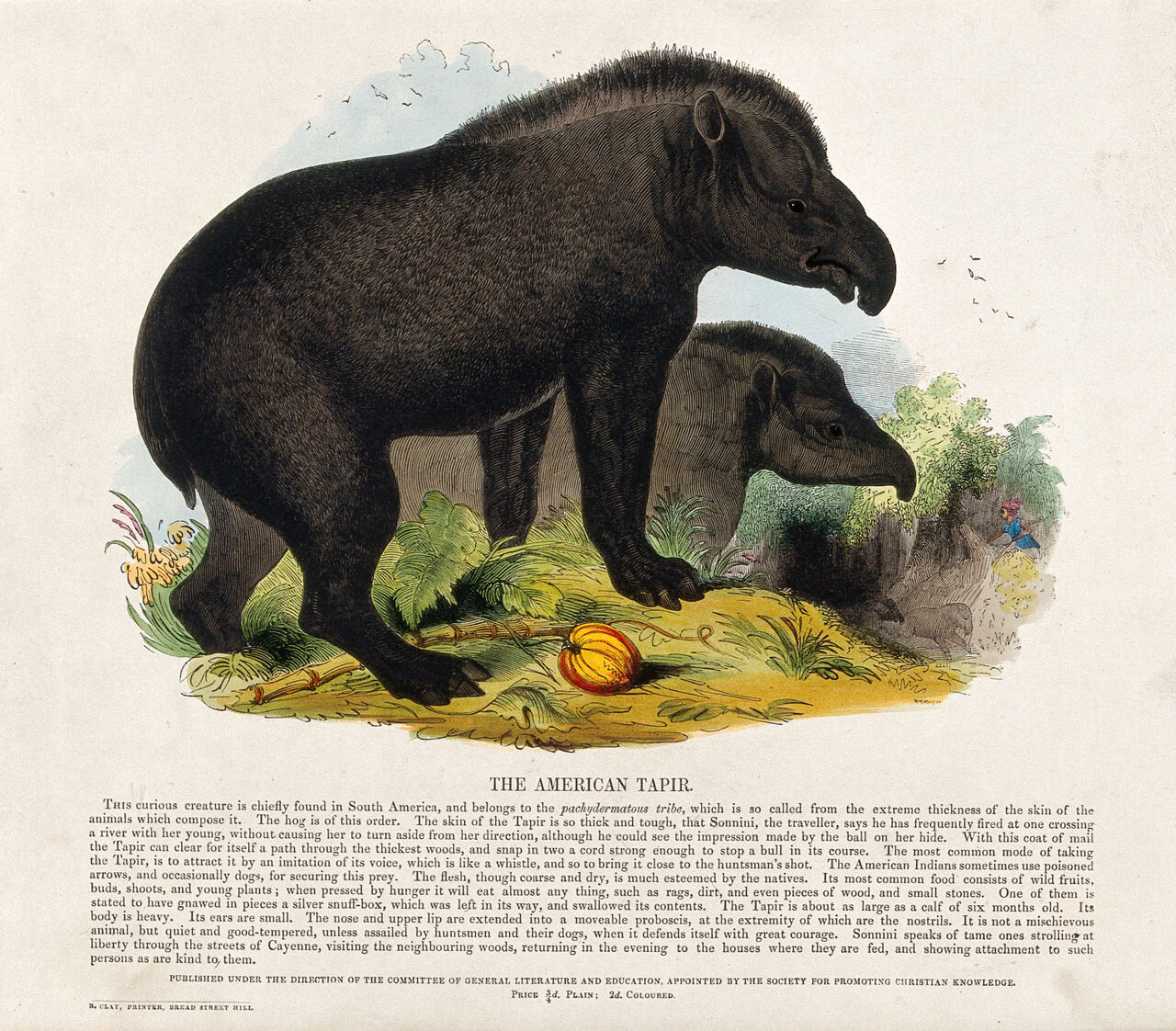
• Illustration — Engraving by Whymper: View from the Ancient Greek Theatre at Taormina After having an etching of London Bridge published, he became well known as an illustrator and worked for Black (for the 1857 edition of poetic works of Walter Scott), John Murray, Cassell and other publishers. His wood-engraving enterprise became one of London's most successful. He also painted watercolours, specialising in riverscapes, and gave drawing classes to pupils such as Charles Keene (1823–1891), John William North (1842–1924), George John Pinwell (1842–1875) and Frederick Walker (1840–1875). He also produced fine engravings of animals, fish, landscapes and wonders of the world for the Society for Promoting Christian Knowledge, sold for 3/4d penny plain, 2d pence coloured. In 1846, Whymper made thirty engravings about dramatic natural phenomena such as the aurora borealis, whirlpools and icebergs. Whymper exhibited in the London and Provincial Galleries and was elected an associate of the New Society of Painters in Water Colours in 1854, becoming a full member in 1857. Whymper's set of engravings for Charles Alexander Johns's British Birds in Their Haunts (1862) after drawings by Joseph Wolf is widely regarded as his finest work. He made some of the engravings for Henry Walter Bates's 1863 The Naturalist on the River Amazons. He also produced the wood engravings for the Life and Habits of Wild Animals (1873–74) with the help of his sons Charles, Frederick and Edward, and provided illustrations for Joseph Dalton Hooker's Himalayan Journals (1854) and David Livingstone's Narrative of an Expedition to the Zambesi (1865). He was in charge of the illustrations for Picturesque Europe (1875).
Family and later life
Family and later life
Whymper was the father of eleven children including Edward Whymper (1840–1911), the alpinist, illustrator and wood-engraver, who made the first ascent of the Matterhorn in 1865 and engraved the illustrations for Howard Willoughby's Australian Pictures (1886). Other sons were Frederick Whymper (1838–1901), an artist and explorer, and Charles H. Whymper (1853–1941), who provided illustrations for books on travel, sport and natural history, including an edition of William Yarrell's A History of British Birds (1871–89) and the Birds of Egypt (1909). His second wife was Emily Whymper. Toward the end of his life, he lived in Haslemere in Surrey, where he died in 1903. Examples of Whymper's work may be seen in the Victoria and Albert Museum, London.
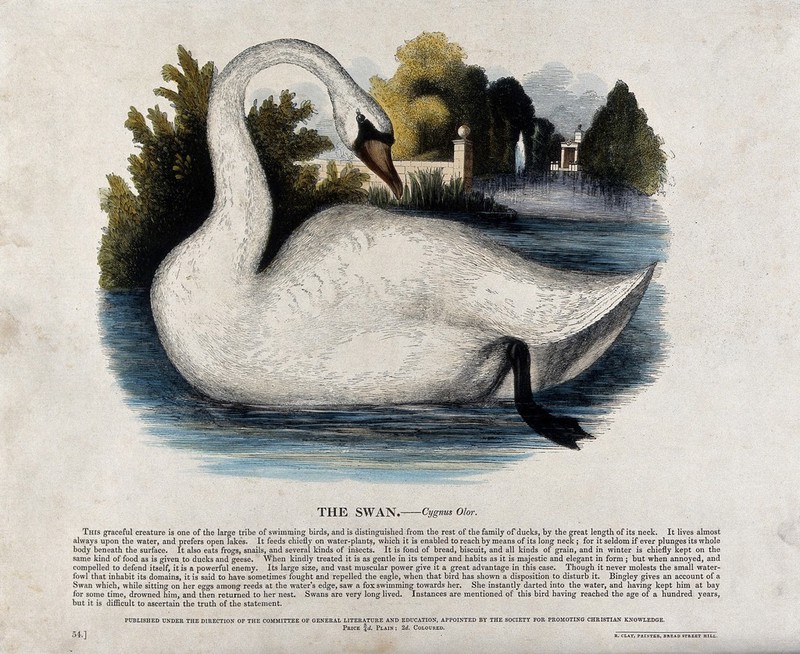
A swan on a lake. Coloured wood engraving by J. W. Whimper., by Josiah Wood Whymper
Josiah Wood Whymper · Wellcome Collection, London · Wellcome Collection
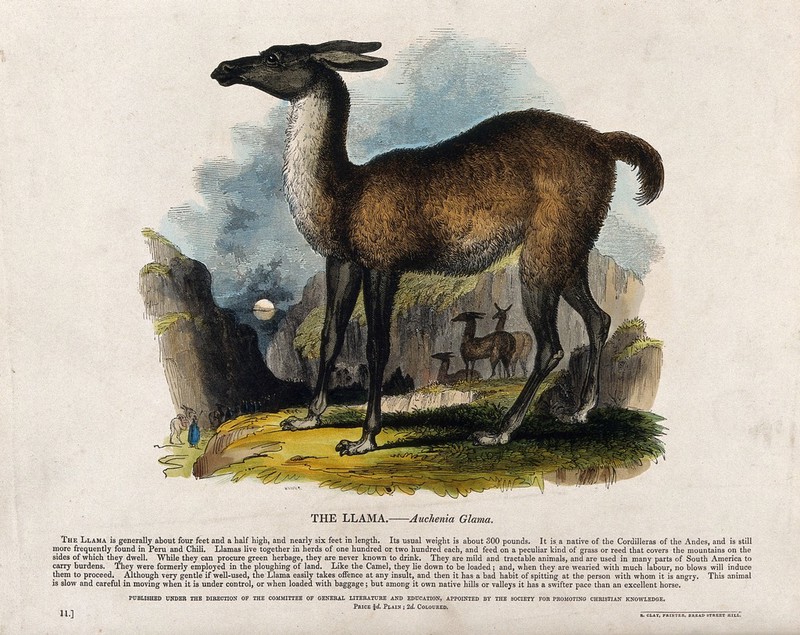
A llama standing on a rock. Coloured wood engraving by J. W. Whimper., by Josiah Wood Whymper
Josiah Wood Whymper · Wellcome Collection, London · Wellcome Collection
Places
Named by the record
Places
Only places the record itself states, plotted where the house gazetteer settles their coordinates. Nothing is inferred from a name or a nationality.
Ipswich.
Birth place
Haslemere.
Death place
Citations
References
Each reference names the institution holding it, so a reader may go to the document itself.
reference work
Secondary witnessreference work
Secondary witness
The Encyclopedia exists whether or not anything is for sale. Corrections are recorded rather than overwritten, and every version of this record is kept. Published 17 August 2026.
Elsewhere in Illustration
5,224 published records in this field, each with its sources named.
- Josephine WallIllustrator
- Josh KirbyIllustrator
- Josh SmithIllustrator
- Joshua QuagmireIllustrator
- Josias Cornelis RappardIllustrator
- Joško MarušićIllustrator
- Josse GoffinIllustrator
- Jovan PačićIllustrator
Best supported in this field
For owners
Own a work by Josiah Wood Whymper?
A specialist will read what you send and tell you what the house can establish, what it cannot, and whether the object is suited to sale. There is no charge and no obligation. The object stays with you throughout; nothing is shipped to us unless it is arranged in writing beforehand.