
John Closterman
Illustration — A later painting of The Marlborough family by John Closterman. On the Duke's left are Elizabeth, Mary, the Duchess, Henrietta, Anne and John. John Closterman (also spelt Cloosterman, Klosterman; 1660 – 24 May 1711 (buried)) was a Westphalian portrait painter of the late 17th and early 18th centuries.
Also recorded as John Kloosterman · John Klosterman
John Closterman
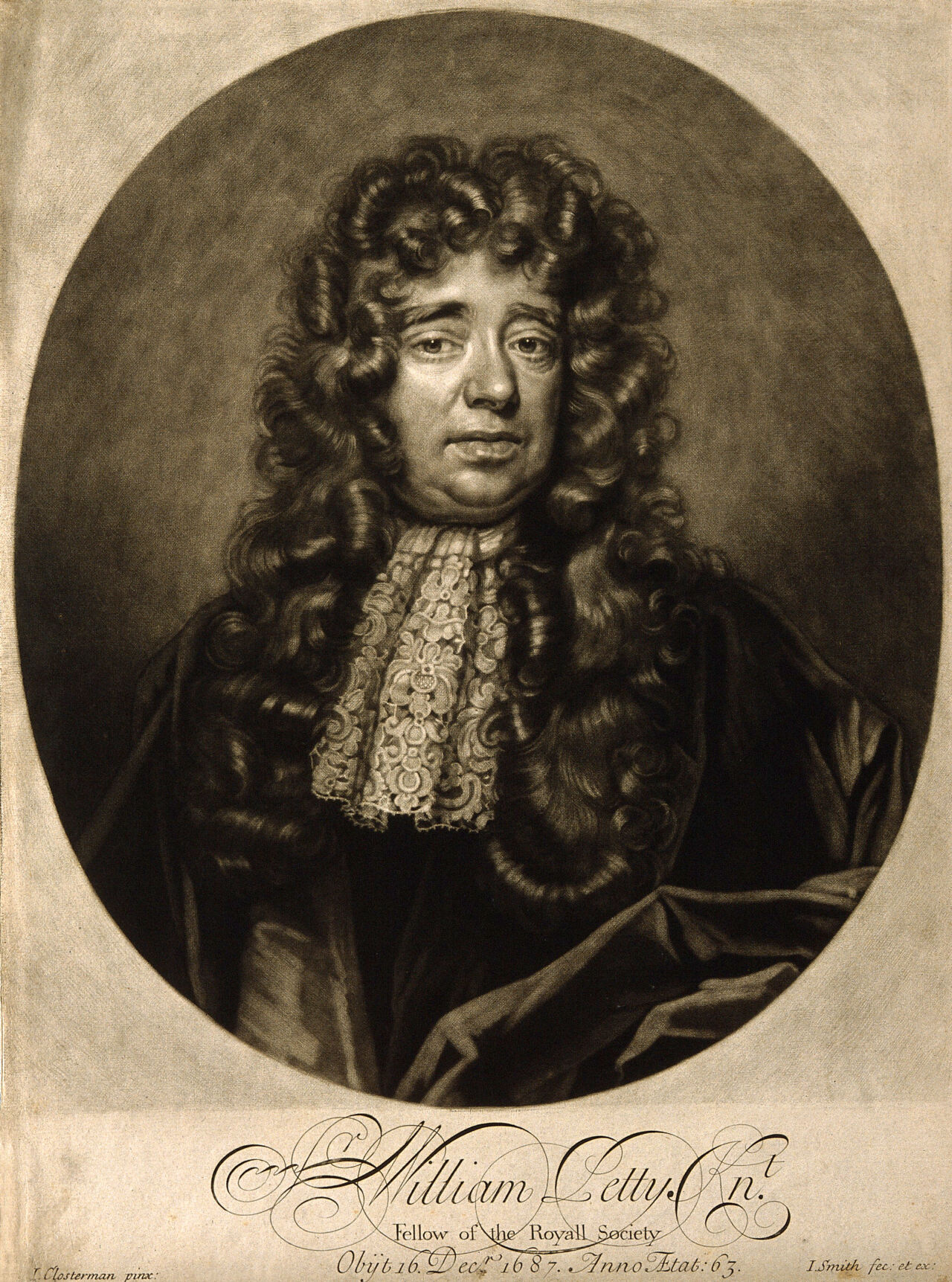
John Closterman · Wellcome Collection, London · Wellcome Collection · Public Domain Mark
- Born
- 1660. · Osnabrück.
- Nationality
- Germany.
- Occupation
- painter.
- Fields
- painting.
- Movements
- realism.
- Languages
- German.
VALÉORINE Encyclopedia
VALÉORINE documentary reading
Documentary summary
Illustration — A later painting of The Marlborough family by John Closterman. On the Duke's left are Elizabeth, Mary, the Duchess, Henrietta, Anne and John. John Closterman (also spelt Cloosterman, Klosterman; 1660 – 24 May 1711 (buried)) was a Westphalian portrait painter of the late 17th and early 18th centuries.
Admitted source layer · organised and presented by VALÉORINE
Reference Check
Propose documentary evidence for John Closterman. A contribution is never written directly as fact: identity, source, rights and evidence gates still decide.
Sign in to contribute
World of VALÉORINE
Documentary connections
Only confirmed graph relationships appear here. Images are shown only when their identity and reuse rights both pass the documentary gate.

Documentary evidence
Documentary basis
Authority files
wikidata · Q6226403 · wikipedia · John Closterman
In this article
Career
Career
His subjects were mostly European noblemen and their families.
The recorded working language is German. The field of work recorded is painting. Subjects and genres recorded for the work are portrait. Places of work recorded in the authority are London, Paris and Madrid. Work by John Closterman is recorded in the collections of Museo del Prado, Tate, Yale Center for British Art, National Portrait Gallery and Slovak National Gallery.
Born in Osnabrück in the Holy Roman Empire (now in Lower Saxony), Closterman was the son of an artist who taught him the rudiments of design. In 1679, Closterman went to Paris and worked under François de Troy. In 1681, he went to England. He worked for John Riley, painting the draperies in Riley's portraits When Riley died in 1691, Closterman finished several of his portraits. Because of his work on Riley's portraits, Charles Seymour, 6th Duke of Somerset, hired him to create some paintings. However, Somerset became dissatisfied with the purchase of a painting by the Italian painter Guercino that Closterman had tried to arrange for him, ending the relationship. Charles Montagu, 1st Earl of Halifax eventually purchased the portrait. In 1696, Closterman was invited to the court of Spain, where he painted a portrait of Charles II of Spain, his wife, Mariana of Austria and some others. He also travelled to Italy twice, where he bought several artworks. When he returned to England, Closterman found a high demand for his services among the social elite. At this time, he married an Englishwoman, Hannah; she died and was buried on 27 January 1702. According to Arnold Houbraken, Closterman later took a mistress who stole much of his property and then left him. Her departure allegedly precipitated Closterman's physical and mental decline. Jacob Campo Weyerman, who took much of his biographical material from Houbraken, states "Closterman had taken a beautiful mistress who, while he was away in the country, robbed him of his valuables and disappeared, actions which drove the painter into madness". Closterman died in 1711 and was buried in Covent Garden churchyard in London.
Works
Works
• Illustration — Queen Anne, c. 1702 • Illustration — Daniel Parke II by John Closterman, oil on canvas, 1706, in the collection of the Virginia Historical Society In 1702, Closterman painted a whole-length portrait of Anne, Queen of Great Britain in her coronation robes, wearing a crown, and carrying the orb and sceptre. The Queen Anne portrait was originally exhibited in the Guildhall, London. The portrait has disappeared, but a study is part of the collection of the National Portrait Gallery, London. Closterman also painted a family portrait of John Churchill, 1st Duke of Marlborough and his wife, Sarah Churchill, Duchess of Marlborough, with their five children: John Churchill, Marquess of Blandford, Henrietta Godolphin, 2nd Duchess of Marlborough, Lady Ann, Lady Elizabeth, and Lady Mary Churchill. In the Churchill portrait, the family is assembled beneath a rich hanging curtain on a raised dais; all the figures are lifesize. Closterman probably painted the portrait around the beginning of 1698. Closterman supposedly had so many disputes with Sarah Churchill that her husband remarked, "It has given me more trouble to reconcile my wife and you than to fight a battle". The story is told by Horace Walpole. The Churchill portrait is now part of the collection at Blenheim Palace in Oxfordshire.
Identity
Identity
For many years John Closterman and his artist brother John Baptist Closterman have been conflated in biographies, such as those in the Dictionary of National Biography and the Encyclopedia Britannica. An article by J. D. Stewart in The Burlington Magazine sets the record straight, citing John Closterman's will, which left part of his estate to "my Deare and Loveing Brother John Baptist".
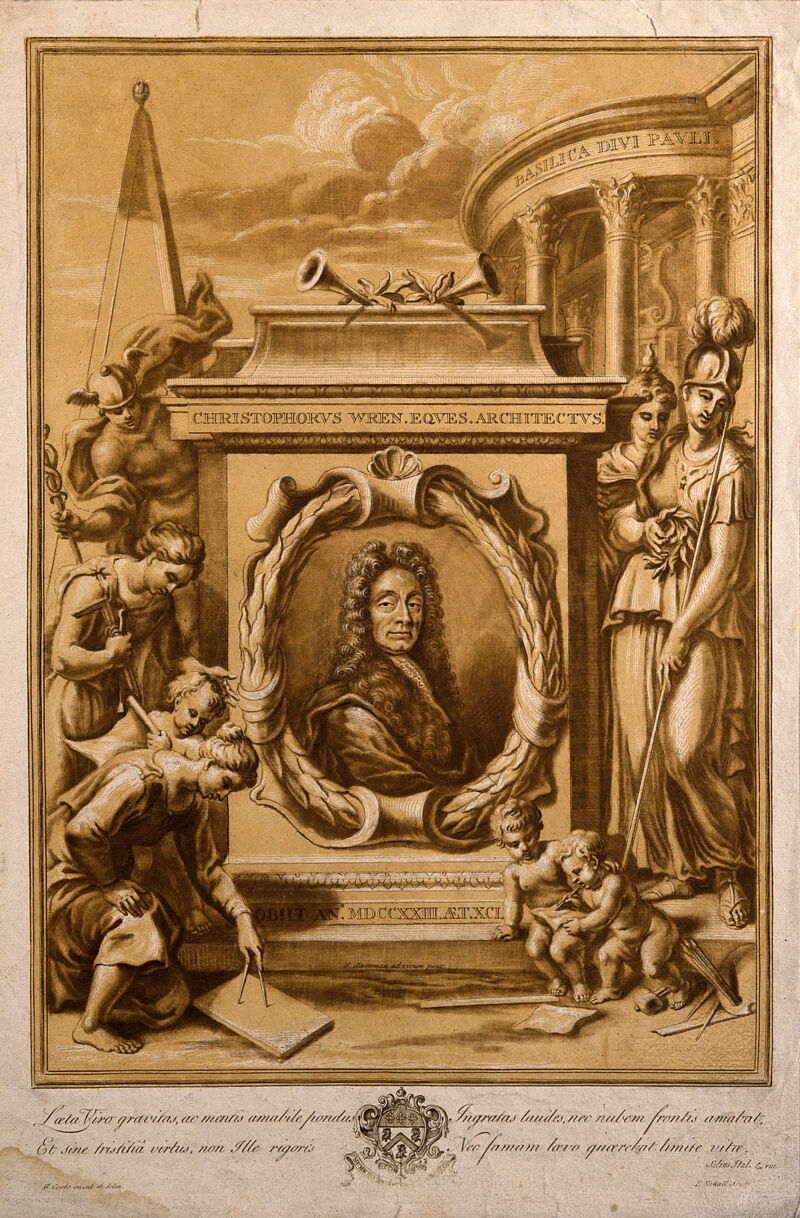
Sir Christopher Wren. Chiaroscuro woodcut by E. Kirkall after H. Cooke after J. Closterman, 1695., by John Closterman
John Closterman · Wellcome Collection, London · Wellcome Collection
![Queen Anne, holding an orb and a sceptre. Mezzotint by J. Faber after J. Closterman, 17--., [between 1700 and 1799], by John Closterman](https://iiif.wellcomecollection.org/image/V0048358/full/800,/0/default.jpg)
Queen Anne, holding an orb and a sceptre. Mezzotint by J. Faber after J. Closterman, 17--., [between 1700 and 1799], by John Closterman
John Closterman · Wellcome Collection, London · Wellcome Collection
Life and career
Dated record
Life and career
The full dated record · 2 entries
1660
John Closterman was born on 1 January 1660.
1711
John Closterman died on 24 May 1711.
Places
Named by the record
Places
Only places the record itself states, plotted where the house gazetteer settles their coordinates. Nothing is inferred from a name or a nationality.
Osnabrück.
Birth place
London.
Death place
Primary material
Documents and archives
authority record
- Wikidata, structured authority record Q6226403: John Closterman
General reference · Wikidata
reference work
- “John Closterman”, English Wikipedia, consulted as further reading
Reputable secondary · Wikipedia
Citations
References
Each reference names the institution holding it, so a reader may go to the document itself.
authority record
Secondary witnessreference work
Secondary witness
The Encyclopedia exists whether or not anything is for sale. Corrections are recorded rather than overwritten, and every version of this record is kept. Published 17 August 2026.
Elsewhere in Paintings
18,623 published records in this field, each with its sources named.
- John Church DempseyArtist
- John Clayton AdamsArtist
- John Cleveley the ElderArtist
- John Cleveley the YoungerArtist
- John ClymerArtist
- John CollettArtist
- John CollierArtist
- John ComerfordArtist
Best supported in this field
For owners
Own a work by John Closterman?
A specialist will read what you send and tell you what the house can establish, what it cannot, and whether the object is suited to sale. There is no charge and no obligation. The object stays with you throughout; nothing is shipped to us unless it is arranged in writing beforehand.