
Henry Howard
Henry Howard (1818–1884) was an Irish-born American architect. Over the course of four decades, he designed over 280 buildings in Louisiana, including several plantation houses during the antebellum era. After the Civil War, he designed many town houses in New Orleans.
Henry Howard
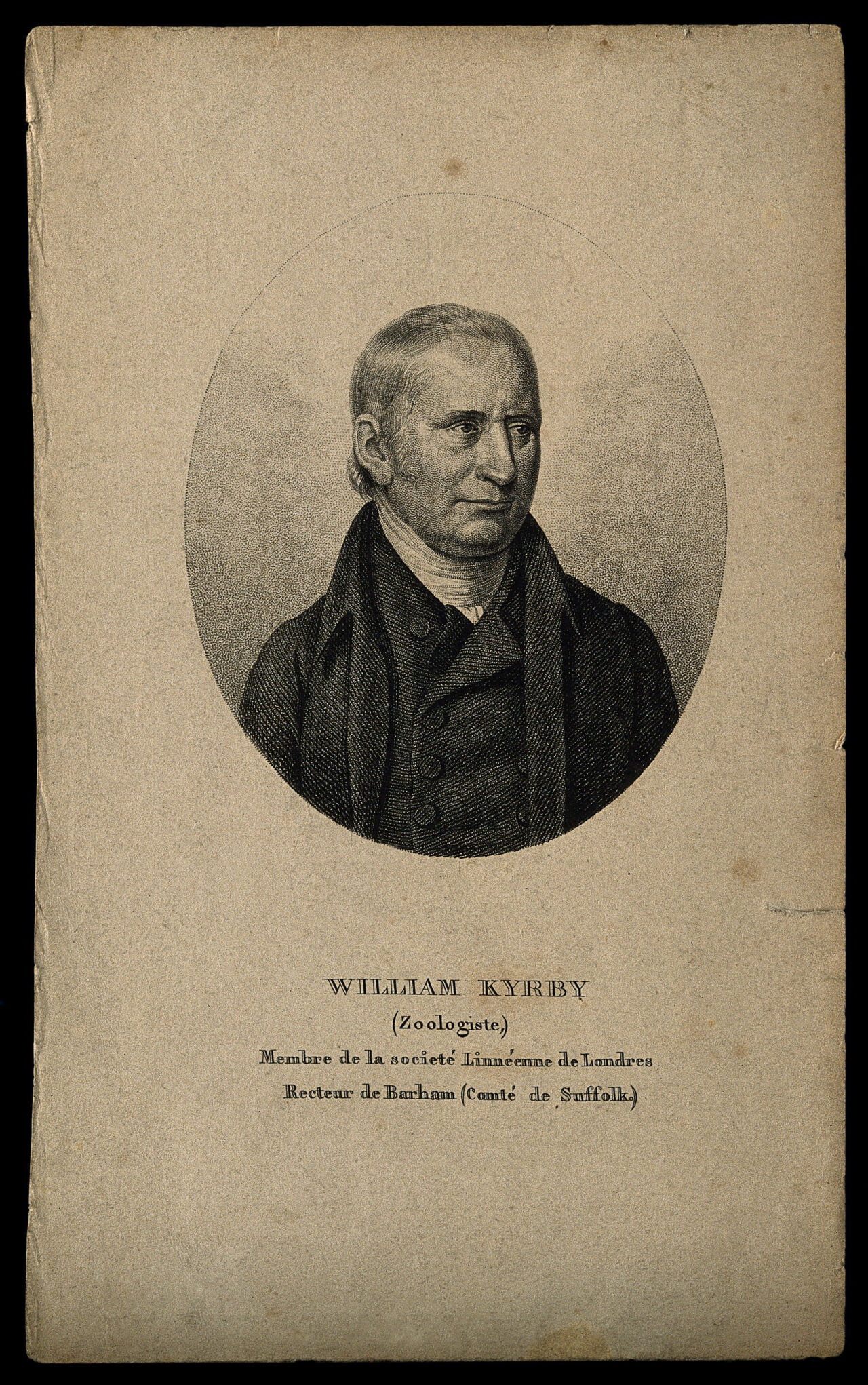
Henry Howard · Wellcome Collection, London · Wellcome Collection · Public Domain Mark
- Name
- Henry Howard
- Born
- February 8, 1818
- Birthplace
- Cork, Ireland
- Died
- 25 November 1884
- Place of death
- New Orleans, Louisiana, U.S.
- Occupation
- Architect
- Spouse
- Caroline Richards
- Nationality
- United States
Reference Check
Propose documentary evidence for Henry Howard. A contribution is never written directly as fact: identity, source, rights and evidence gates still decide.
Sign in to contribute
World of VALÉORINE
Documentary connections
Only confirmed graph relationships appear here. Images are shown only when their identity and reuse rights both pass the documentary gate.
Documentary evidence
Documentary basis
Authority files
gnd · 1202369421 · wikidata · Q29044206
VALÉORINE Encyclopedia
The documentary record
Statements marked “Documentary record” are set in the article beside the passage they confirm. Each is read from the authority records of the institutions named here; select “Prove” to see the record it was read from, where in that record, and when.
Institutions cited
Deutsche Nationalbibliothek · Getty Union List of Artist Names
Complete reading chain (JSON)In this article
Key facts
Key facts
• Name — Henry Howard • Born — February 8, 1818 • Birthplace — Cork, Ireland • Died — 25 November 1884 • Place of death — New Orleans, Louisiana, U.S. • Occupation — Architect • Spouse — Caroline Richards • Children — 11
Documentary record
Henry Howard lived from 1818 to 1884 and was an architect.
Early life
Early life
Henry Howard was born on February 8, 1818, in Cork, Ireland. There he learned the architectural trade at his father's architectural office. He emigrated to the United States in 1836, first living in New York City. Within a year, he joined his brother in New Orleans, Louisiana.
Documentary record
Henry Howard was born in 1818.
Career
Career
Howard first worked as a builder/carpenter in New Orleans, where he built residential stairs. He was employed by architects James H. Dakin and Henry Molhausen. A few years later, he completed the Pontalba Buildings, started by James Gallier. • Illustration — Madewood Plantation House, designed by Howard in 1848. • Illustration — Nottoway Plantation house, completed by Howard in 1859. By 1848, he designed the Madewood Plantation House near Napoleonville. He went on to design several other plantation mansions, such as Nottoway (1859, which was largest surviving plantation house in the South prior to a fire May 15, 2025 which destroyed much of the main house), Belle Alliance, Indian Camp Plantation (1859), Belmont Plantation in St. James Parish, and Edgewood (1859) in Natchez, Mississippi. • Illustration — Robert H. Short House Howard also designed town houses like the Samuel W. Logan House, the Robert H. Short House and the Goldsmith-Godchaux House (1859). The Goldsmith-Godchaux House is "significant for its painted interiors. Has more fresco wall decoration and stenciling than probably any other mid-nineteenth century residence in the South." • Illustration — Indian Camp Plantation House, designed in 1859. In at least a few of these projects, Howard worked with a partner, Albert Diettel, including Edgewood and possibly Indian Camp Plantation. During the American Civil War of 1861-1865, Howard joined the Confederate States Navy and worked at the Confederate Naval Iron Works in Columbus, Georgia. After the war, Howard resumed designing houses. Over the course of his career, he designed over 280 buildings, some of which were wrongly attributed to James Gallier.
Other works
Other works
• Belle Grove Plantation, Iberville Parish, Louisiana • Carrollton Courthouse, New Orleans • White Hall Plantation House, Pointe Coupee Parish
Personal life and death
Personal life and death
Howard married Caroline Richards of New York; they had 11 children. He died of paralysis on November 25, 1884, in New Orleans.
Documentary record
Henry Howard died in 1884.
Identity and overview
Identity and overview
The following is established of the heading itself.
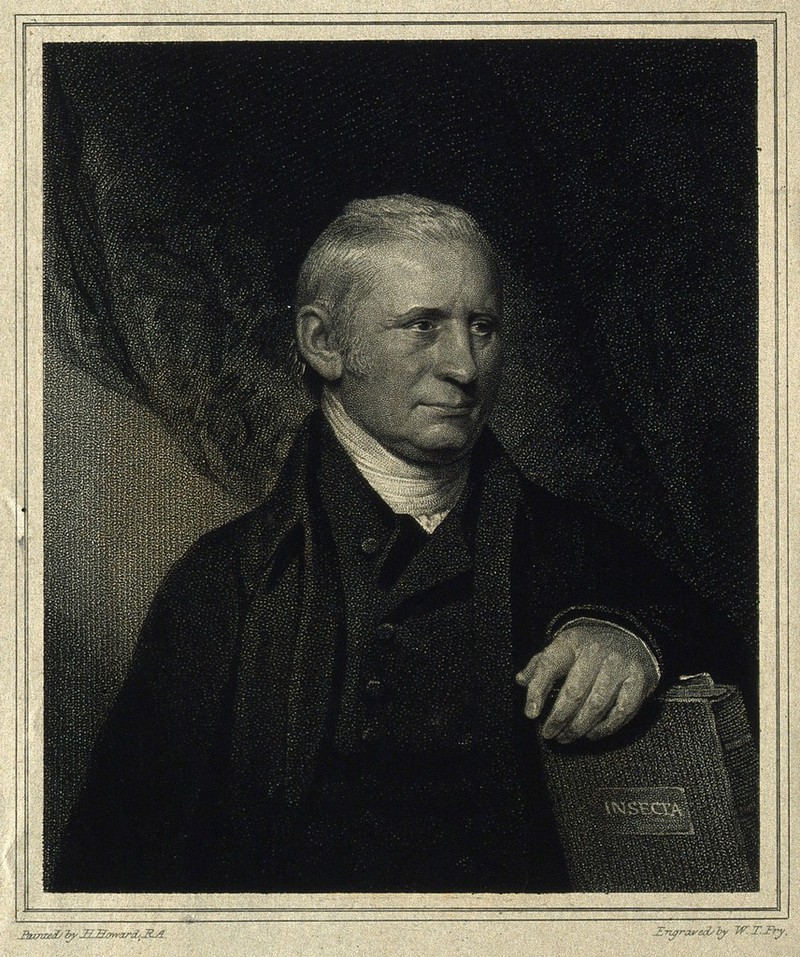
William Kirby. Stipple engraving by W. T. Fry, 1825, after H. Howard., by Henry Howard
Henry Howard · Wellcome Collection, London · Wellcome Collection
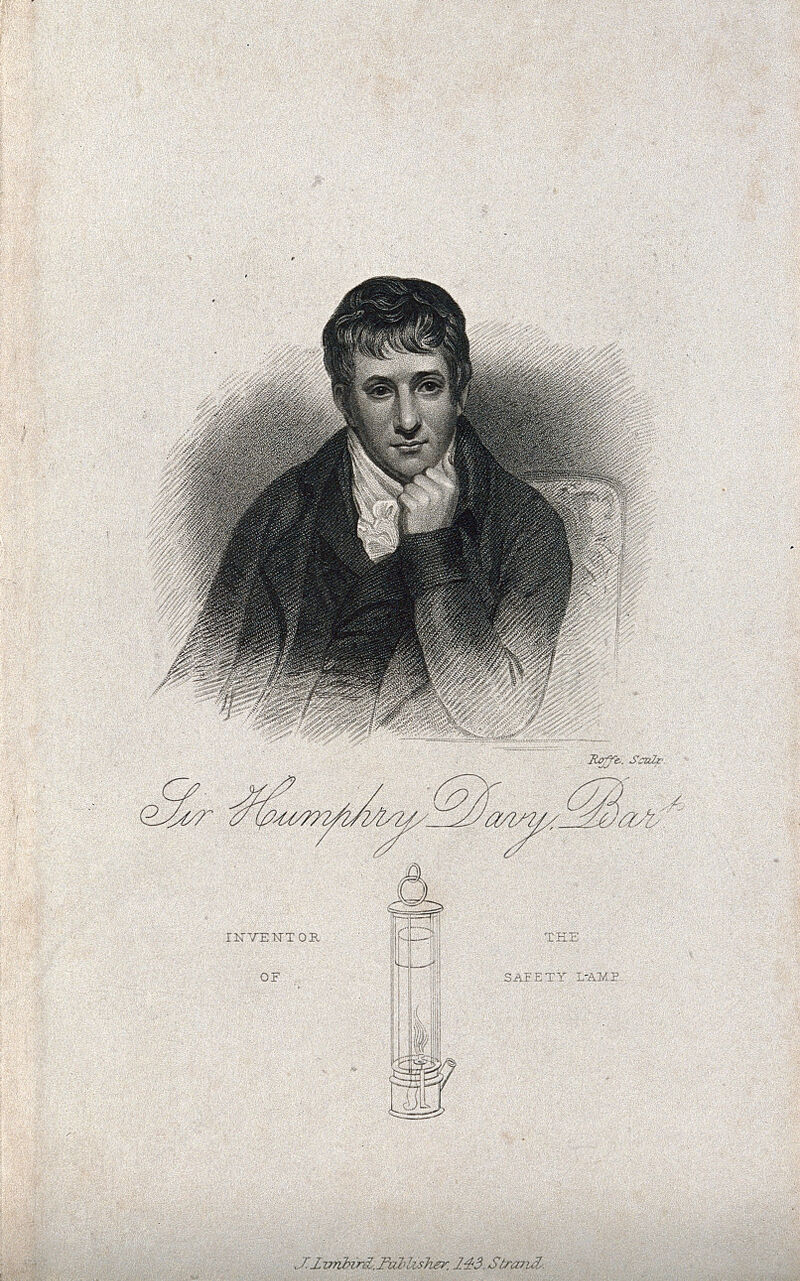
Sir Humphry Davy. Stipple engraving by Roffe after H. Howard., by Henry Howard
Henry Howard · Wellcome Collection, London · Wellcome Collection
Places
Named by the record
Places
Only places the record itself states, plotted where the house gazetteer settles their coordinates. Nothing is inferred from a name or a nationality.
Henry Howard was born at Cork.
Birthplace
Henry Howard died at New Orleans.
Deathplace
Cork.
Birth place
New Orleans.
Death place
Primary material
Documents and archives
authority file
- Gemeinsame Normdatei 1202369421, Henry, Howard.
General reference · Deutsche Nationalbibliothek
reference work
- Wikidata, structured authority record Q29044206: Henry Howard
Reputable secondary · Wikimedia Foundation
Text attribution
Licensing
Text attribution
Part of the biographical narrative on this page reuses licensed material. Its origin, revision and licence are recorded here.
The biographical narrative on this page is based on the Wikipedia article Henry Howard (architect), revision 1363639555 (EN edition), by its contributors. VALÉORINE has edited that text and built its own documentary record around it. The reused material is available under CC BY-SA 4.0, and this page's reuse of it is offered under the same licence. Everything else on this page — the chronology, the holdings, the evidence, the plates and the connections — is VALÉORINE's own record. Sources and licences.
Notes from the source article
Cited by Wikipedia
Notes from the source article
These works are cited by the source article, in its own numbering. They are recorded as its citations, not as sources VALÉORINE has verified.
- 1.Matrana, Marc R. Lost Plantations of the South. University Press of Mississippi. 188. 2009. 9781578069422.
- 2.Dufour, Charles L. Henry Howard: Forgotten Architect. Journal of the Society of Architectural Historians. 11. 4. 21–24. December 1952. 10.2307/987585.
- 3.Marshall, Keith. The legacy of Henry Howard, one of New Orleans' most influential architects. NOLA.com. June 2015.
- 4.Marshall, Keith. The legacy of Henry Howard, one of New Orleans' most influential architects. The Times-Picayune. June 1, 2015.
- 5.Merrill, Ellen C. Germans of Louisiana. Pelican Books. 120. 2005. 9781589802445.
- 6.Henry Howard's Louisiana. Architectural Digest. June 30, 2015.
- 7.Goldsmith-Godchaux House at Historical Marker Database, retrieved 4 Nov. 2017.
- 8.Henry Howard Dead. The Montgomery Advertiser. 1. November 26, 1884.
Bibliography printed in the source article · 1
- Brantley, Robert S. Henry Howard: Louisiana's Architect. Historic New Orleans Collection. 2015. 9781616892784.
References
Citations
References
Each reference names the institution holding it, so a reader may go to the document itself.
authority file
Gemeinsame Normdatei 1202369421, Henry, Howard.Deutsche Nationalbibliothek
Secondary witnessreference work
Wikidata, structured authority record Q29044206: Henry HowardWikimedia Foundation
Secondary witness
The Encyclopedia exists whether or not anything is for sale. Corrections are recorded rather than overwritten, and every version of this record is kept. Published 17 August 2026.
Elsewhere in Design
11,558 published records in this field, each with its sources named.
- Henry Hobson RichardsonDesigner
- Henry HohauserDesigner
- Henry HornbostelDesigner
- Henry Houghton HillDesigner
- Henry Hudson HollyDesigner
- Henry HunterDesigner
- Henry IrwinDesigner
- Henry Isaac StevensDesigner
Best supported in this field
For owners
Own a work by Henry Howard?
A specialist will read what you send and tell you what the house can establish, what it cannot, and whether the object is suited to sale. There is no charge and no obligation. The object stays with you throughout; nothing is shipped to us unless it is arranged in writing beforehand.