
Henri Le Secq
Jean-Louis-Henri Le Secq des Tournelles (18 August 1818 – 26 December 1882) was a French painter and photographer. After the French government made the daguerreotype open for public in 1839, Le Secq was one of the five photographers selected to carry out a photographic survey of architecture (Commission des Monuments Historiques).
Also recorded as Henri Le Secq Destournelles · Henri Jean-Louis Le Secq · Jean-Louis-Henri Le Secq · Jean-Louis-Henri Le Secq Detournalles
Henri Le Secq
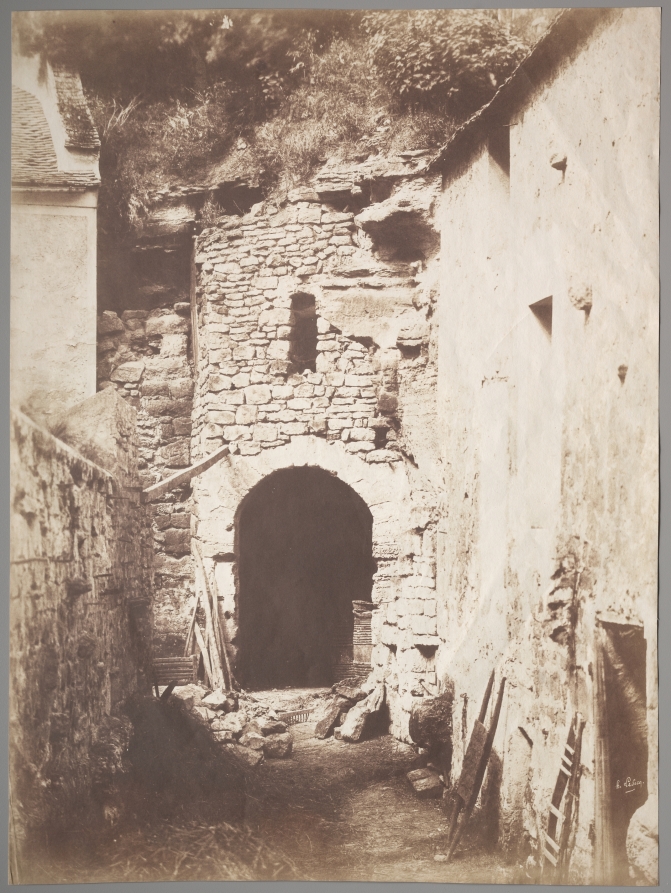
Henri Le Secq · The Cleveland Museum of Art · Norman O. Stone and Ella A. Stone Memorial Fund · CC0
- Name
- Henri Le Secq des Tournelles
- Born
- 18 August 1818
- Birthplace
- Paris
- Died
- 26 December 1882
- Occupation
- Photographer, Painter, Sculptor, Collector
- Nationality
- France
- Teachers
- Paul Delaroche
- Languages
- French
VALÉORINE Encyclopedia
VALÉORINE documentary reading
Documentary summary
Jean-Louis-Henri Le Secq des Tournelles (18 August 1818 – 26 December 1882) was a French painter and photographer. After the French government made the daguerreotype open for public in 1839, Le Secq was one of the five photographers selected to carry out a photographic survey of architecture (Commission des Monuments Historiques).
Admitted source layer · organised and presented by VALÉORINE
Note VALÉORINE
No house-authored Note is published until its assertions and sources pass the VALÉORINE evidence contract. The documentary article remains available in full while that enrichment is being consolidated.
Documentary enrichment in progress · no unsupported statement published
Reference Check
Propose documentary evidence for Henri Le Secq. A contribution is never written directly as fact: identity, source, rights and evidence gates still decide.
Sign in to contribute
World of VALÉORINE
Documentary connections
Only confirmed graph relationships appear here. Images are shown only when their identity and reuse rights both pass the documentary gate.

Documentary evidence
Evidence Panel
not yet certified
- Identity
- unresolved
- Independent source families
- 0
- Admitted assertions
- 0
- Open conflicts
- 0
Authority files
wikidata · Q1383731 · wikipedia · Henri Le Secq
In this article
Biography
Biography
Training under Paul Delaroche is recorded. The recorded working language is French. Work by Henri Le Secq is recorded in the collections of Museo del Prado, Art Institute of Chicago, The Nelson-Atkins Museum of Art, National Gallery of Victoria and National Gallery of Canada.
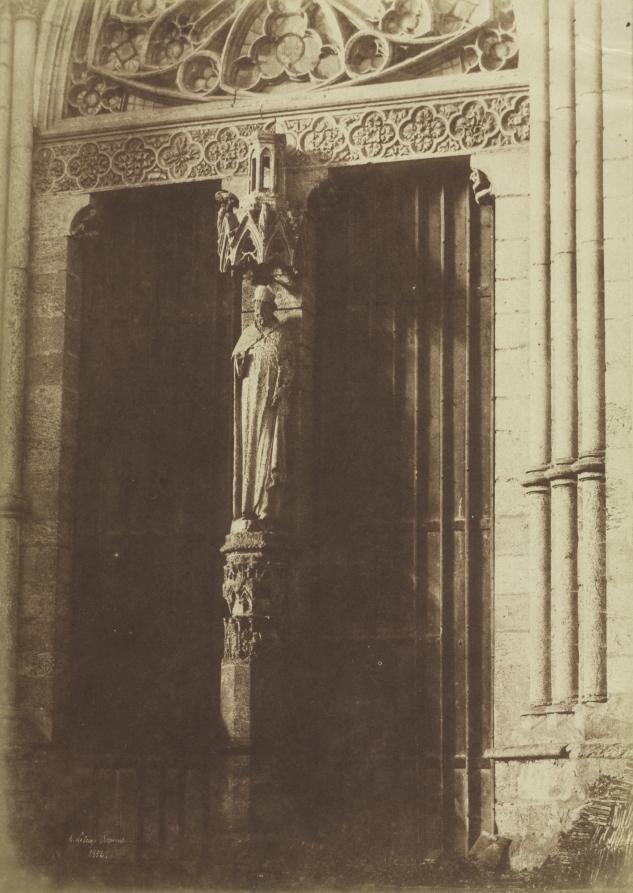
Amiens, Northern Façade of the Transept, 1852, by Henri Le Secq
Henri Le Secq · The Cleveland Museum of Art · Andrew R. and Martha Holden Jennings Fund
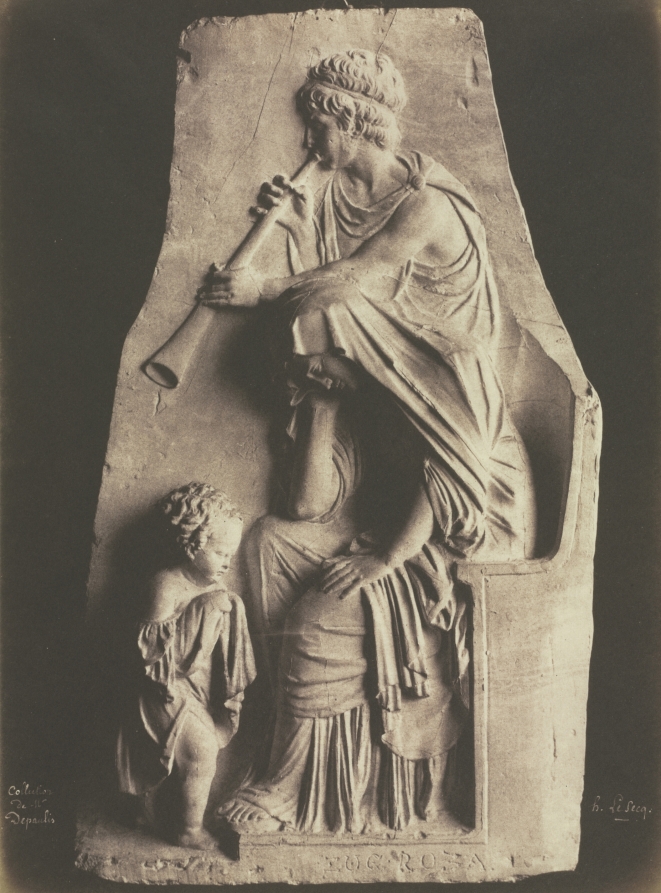
Plaster Cast from the Depaulis Collection, c. 1854–55, by Henri Le Secq
Henri Le Secq · The Cleveland Museum of Art · Andrew R. and Martha Holden Jennings Fund
Key facts
Key facts
• Name — Henri Le Secq des Tournelles • Born — 18 August 1818 • Birthplace — Paris • Died — 26 December 1882 • Place of death — Paris • Occupation — Photographer, Painter, Sculptor, Collector
Early life
Early life
Jean-Louis-Henri Le Secq des Tournelles was born in 1818 in Paris, of an ancient noble family from Normandy. His father was a politician. Jean-Louis-Henri was trained in sculpture and worked in several studios. He was also a collector of wrought iron objects and the Musée le Secq des Tournelles in Rouen is devoted to him. He started his photographic career while still working as a painter in the studio of Paul Delaroche.
Middle years
Middle years
He experimented with various photograph processing techniques together with his colleague Charles Nègre and later worked with Gustave Le Gray learning the waxed-paper negative process. This process had the advantage that it produced negatives unlike the daguerreotype process. He, along with Hippolyte Bayard, Edouard Baldus, Gustave Le Gray and Auguste Mestral (O. Mestral), was sent on Missions Héliographiques to document famous architectural monuments in France. He worked mainly on cathedrals in Chartres, Strasbourg, Reims and near Paris. Cameras capable of taking large photographs, sized up to 51 cm by 74 cm, were used. His works during this Commission des Monuments Historiques are considered his finest. In 1851 he became one of the founders of the first photographic organization of the world, the Société héliographique (1851–1853), which was very short lived.
Later years
Later years
Le Secq des Tournelles gave up photography after 1856 but continued to paint and collect art. Around 1870 he started reprinting his famous works as cyanotypes because he was afraid of possible loss due to fading. He gave the reprints the dates of the original negatives, some of which are still in good condition. • Illustration — Strasbourg Cathedral • Illustration — Large figures on the North porch, Chartres Cathedral
Life and career
Dated record
Life and career
The full dated record · 2 entries
1818
Henri Le Secq born at Paris.
1882
Henri Le Secq died at Paris.
References
Citations
References
Each reference names the institution holding it, so a reader may go to the document itself.
reference work
Partially resolvedreference work
Partially resolved
People, houses and institutions
Knowledge graph
People, houses and institutions
Teachers, collaborators, publishers and institutions recorded against this person, each on a stated basis.
Further particulars
Held on the record
Further particulars
Open the remaining particulars
His recorded language was French.
Identity and origins
Recognition and collections
Work by Henri Le Secq is
Museo del Prado, Art Institute of Chicago, The Nelson-Atkins Museum of Art and National Gallery of Victoria
The Encyclopedia exists whether or not anything is for sale. Corrections are recorded rather than overwritten, and every version of this record is kept. Published 16 August 2026.
Elsewhere in Prints
4,138 published records in this field, each with its sources named.
- Henri GuérardEngraver
- Henri HarpigniesEngraver
- Henri Jules Jean GeoffroyEngraver
- Henri Le RicheEngraver
- Henri LebasqueEngraver
- Henri MatisseEngraver
- Henri MeunierEngraver
- Henri RivièreEngraver
Best supported in this field
For owners
Own a work by Henri Le Secq?
A specialist will read what you send and tell you what the house can establish, what it cannot, and whether the object is suited to sale. There is no charge and no obligation. The object stays with you throughout; nothing is shipped to us unless it is arranged in writing beforehand.