
Giovanni Francesco Buonamici
Giovan Francesco Buonamici (1692- 4 August 1759) was an Italian architect and painter of the Baroque period, active mainly around Ravenna, Fano, and his native Rimini.
Also recorded as Gianfrancesco Buonamici · Giovanni Francesco Bonamici · G. Buonamici · Giovan Francesco Buonamici
Giovanni Francesco Buonamici
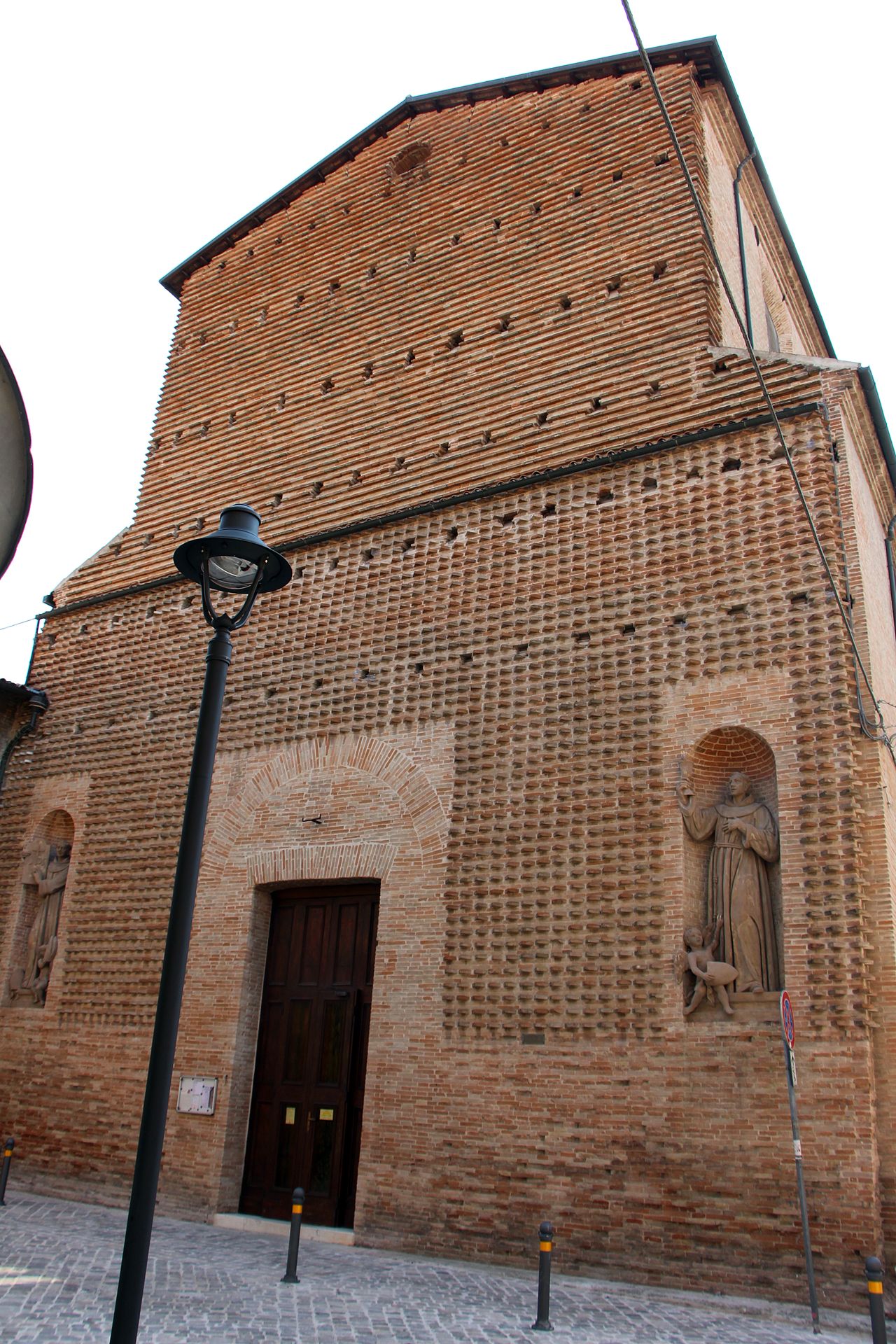
Sailko · CC BY 3.0
- Born
- 1692 · Rimini.
- Died
- 1759 · Rimini.
- Occupation
- architect · painter · art historian
- Honours
- Order of the Golden Spur
VALÉORINE Encyclopedia
VALÉORINE documentary reading
Documentary summary
Giovan Francesco Buonamici (1692- 4 August 1759) was an Italian architect and painter of the Baroque period, active mainly around Ravenna, Fano, and his native Rimini.
Admitted source layer · organised and presented by VALÉORINE
Reference Check
Propose documentary evidence for Giovanni Francesco Buonamici. A contribution is never written directly as fact: identity, source, rights and evidence gates still decide.
Sign in to contribute
World of VALÉORINE
Documentary connections
Only confirmed graph relationships appear here. Images are shown only when their identity and reuse rights both pass the documentary gate.
Documentary evidence
Documentary basis
Authority files
wikidata · Q23822687 · wikipedia · Giovan Francesco Buonamici
In this article
Biography
Biography
He was born in Rimini, and may have worked as painter as young man, working with his brother who was decorating the ceiling of the parish church of San Martino in Rimini. Giovanni Francesco studied painting with Carlo Cignani. Only one independent painting (1723) by Buonamici is known, depicting the Consecration of Monsignor Maffeo Nicolò Farsetti. He began working as an architect for the Cathedral of Ravenna under the patronage of the archbishop Farsetti. In 1731–1732, he worked on the restoration of the cappella Sancta Sanctorum in Basilica of San Vitale, Ravenna. The baroque decorations were removed in the 1904 refurbishment. During 1734 to 1745, he worked on the reconstruction of the Duomo di Ravenna. This work gained him nomination by Farsetti as knight in the Order of the Golden Spur. Buonamici also worked (1721) in the San Francesco Saverio in Rimini. He also made designs in 1738 for churches in Santarcangelo di Romagna. In 1740, he designed a town tower for Fano. He was particularly active in his native Rimini, where he worked in the local Pescheria (1747); the renovation of the church of Santi Giovanni e Paolo; the church of San Simone; the reconstruction of former Torre dell’Orologio in Piazza Giulio Cesare (1759) (subsequently razed); San Bernardino; and the stairs in the entrance of the Bishop's palace (1750). In 1758, he was nominated Academic of Honor of the Accademia di San Luca in Rome. Buonamici died in Rimini.
Life and career
Dated record
Life and career
The full dated record · 2 entries
1692
Giovanni Francesco Buonamici was born on 1 January 1692.
1759
Giovanni Francesco Buonamici died on 4 August 1759.
Primary material
Documents and archives
reference work
- “Giovan Francesco Buonamici”, English Wikipedia, consulted as further reading
Reputable secondary · Wikipedia
authority record
- Wikidata, structured authority record Q23822687: Giovanni Francesco Buonamici
General reference · Wikidata
Citations
References
Each reference names the institution holding it, so a reader may go to the document itself.
reference work
Secondary witnessauthority record
General reference
The Encyclopedia exists whether or not anything is for sale. Corrections are recorded rather than overwritten, and every version of this record is kept. Published 17 August 2026.
Elsewhere in Design
11,558 published records in this field, each with its sources named.
- Giovanni de Galliano PieroniDesigner
- Giovanni del FantasiaDesigner
- Giovanni di Lapo GhiniDesigner
- Giovanni Domenico D'AuriaDesigner
- Giovanni Francesco LucchiniDesigner
- Giovanni Francesco MormandoDesigner
- Giovanni Giacomo MontiDesigner
- Giovanni GreppiDesigner
Best supported in this field
For owners
Own a work by Giovanni Francesco Buonamici?
A specialist will read what you send and tell you what the house can establish, what it cannot, and whether the object is suited to sale. There is no charge and no obligation. The object stays with you throughout; nothing is shipped to us unless it is arranged in writing beforehand.