
Giovanni Battista Benaschi
Giovanni Battista Benaschi, or Beinaschi, (1636September 28, 1688) was an Italian painter and engraver active in the Mannerist and Baroque style.
Also recorded as Giovanni Battista Beinaschi · Cavalier Giovanni Battista Benasco · Giovanni Batta Binasco · Giovanni Battista Benazzo
Giovanni Battista Benaschi
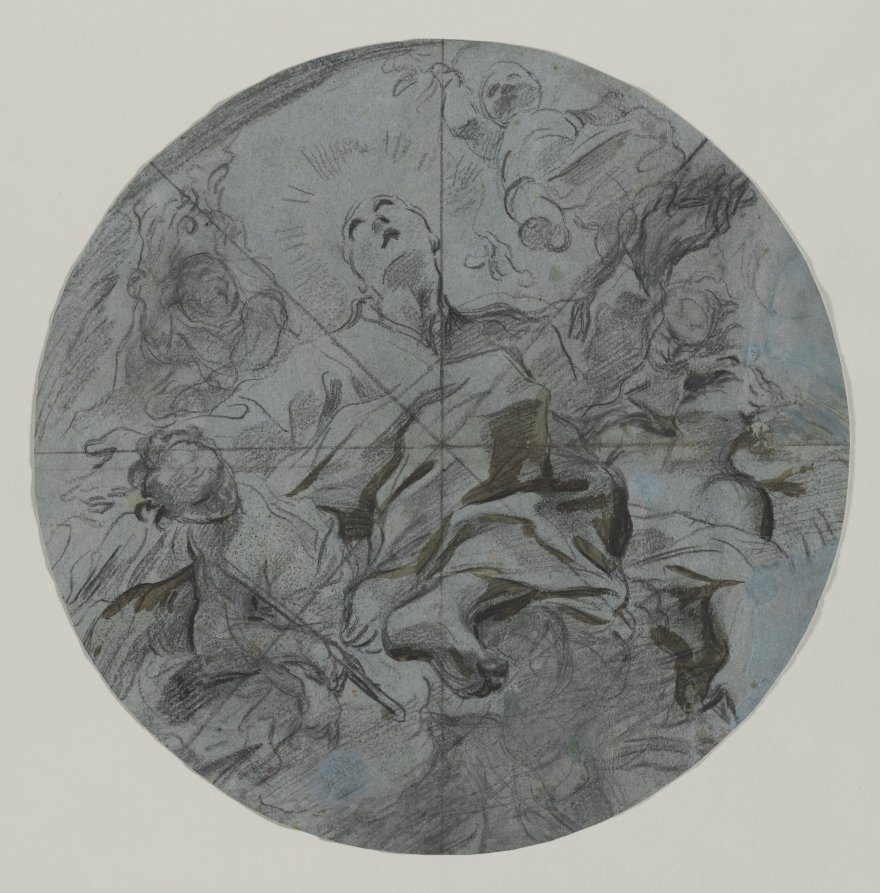
Giovanni Battista Benaschi · The Cleveland Museum of Art · Dudley P. Allen Fund · CC0
- Name
- Giovanni Battista Benaschi
- Born
- 1636
- Birthplace
- Turin, Duchy of Savoy
- Died
- 28 September 1688
- Place of death
- Naples, Kingdom of Naples
- Known for
- Painting
- Movement
- * Mannerism
- Training
- Pietro del Pò
- Occupation
- painter · draftsperson
VALÉORINE Encyclopedia
VALÉORINE documentary reading
Documentary summary
Giovanni Battista Benaschi, or Beinaschi, (1636September 28, 1688) was an Italian painter and engraver active in the Mannerist and Baroque style.
Admitted source layer · organised and presented by VALÉORINE
Reference Check
Propose documentary evidence for Giovanni Battista Benaschi. A contribution is never written directly as fact: identity, source, rights and evidence gates still decide.
Sign in to contribute
World of VALÉORINE
Documentary connections
Only confirmed graph relationships appear here. Images are shown only when their identity and reuse rights both pass the documentary gate.
Documentary evidence
Documentary basis
Authority files
wikidata · Q3107038 · wikipedia · Giovanni Battista Benaschi
In this article
Biography
Biography
Places of work recorded in the authority are Turin, Rome and Naples. Work by Giovanni Battista Benaschi is recorded in the collections of National Gallery of Canada, Hessen Kassel Heritage, John and Mable Ringling Museum of Art, Royal Academy of Fine Arts of San Fernando and Museum Boijmans Van Beuningen.
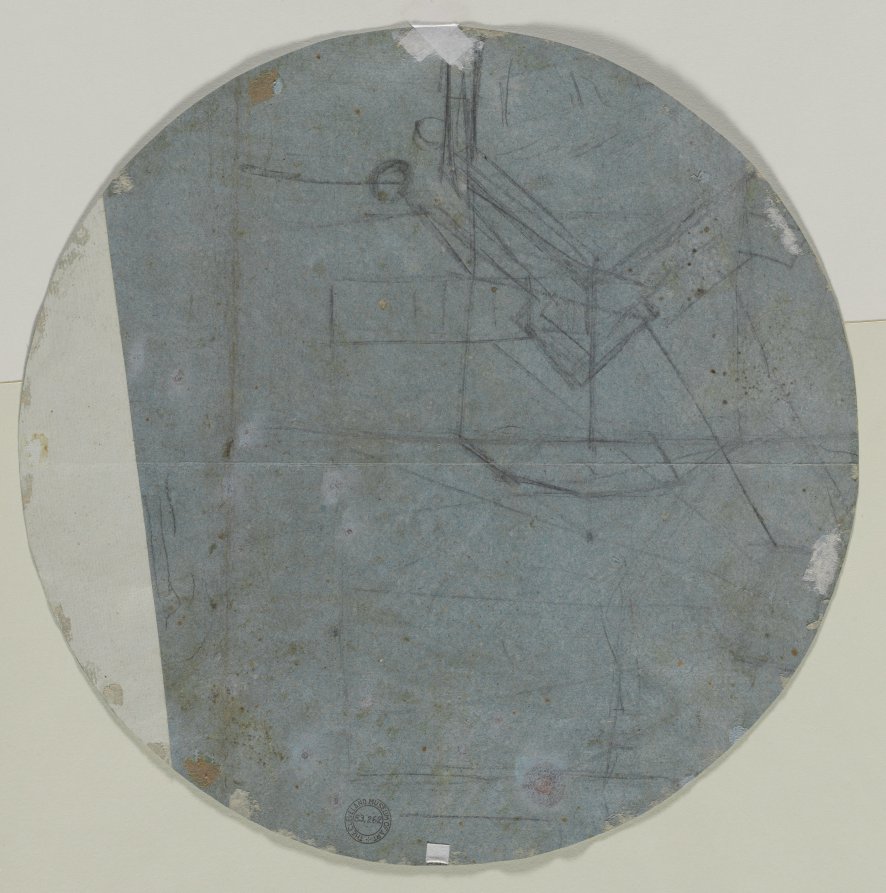
Architectural Sketch(?) (verso), second half 17th century, by Giovanni Battista Benaschi
Giovanni Battista Benaschi · The Cleveland Museum of Art · Dudley P. Allen Fund
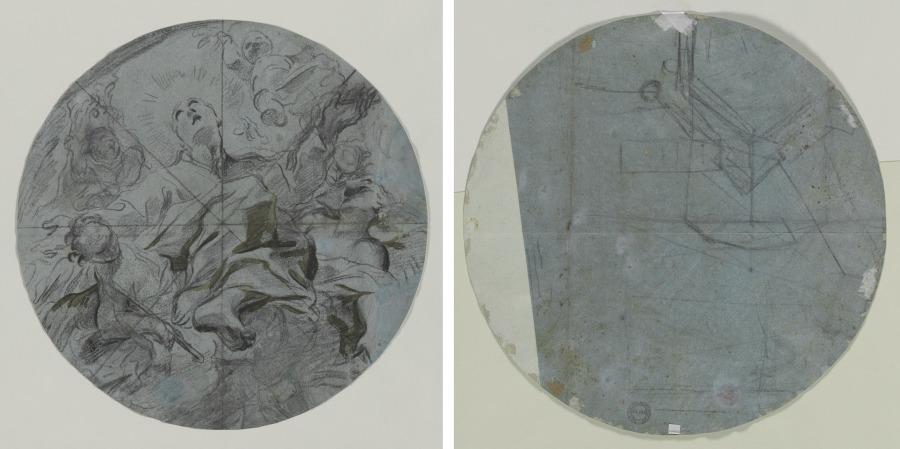
Apotheosis of a Saint (recto); Architectural Sketch(?) (verso), second half 17th century, by Giovanni Battista Benaschi
Giovanni Battista Benaschi · The Cleveland Museum of Art · Dudley P. Allen Fund
Key facts
Key facts
• Name — Giovanni Battista Benaschi • Born — 1636 • Birthplace — Turin, Duchy of Savoy • Died — 28 September 1688 • Place of death — Naples, Kingdom of Naples • Known for — Painting • Movement — * Mannerism • Baroque • Training — Pietro del Pò
Life
Life
He was born in Turin. He first trained in the Piedmont, under a painter by the name of Spirito, then was the main pupil of Pietro del Pò in Rome. Titi gave some details of his activity in Rome and he mentioned the following works: the Annunciation, the Crucifixion and the St. Michael who Defeats the Rebel Angels in San Bonaventura al Palatino; the frescoed Fortress in a vault of the left aisle of San Carlo al Corso; the two paintings depicting Daniel in the Lions' Den and the Resurrection of Lazarus, the frescoes with Eternal Father in Glory and the Assumption in the choir of Santa Maria del Suffragio (dating to shortly after 1662). Some other work performed for private individuals and today no longer traceable were mentioned in the Lives of Pascoli. In the paintings mentioned above he showed a marked influence of Lanfranco's painting, although Benaschi could not have studied under the master, since Lanfranco died in 1647. The master's influence persisted and was enriched with new ideas during his stay in Naples, which began around 1664, the year in which he decorated, with a Life of San Nicola, the small, no longer extant, church of St. Nicola alla Dogana. As did many other aspiring artists, Benaschi drew inspiration from the Carracci frescoes from the Farnese Gallery, from the statues in the Belvedere at the Vatican Palace, paintings from San Carlo de' Catinari and the works of Lanfranco from the church of Sant Andrea della Valle. Among his patrons were Giovanni Battista Cesalassi and the Jurist Alberetti. In Naples, he painted several ceilings and frescoes, for example at the Chiesa di Santa Maria in Portico, and the cupula of Santi Apostoli. He completed an etching of a Holy Family, after Giovanni Domenico Cerrini, who was his intimate friend. Relative to Lanfranco's style, Benaschi lightened the tints and attenuated the graphic prominence of the contours of the figures in order to achieve greater chromatic fusion and a more rough pictorialism. This style manifested in the frescoes of the chapel of Santa Maria La Nova (Death of Saint Anne, St Paul Preaching, St Louis of Toulouse Shows the Bull of Indulgences to the People), in the paintings of the chapel of St Michael in the church of the Santi Apostoli, then in the fresco executed in the dome of this same church (1680, with the collaboration of Orazio Frezza), and then in the Saints on the front arches of the chapel of the church of the Gerolamini (1681). Being ill he retired to live in the convent of Santa Maria delle Grazie in Caponapoli where he decorated the church with a vast cycle of frescoes executed with the help of Orazio Frezza and Giuseppe Castellano and depicting episodes from the Life of Christ and Virgin. During a hospitalization in that monastery, he died on the 28th of September 1688. He had a daughter, Angela, born in Turin in 1666 and died in Rome in 1746, also a painter who was appreciated by her contemporaries - and especially by Pascoli - as a portraitist: at the moment, however, no work of hers is known. Among his pupils was Orazio Frezza.
Gallery
Gallery
• Illustration — The Deploration of Abel, Real Academia de Bellas Artes de San Fernando, Madrid • Illustration — The Sacrifice of Isaac, Musée des Beaux-Arts de Brest • Illustration — Head of Christ, priv. col. • Illustration — Mythological scene, oil on canvas, priv. col. • Illustration — Head of an Apostle, National Trust • Illustration — Allegory of Time (Detail), Palazzo Buonaccorsi, Macerata
Life and career
Dated record
Life and career
The full dated record · 2 entries
1636
Giovanni Battista Benaschi was born on 1 January 1636.
1688
Giovanni Battista Benaschi died on 28 September 1688.
Places
Named by the record
Places
Only places the record itself states, plotted where the house gazetteer settles their coordinates. Nothing is inferred from a name or a nationality.
Turin.
Birth place
Naples.
Death place
Primary material
Documents and archives
reference work
- “Giovanni Battista Benaschi”, English Wikipedia, consulted as further reading
Reputable secondary · Wikipedia
authority record
- Wikidata, structured authority record Q3107038: Giovanni Battista Benaschi
General reference · Wikidata
References
Citations
References
Each reference names the institution holding it, so a reader may go to the document itself.
reference work
Secondary witnessauthority record
General reference
Further particulars
Held on the record
Further particulars
Open the remaining particulars
The authorities additionally record the headings Giovanni Battista Beinaschi, Cavalier Giovanni Battista Benasco, Giovanni Batta Binasco, Giovanni Battista Benazzo and Giovanni Battista Benacco. One child is recorded: Angela Beinaschi.
Identity and origins
Recognition and collections
Work by Giovanni Battista Benaschi is
National Gallery of Canada, Hessen Kassel Heritage, John and Mable Ringling Museum of Art and Royal Academy of Fine Arts of San Fernando
The Encyclopedia exists whether or not anything is for sale. Corrections are recorded rather than overwritten, and every version of this record is kept. Published 16 August 2026.
Elsewhere in Paintings
18,792 published records in this field, each with its sources named.
- Giovanni BaronzioArtist
- Giovanni BartolenaArtist
- Giovanni Battista AlberoniArtist
- Giovanni Battista ArmeniniArtist
- Giovanni Battista BertucciArtist
- Giovanni Battista BertusioArtist
- Giovanni Battista BiscarraArtist
- Giovanni Battista BissoniArtist
Best supported in this field
For owners
Own a work by Giovanni Battista Benaschi?
A specialist will read what you send and tell you what the house can establish, what it cannot, and whether the object is suited to sale. There is no charge and no obligation. The object stays with you throughout; nothing is shipped to us unless it is arranged in writing beforehand.