
Gigi Chessa
Luigi Maria Giorgio Chessa (1898–1935) was an Italian painter, architect, scenic designer, and potter (ceramics painter).
Also recorded as Luigi Chessa · Luigi Maria Giorgio Chessa
Gigi Chessa
sailko · I, Sailko · CC BY-SA 3.0
- Born
- 1898 · Turin.
- Died
- 1935 · Turin.
- Nationality
- Kingdom of Italy
- Occupation
- painter · scenographer · costume designer · ceramicist
- Education
- Accademia Albertina
VALÉORINE Encyclopedia
VALÉORINE documentary reading
Documentary summary
Luigi Maria Giorgio Chessa (1898–1935) was an Italian painter, architect, scenic designer, and potter (ceramics painter).
Admitted source layer · organised and presented by VALÉORINE
Reference Check
Propose documentary evidence for Gigi Chessa. A contribution is never written directly as fact: identity, source, rights and evidence gates still decide.
Sign in to contribute
World of VALÉORINE
Documentary connections
Only confirmed graph relationships appear here. Images are shown only when their identity and reuse rights both pass the documentary gate.
Documentary evidence
Documentary basis
Authority files
gnd · 516969-0 · wikidata · Q25021043 · wikipedia · Gigi Chessa
In this article
Biography
Biography
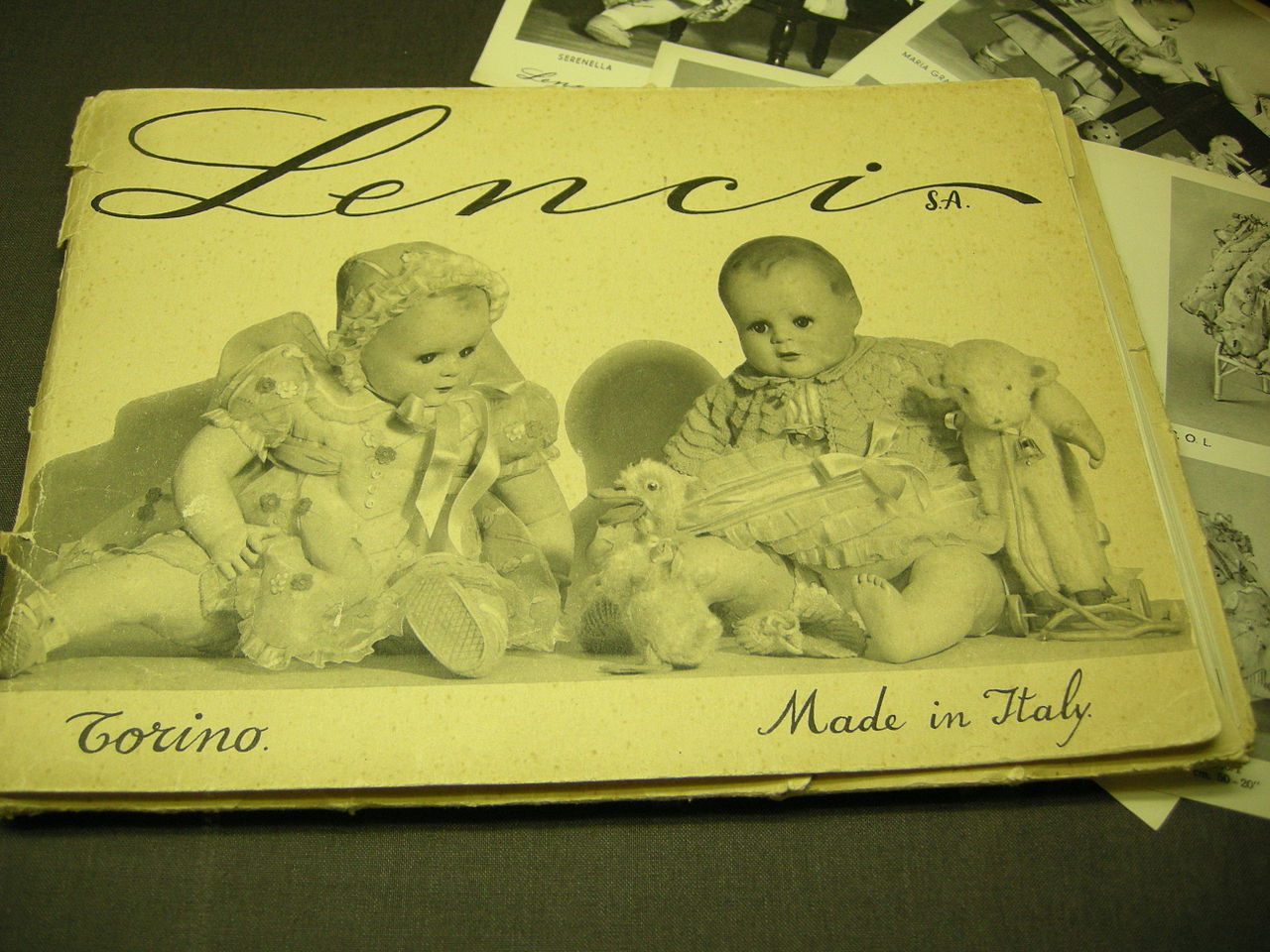
He was born in Turin, where he first trained under his father Carlo Chessa. He attended the Accademia Albertina, first training under Agostino Bosia, but later he was a pupil and protege of Felice Casorati. In 1920, he moved to Anticoli Corrado. By 1922, he began a long collaboration with the "Lenci" company of Turin producing ceramics. In 1925, he helped design the sets for the presentation in Turin of L'Italiana in Algeri. In 1926, he traveled to New York to design sets for the Metropolitan Theater. The next year he was made professor of Scenography for the Scuola Superiore di Architettura of Turin. In 1927, he participated in the III Biennale di Monza, and at the Exposition d'Artistes Italiens Contemporaines in Geneva, and the Promotrice of Turin. In 1928, he exhibited at the Venice Biennale. In 1929, he was one of the founders of the Gruppo dei Sei of Turin, a group of expressionist painters active mainly in Turin. The group was formed of Jessie Boswell (1881–1956), Nicola Galante (1883–1969), Carlo Levi (1902–1975), Francesco Menzio (1899–1979), and Enrico Paulucci Delle Roncole (1901–1999). The group exhibited together for about two years, and dissolved after criticism from fascist authorities. He continued to exhibit during the early 1930s, until his death from tuberculosis in 1935, in Turin. His widow, and mother of his two children, would later marry Menzio.

Gigi Chessa, Figura con cappello
Gigi Chessa (1898 - 1935) · [1]

Gigi Chessa, Nudo femminile
Gigi Chessa (1898 - 1935) · [1]
Life and career
Dated record
Life and career
The full dated record · 2 entries
1898
Gigi Chessa was born in 1898 at Turin.
1935
Gigi Chessa died in 1935 at Turin.
Primary material
Documents and archives
reference work
- “Gigi Chessa”, English Wikipedia, consulted as further reading
Reputable secondary · Wikipedia
authority record
- Wikidata, structured authority record Q25021043: Gigi Chessa
General reference · Wikidata
References
Citations
References
Each reference names the institution holding it, so a reader may go to the document itself.
reference work
Secondary witnessauthority record
General reference
Further particulars
Held on the record
Further particulars
Open the remaining particulars
Gigi Chessa is recorded with the occupation costume designer. Recorded as painter, scenographer, costume designer and ceramicist.
The Encyclopedia exists whether or not anything is for sale. Corrections are recorded rather than overwritten, and every version of this record is kept. Published 16 August 2026.
Elsewhere in Ceramics
1,104 published records in this field, each with its sources named.
- Gertrud NatzlerArtist
- Gertrud VasegaardArtist
- Giacomo BallaArtist
- Giacomo BoselliArtist
- Gil CuadrosArtist
- Gilbert BayesArtist
- Giorgio AndreoliArtist
- Giovanni della RobbiaArtist
Best supported in this field
For owners
Own a work by Gigi Chessa?
A specialist will read what you send and tell you what the house can establish, what it cannot, and whether the object is suited to sale. There is no charge and no obligation. The object stays with you throughout; nothing is shipped to us unless it is arranged in writing beforehand.