
Domenico Tintoretto
Illustration — Domenico Tintoretto, Tancred Baptizing Clorinda, Museum of Fine Arts (Houston), 1585 Domenico Robusti, also known as Domenico Tintoretto (1560 – 17 May 1635), was an Italian painter from Venice. He grew up under the tutelage of his father, the renowned painter Jacopo Tintoretto.
Also recorded as Tintoretto Giovine · Figliolo del Tintoretto · Domenico Tintoretto il Giovane · Domenico Robusti Tintoretto
Domenico Tintoretto
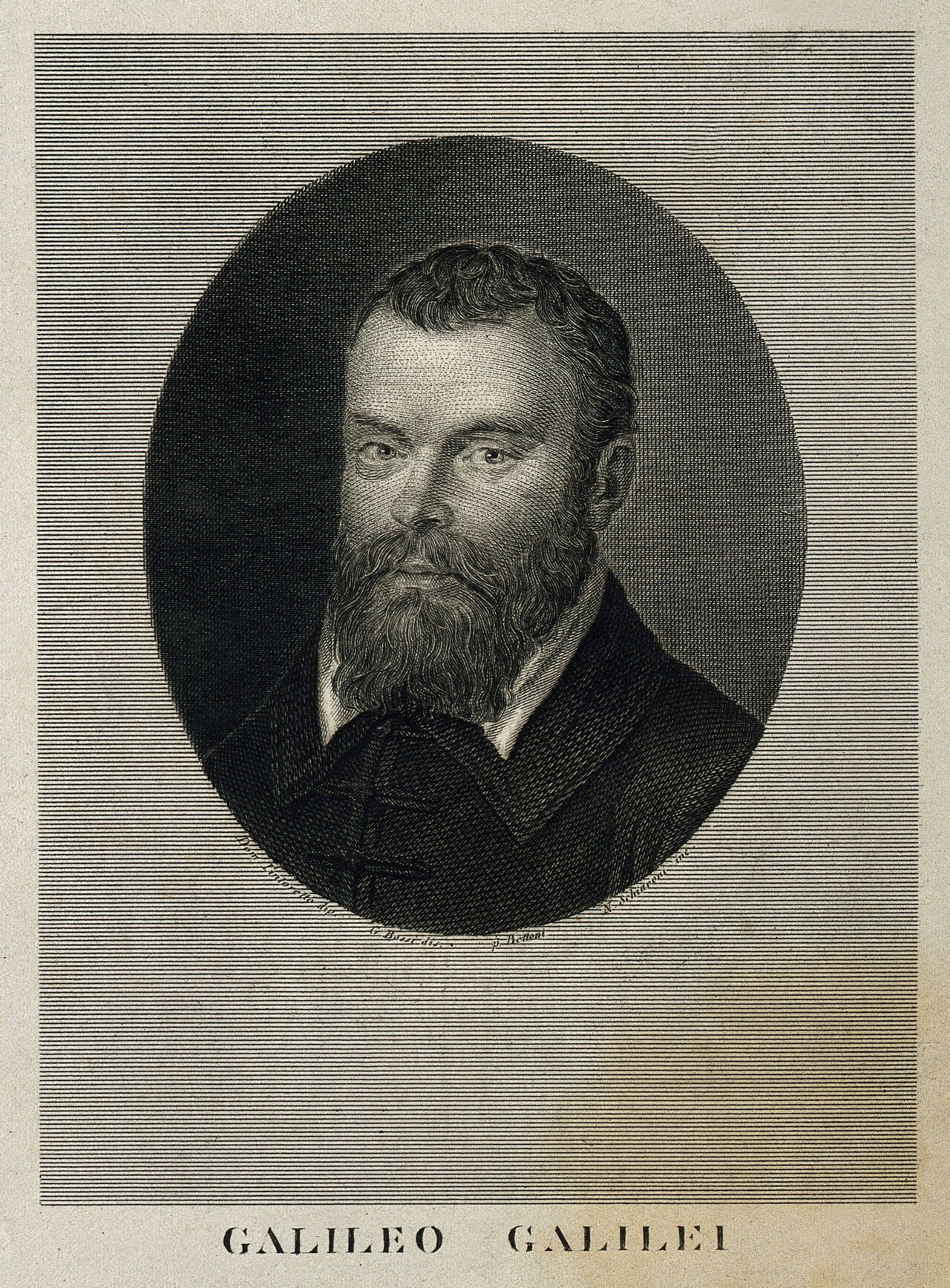
Domenico Tintoretto · Wellcome Collection, London · Wellcome Collection · Public Domain Mark
- Born
- 1560 · Venice.
- Nationality
- Republic of Venice
- Occupation
- painter
- Fields
- visual arts
- Known for
- Portrait of a Young Man and possibly G. Pesaro · Adoration of the Magi · Annunciation and Three Avogadri · Lady uncovering her breast
- Languages
- Italian
VALÉORINE Encyclopedia
VALÉORINE documentary reading
Documentary summary
Illustration — Domenico Tintoretto, Tancred Baptizing Clorinda, Museum of Fine Arts (Houston), 1585 Domenico Robusti, also known as Domenico Tintoretto (1560 – 17 May 1635), was an Italian painter from Venice. He grew up under the tutelage of his father, the renowned painter Jacopo Tintoretto.
Admitted source layer · organised and presented by VALÉORINE
Note VALÉORINE
No house-authored Note is published until its assertions and sources pass the VALÉORINE evidence contract. The documentary article remains available in full while that enrichment is being consolidated.
Documentary enrichment in progress · no unsupported statement published
Reference Check
Propose documentary evidence for Domenico Tintoretto. A contribution is never written directly as fact: identity, source, rights and evidence gates still decide.
Sign in to contribute
Documentary evidence
Evidence Panel
wikipedia incomplete · checked 25 September 2026
- Identity
- resolved
- Independent source families
- 0
- Admitted assertions
- 0
- Open conflicts
- 0
Authority files
wikidata · Q706519 · wikipedia · Domenico Tintoretto
In this article
Apprenticeship
Apprenticeship
The recorded working language is Italian. The field of work recorded is visual arts. Places of work recorded in the authority are Mantua, Ferrara and Venice. Works named in the authority record are Portrait of a Young Man, possibly G. Pesaro, Adoration of the Magi, Annunciation and Three Avogadri and Lady uncovering her breast. Work by Domenico Tintoretto is recorded in the collections of Museum Boijmans Van Beuningen, Städel Museum, Museo del Prado, Art Institute of Chicago and Nationalmuseum.
• Illustration — Portrait of Galileo Galilei, National Maritime Museum, 1605–1607 Domenico was born in Venice, Jacopo Tintoretto's oldest son. At age 17, he became a member of the Venetian painter's guild and, to further his training, worked alongside his father executing paintings in the Doge's Palace in Venice. Domenico then began to work independently in the palace, focusing his work on historical themes, including complex arrangements of multiple figures in battle scenes. But throughout his life, Domenico also painted several religious commissions. Some of his celebrated altarpieces include St. George Killing the Dragon in San Giorgio Maggiore, the Translation of the Body of St. Mark to Venice in the Scuola Grande di San Marco, An Apparition of St. Mark in St Mark's Basilica, and altarpieces in Modena and Rimini. Of further note are Domenico's murals in the Doge's Palace and the Scuola Grande di San Giovanni Evangelista, and the Plague of Venice in San Francesco della Vigna.
Portraiture
Portraiture
• Illustration — Penitent Magdalene It is argued that Domenico's greatest contribution to the history of painting resides in his portraiture. Domenico painted Margaret of Austria who became Queen of Spain through her marriage to Philip III. Other commissioned portraits include the Duchess Margarita, the widow of Duke Alfonso II of Ferrara, the Doge Pasquale Cicogna, Doge Marino Grimani, Marcantonio Memmo, Giovanni Bembo, Luigi d'Este, the Count d’Aron and Vincenzo Gonzaga, Duke of Mantua. According to Carlo Ridolfi and the evidence of surviving portraits such as that of Sir John Finet, future Master of Ceremonies to Charles I, he painted many English visitors to Venice, including the Collector Earl of Arundel and his wife and children.
Individual style
Individual style
When Jacopo died in 1594, Domenico handily took over the running of the studio of Tintoretto, with the help of his younger brother Marco, and his assistant Bastian Casser. While Domenico's early work continued on in the vein of his father's artistic vision, coupling phosphorescent colours with figure-laden compositions, his own artistic personality eventually emerged in a tendency to give more focus to landscapes within a composition, or background details. Jacopo's drawings relied heavily on gestural line work, but Domenico's drawings tended towards a chiaroscuro modelling of forms. Though Domenico worked as an artist in the shadow of his father, at times his work was undeniably superior to that of Jacopo Robusti. One example of this success is in the painting Portrait of a Senator. In this portrait, Domenico goes beyond rendering physical likeness and social status and achieves the Renaissance ideal of capturing the individuality of the sitter, an accomplishment that places him in the tradition of Rembrandt, Velasquez or Titian.
Assessment
Assessment
• Illustration — Portrait of a Gentleman
Attribution
Attribution
The attribution of paintings from the Tintoretto studio is a subject of scholarly debate in determining which paintings were executed by the father and which by his son. But one such scholar takes this debate of attribution a step further. E. Tietze-Conrat finds Domenico's painting to be so accomplished that she suggests that the Venus with Lute Players, typically attributed to Titian, could perhaps actually be the work of Domenico. When Joachim von Sandrart visited Venice in 1628, he writes of acquiring a painting that he assigns to "Jacopo Tintoretto the Younger" and describes the painting as a Venus reclining on a velvet couch flanked by Cupid with a wreath of laurel and a courtier playing a lute.
Heir to studio
Heir to studio
At age seventy-four Domenico was stricken with apoplexy and lost the use of his right hand. Though he attempted to paint with his left hand, this proved unsuccessful. Domenico had toyed with the idea of giving the studio to its present painters for the formation of an academy, but eventually, his vexation with these painters caused him to bequeath all to Sebastiano Casser. Sebastiano, of German descent, married Domenico's sister and eventually adopted the Tintoretto name. He continued to maintain the shop as a studio and a museum after the death of Domenico in 1635 and Marco in 1637. Domenico died at the age of seventy-five and was buried near his father in Santa Maria dell'Orto.
Gallery
Gallery
• Illustration — Marco Barbarigo • Illustration — Francesco Donato • Illustration — Giovanni Mocenigo • Illustration — Antonio Grimani • Illustration — Giovanni Gritti • Illustration — Resurrection and Three Avogadori • Illustration — Annunciation and Three Avogadri • Illustration — Battle of Salvore • Illustration — Penitent Magdalene • Illustration — Allegory of Vigilance • Illustration — Venetian Senator • Illustration — Portrait of Mancio Itō, a Japanese from the Tenshō Embassy
Thematic influences
In Domenico's youth, he devoted some time to the study of literature which would inform his poetical, historical and moral themes. He painted four canvases from Ludovico Ariosto on the subject of Verginella and from Lucretius and Marino he painted a man sitting on a cradle with one foot on the edge of a tomb, implying, "From the cradle to the grave life is but a short step".
Primary material
Documents and archives
reference work
- “Domenico Tintoretto”, English Wikipedia, consulted as further reading
Reputable secondary · Wikipedia
authority record
- Wikidata, structured authority record Q706519: Domenico Tintoretto
Unverified · Wikidata
Citations
References
Each reference names the institution holding it, so a reader may go to the document itself.
reference work
Partially resolvedauthority record
Unverified
The Encyclopedia exists whether or not anything is for sale. Corrections are recorded rather than overwritten, and every version of this record is kept. Published 14 August 2026.
Elsewhere in Paintings
18,623 published records in this field, each with its sources named.
- Domenico PuligoArtist
- Domenico Quaglio the YoungerArtist
- Domenico RiccioArtist
- Domenico SomedaArtist
- Domenico TojettiArtist
- Domenico Udine NaniArtist
- Domenico VenezianoArtist
- Domenico ZancontiArtist
Best supported in this field
For owners
Own a work by Domenico Tintoretto?
A specialist will read what you send and tell you what the house can establish, what it cannot, and whether the object is suited to sale. There is no charge and no obligation. The object stays with you throughout; nothing is shipped to us unless it is arranged in writing beforehand.