
William Spence
William Spence (1806 - 22 June 1883) was an architect based in Glasgow. • Illustration — Rhu parish church, 1847 • Illustration — Arrochar Church, 1859-60 • Illustration — Clydesdale Bank, High Street, Dundee 1876
William Spence
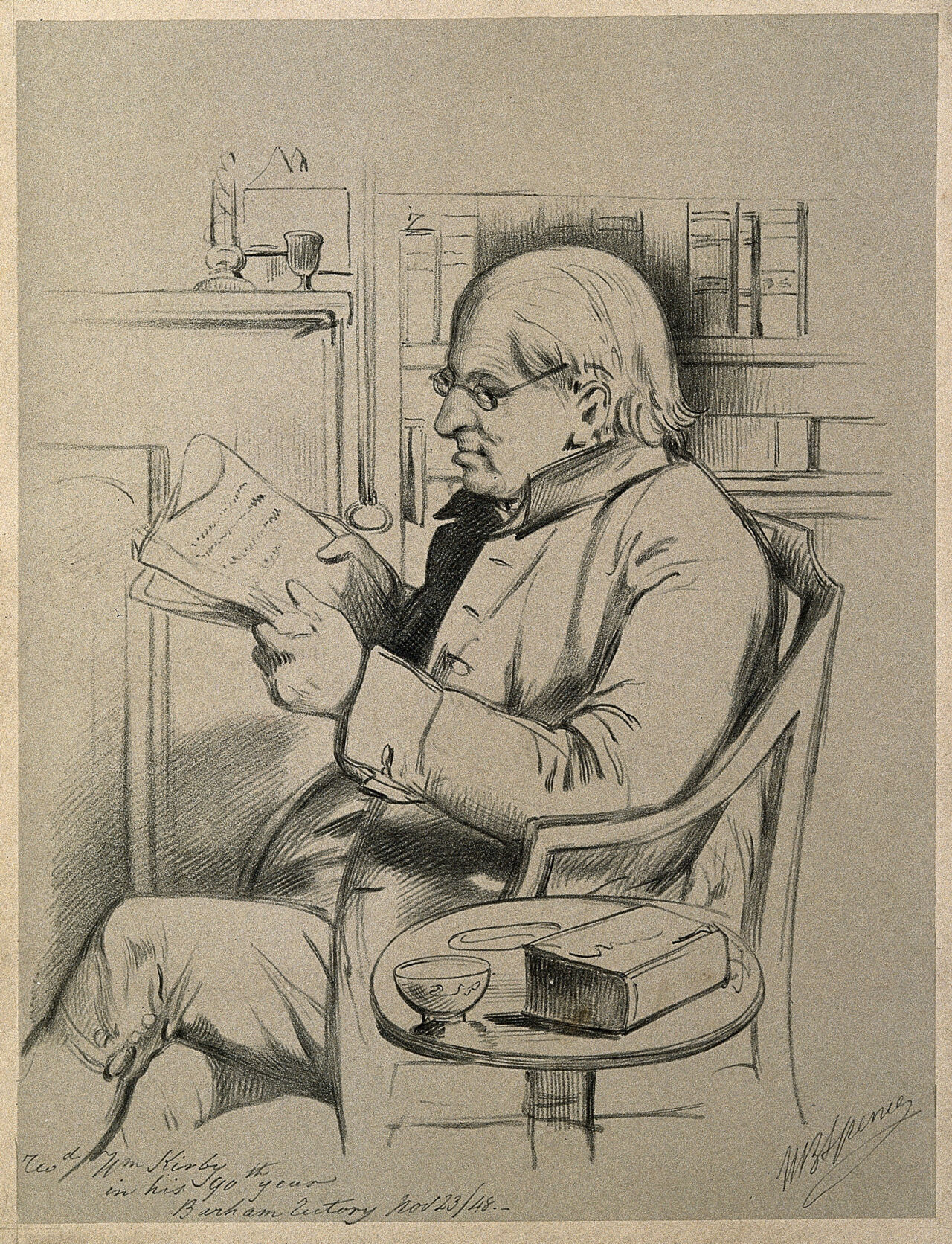
William Spence · Wellcome Collection, London · Wellcome Collection · Public Domain Mark
- Born
- 1806 · Carstairs.
- Died
- 1883
- Occupation
- architect · artist
Reference Check
Propose documentary evidence for William Spence. A contribution is never written directly as fact: identity, source, rights and evidence gates still decide.
Sign in to contribute
World of VALÉORINE
Documentary connections
Only confirmed graph relationships appear here. Images are shown only when their identity and reuse rights both pass the documentary gate.
Documentary evidence
Documentary basis
Authority files
wikidata · Q84557206
In this article
Background
Background
He was born in 1806 at Carstairs, the second son of John Spence (1775-1849) (shoemaker) and Margaret Kane (1778-1820). He married Margaret Field (1824-1879) on 12 December 1843 at Barony, Lanark and they had five children: • Marion Spence (b. 1847) • John William Spence (b. 1854) • Henry Field Spence (b. 1856) • Margaret B Spence (b. 1858) • Jane Spence He died on 22 June 1883 at Helensburgh, Argyll and Bute.
Career
Career
He trained in the offices of William Burn and David Bryce with John Bryce before establishing his own practice around 1837. Around 1839 he was based at 34 Glassford Street in Glasgow. By 1844 he had moved to 141 Buchanan Street, Glasgow, but by 1852 he was in business at 97 Union Street. In 1860 he settled at 52 Renfield Street, Glasgow. In 1857 he was commissioned for a feuing plan to develop the upper areas of Helensburgh. His wife Margaret died in 1879 and this may have prompted him to retire at the end of the same year. His son Henry continued the practice.
Works
Works
• Two houses, Springvale, Glasgow 1837 • Coulter Mains, Culter, Lanarkshire, 1838 • Theatre Royal, Dunlop Street, Glasgow 1839-40 (destroyed by fire in 1863, demolished 1879) • Dalmarnock Gas Works, 122 Old Dalmarnock Road, Dalmarnock 1843 • The City Theatre, Glasgow Green 1844 (demolished 1845) • United Secession Church (later the church hall for St Columba’s Church), King Street West, Helensburgh 1845 • Rhu Parish Church, 1847 • MacIntyre’s Corner, High Street, Glasgow ca. 1850 (demolished 1949) • Chapelacre House, Helensburgh, Dunbartonshire 1850 • Paisley’s Warehouse, 72 Jamaica Street, Glasgow 1854-56 (demolished ca. 1989) • Building at the junction of Cowcaddens Street and Hope Street, Glasgow 1855 • Gilford Castle, Gilford, County Down 1855 • Elmfield House, Gilford, County Down 1856 • Kinblethmont House, Arbroath, Angus 1856-59 • Peden Cross Building, Dumbarton Road and Elderslie Street, Cranstonhill, Glasgow 1856 • East Thorn Villa, New London Road, Toll Cross, Glasgow 1857 • House for himself, Helenburgh 1858 • Randolph & Elder’s Engineering Works, 13-23 Tradeston Street, Glasgow 1858 (demolished 1970) • Arrochar Parish Church 1859-60 • Bridgend UP Church, West Bridgend, Dumbarton 1859-60 (replaced by a new church in 1886-88 and now used as the church hall) • Pier and Esplanade, Helensburgh 1859 • St Columba’s Church, Sinclair Street, Helensburgh 1860 • Western Concert Hall, Greenock, Renfrewshire 1860 • Baillieston UP Church, Baillieston, Glasgow 1864 • Cameron House, Dunbartonshire/Stirlingshire, 1866-67 (rebuilding after a fire) • Stewart & Macdonald’s Warehouse, 21-31 Buchanan Street and 8-28 Mitchell Street, Glasgow 1866 (also rebuilding and improvement in 1879) • Fraser & McLaren’s warehouse, 115-120 Argyle Street, Glasgow 1867 (Rear building. Rebuilt after a fire in 1872) • House, 1 East Montrose Street, Ardlui, Helensburgh, Dunbartonshire 1868 (latest) • Prince of Wales Theatre, Cowcaddens Street and Stewart Street, Glasgow 1869 (rebuilding after a fire) • Dunlossit House, Islay 1871-1874 • Glasgow Storage Company Warehouse, 250 Wallace Street, Glasgow 1871-72 • John Tod & Co Warehouse, 1-3 Moir Street, Glasgow 1873 • Arthur & Fraser, 14 Buchanan Street, Glasgow 1873 • Clydesdale Bank, 94-96 High Street and 52-54 Commercial Street, Dundee 1876 • Polytechnic Department Store, Jamaica Street, Glasgow 1876 • Tenement for Thomas Sharp, East Princes Street, Helensburgh 1877 • Villa for John Jack, Montrose Street, Helensburgh 1877 • Hermitage School, East Argyle Street, Helensburgh 1879-80 (all demolished 1977 except the Janitor’s House) • Rockmount, 108 Sinclair Street, Helensburgh 1879
Life and career
Dated record
Life and career
The full dated record · 2 entries
1806
William Spence born at Carstairs.
1883
William Spence died on 22 June 1883.
Text attribution
Licensing
Text attribution
Part of the biographical narrative on this page reuses licensed material. Its origin, revision and licence are recorded here.
The biographical narrative on this page is based on the Wikipedia article William Spence (architect), revision 1375960761 (EN edition), by its contributors. VALÉORINE has edited that text and built its own documentary record around it. The reused material is available under CC BY-SA 4.0, and this page's reuse of it is offered under the same licence. Everything else on this page — the chronology, the holdings, the evidence, the plates and the connections — is VALÉORINE's own record. Sources and licences.
References
Citations
References
Each reference names the institution holding it, so a reader may go to the document itself.
authority record
General reference
The Encyclopedia exists whether or not anything is for sale. Corrections are recorded rather than overwritten, and every version of this record is kept. Published 18 August 2026.
Elsewhere in Design
11,558 published records in this field, each with its sources named.
- William SimpsonDesigner
- William Sinclair, 1st Earl of CaithnessDesigner
- William SlaterDesigner
- William SmythDesigner
- William StarkDesigner
- William Stone PostDesigner
- William StrettonDesigner
- William Strudwick ArrasmithDesigner
Best supported in this field
For owners
Own a work by William Spence?
A specialist will read what you send and tell you what the house can establish, what it cannot, and whether the object is suited to sale. There is no charge and no obligation. The object stays with you throughout; nothing is shipped to us unless it is arranged in writing beforehand.