
William Bromley
William Bromley (1769–1842) was a British engraver. Bromley, who was born in Carisbrooke on the Isle of Wight, was apprenticed to an engraver named J G Wooding in London, and soon attracted favorable notice. • Illustration — The Reform Banquet at Guildhall, 11 July 1832, now at the National Portrait Gallery; based on The Reform Banquet by Benjamin Robert Haydon Of his early works the most popular are the prints in 'Macklin's Bible,' and his engravings of Stothard's designs illustrating the 'History of England.' He engraved also two of Sir Thomas Lawrence's portraits of the Duke of Wellington, and one of the young Napoleon. His sons, John Charles Bromley and James Bromley, were also engravers.
Also recorded as I William Bromley · William A. E. Bromley · William, I Bromley · William A. E. I Bromley
William Bromley
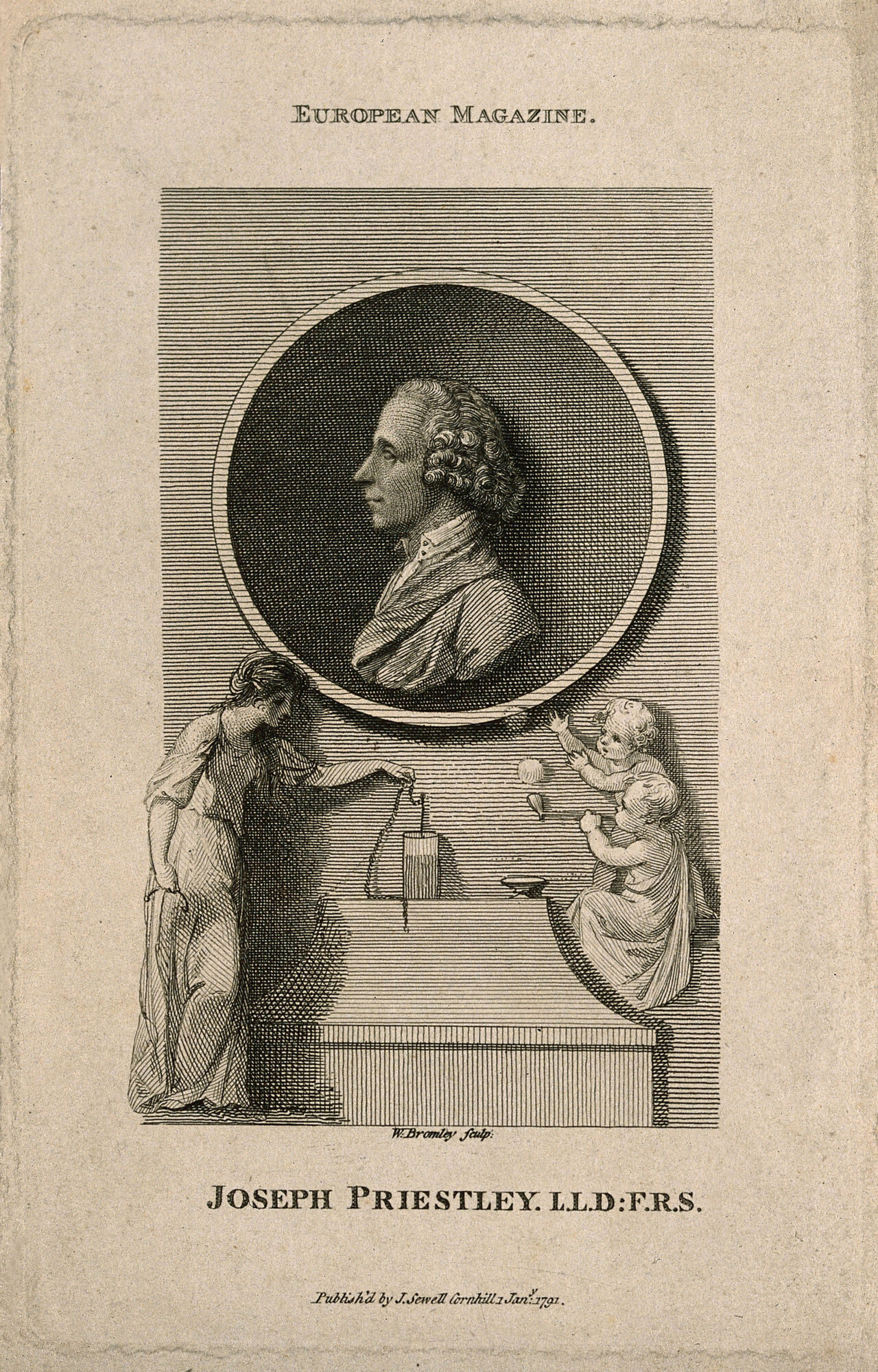
William Bromley · Wellcome Collection, London · Wellcome Collection · Public Domain Mark
- Born
- 1769. · Carisbrooke.
- Died
- 1842. · London.
- Nationality
- Kingdom of Great Britain and United Kingdom of Great Britain and Ireland.
- Occupation
- painter and engraver.
- Languages
- English.
Reference Check
Propose documentary evidence for William Bromley. A contribution is never written directly as fact: identity, source, rights and evidence gates still decide.
Sign in to contribute
World of VALÉORINE
Documentary connections
Only confirmed graph relationships appear here. Images are shown only when their identity and reuse rights both pass the documentary gate.

Documentary evidence
Documentary basis
Authority files
wikidata · Q8005977
VALÉORINE Encyclopedia
The documentary record
Statements marked “Documentary record” are set in the article beside the passage they confirm. Each is read from the authority records of the institutions named here; select “Prove” to see the record it was read from, where in that record, and when.
Institutions cited
Bibliothèque nationale de France · Getty Union List of Artist Names
Complete reading chain (JSON)In this article
Biography
Biography
His grandson, William Bromley III, was a painter.
The recorded working language is English. Places of work recorded in the authority are London. Work by William Bromley is recorded in the collections of Musée national des beaux-arts du Québec, Australian National Maritime Museum, Hunterian Museum and Art Gallery, Ackland Art Museum and Yale Center for British Art.
Documentary record
William Bromley was an engraver, reproductive printmaker and painter, born in 1769 in Carisbrooke and died in 1842. Both events are recorded by the Bibliothèque nationale de France and the Getty Union List of Artist Names.
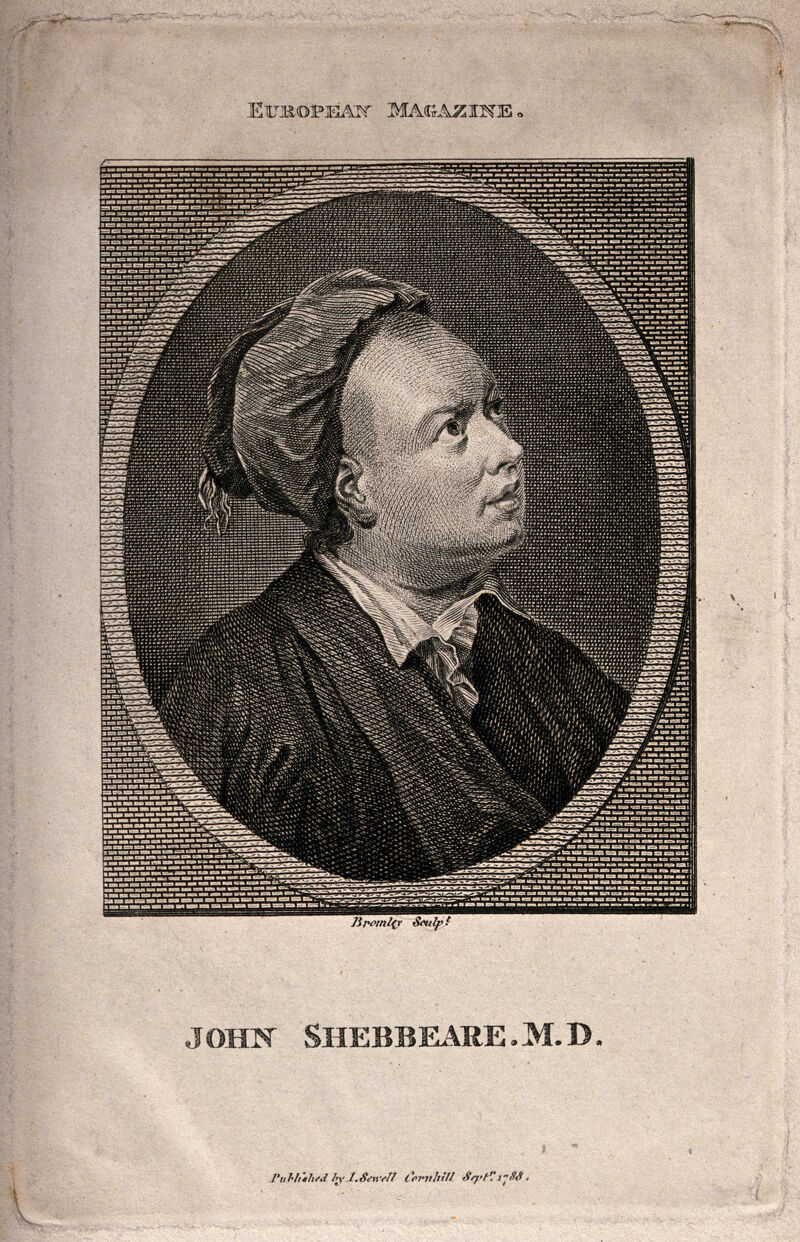
John Shebbeare. Line engraving by W. Bromley, 1788., by William Bromley
William Bromley · Wellcome Collection, London · Wellcome Collection
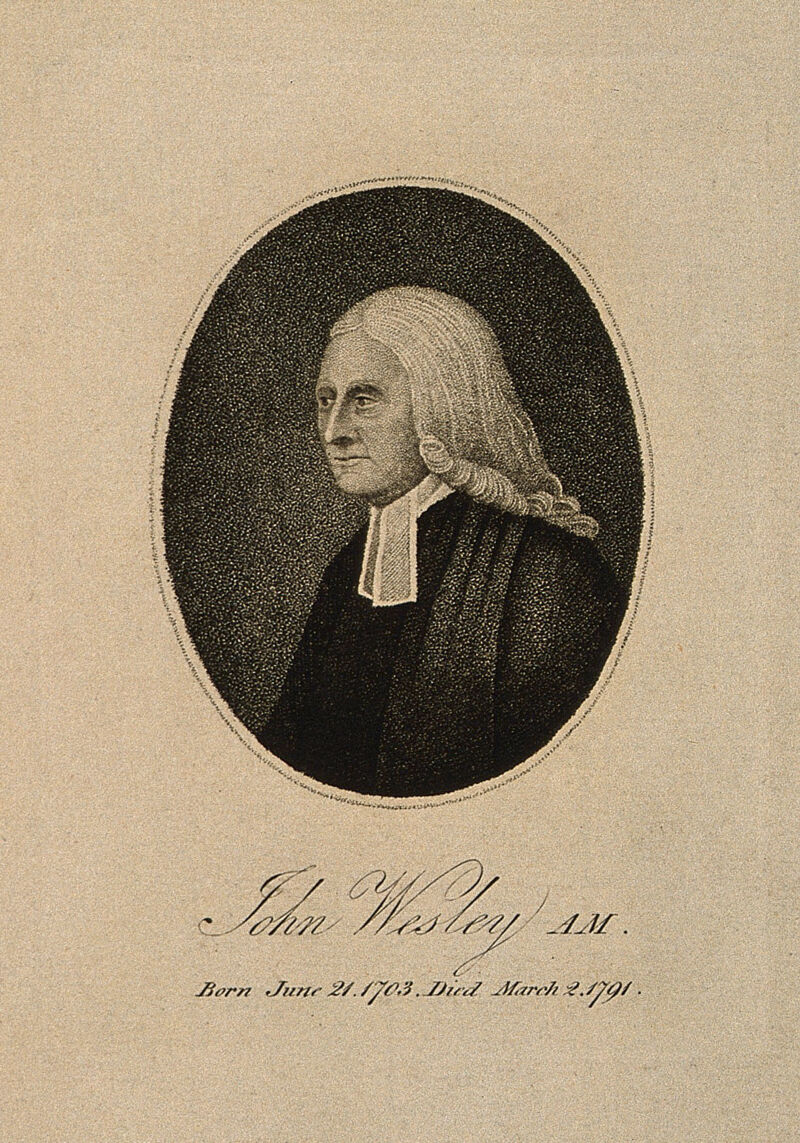
John Wesley. Line engraving by W. Bromley, 1791., by William Bromley
William Bromley · Wellcome Collection, London · Wellcome Collection
Life and career
Dated record
Life and career
Explore 1769–1842
The full dated record · 3 entries
1769
William Bromley born at Carisbrooke.
1792
Liberty, and equality, two sermons. By William Bromley Cadogan,... 1792 (1792) is digitised and catalogued by Internet Archive.
1842
William Bromley died at London.
Places
Named by the record
Places
Only places the record itself states, plotted where the house gazetteer settles their coordinates. Nothing is inferred from a name or a nationality.
Carisbrooke.
Birth place
London.
Death place
Holdings and surviving copies
Where the work is held
Holdings and surviving copies
Where material relating to William Bromley is held. The love of Christ the portion and principle of the children of God.
Documents and archives
Primary material
Documents and archives
scholarly publication
- Bromley, William (1769–1842), Oxford Dictionary of National Biography, 2017
Scholarly · Crossref registry · 2017
reference work
- Wikidata, structured authority record Q8005977: William Bromley
Reputable secondary · Wikimedia Foundation
Text attribution
Licensing
Text attribution
Part of the biographical narrative on this page reuses licensed material. Its origin, revision and licence are recorded here.
The biographical narrative on this page is based on the Wikipedia article William Bromley (engraver), revision 1368469722 (EN edition), by its contributors. VALÉORINE has edited that text and built its own documentary record around it. The reused material is available under CC BY-SA 4.0, and this page's reuse of it is offered under the same licence. Everything else on this page — the chronology, the holdings, the evidence, the plates and the connections — is VALÉORINE's own record. Sources and licences.
References
Citations
References
Each reference names the institution holding it, so a reader may go to the document itself.
scholarly publication
Institutional witnessreference work
Wikidata, structured authority record Q8005977: William BromleyWikimedia Foundation
Secondary witness
Further particulars
Held on the record
Further particulars
Open the remaining particulars
William Bromley is connected to 3 other published records in the VALÉORINE Encyclopedia.
Recognition and collections
Work by William Bromley is
Musée national des beaux-arts du Québec, Australian National Maritime Museum, Hunterian Museum and Art Gallery and Ackland Art Museum
Within the Encyclopedia
The Encyclopedia exists whether or not anything is for sale. Corrections are recorded rather than overwritten, and every version of this record is kept. Published 16 August 2026.
Elsewhere in Prints
4,138 published records in this field, each with its sources named.
- William BeilbyEngraver
- William Bernard CookeEngraver
- William Biscombe GardnerEngraver
- William BondEngraver
- William ByrneEngraver
- William CaslonEngraver
- William ClossonEngraver
- William DickesEngraver
Best supported in this field
For owners
Own a work by William Bromley?
A specialist will read what you send and tell you what the house can establish, what it cannot, and whether the object is suited to sale. There is no charge and no obligation. The object stays with you throughout; nothing is shipped to us unless it is arranged in writing beforehand.