
Pietro Rotari
Pietro Antonio Rotari (30 September 1707 – 31 August 1762) was an Italian painter of the Baroque period. Pietro Rotari was born in Verona, he led a peripatetic career, and died in Saint Petersburg, where he had traveled to paint for the Russian court. His portraits, mostly of women, are renowned for being beautiful and realistic.
Also recorded as Conte Pietro Rotari · Pietro Rotari Veronese · Pietro Antonio Rotari · Conte Pietro Antonio Rotari
Pietro Rotari
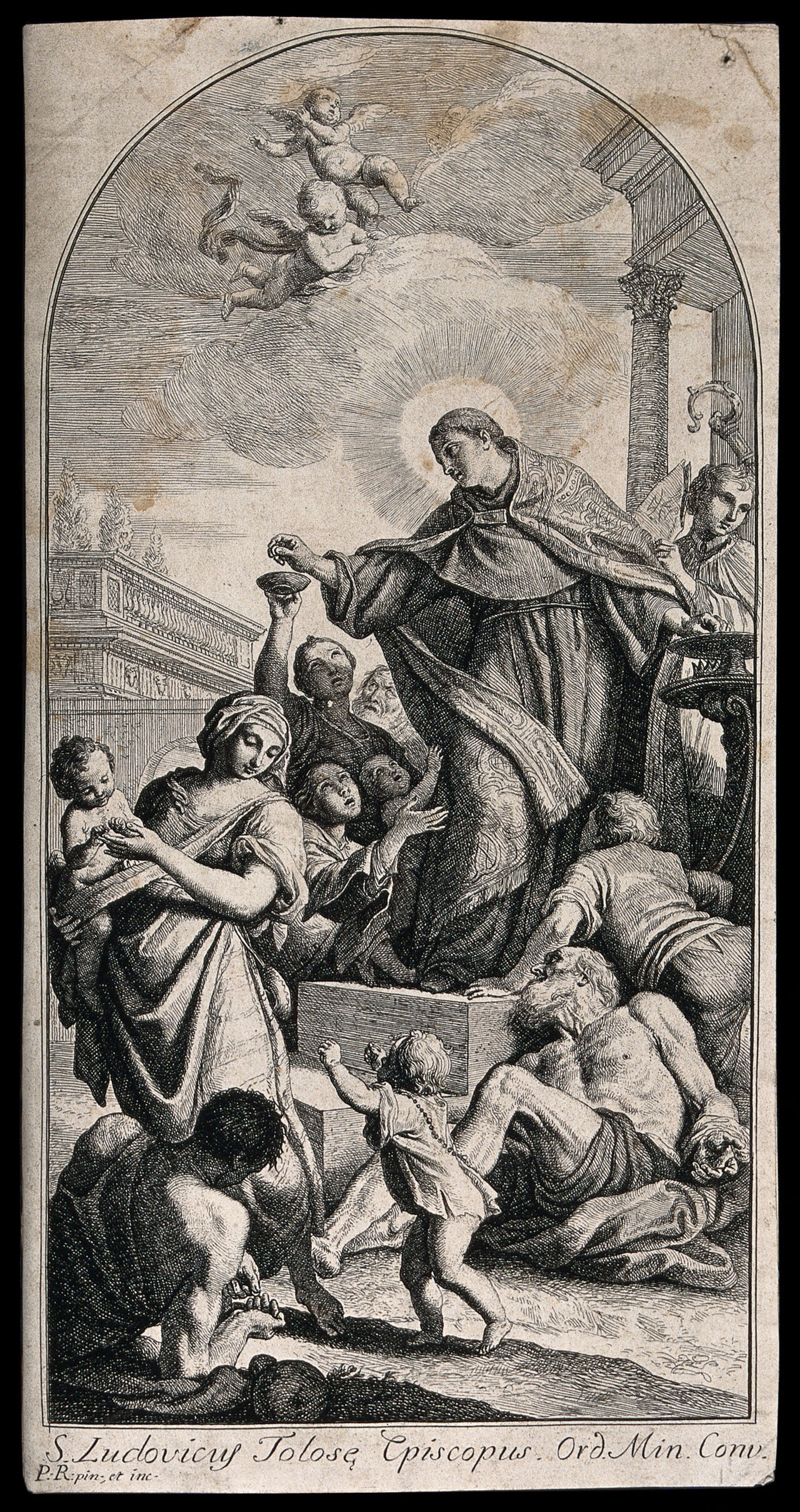
Pietro Rotari · Wellcome Collection, London · Wellcome Collection · Public Domain Mark
- Born
- 1707.
- Died
- 1762.
- Nationality
- Republic of Venice.
- Occupation
- painter and printmaker.
- Fields
- portrait.
- Movements
- Veronese school.
- Known for
- A young Woman, A Young Woman with a Book, Girl with Needle-work and Augustus III and his Family (series).
VALÉORINE Encyclopedia
VALÉORINE documentary reading
Documentary summary
Pietro Antonio Rotari (30 September 1707 – 31 August 1762) was an Italian painter of the Baroque period. Pietro Rotari was born in Verona, he led a peripatetic career, and died in Saint Petersburg, where he had traveled to paint for the Russian court. His portraits, mostly of women, are renowned for being beautiful and realistic.
Admitted source layer · organised and presented by VALÉORINE
Reference Check
Propose documentary evidence for Pietro Rotari. A contribution is never written directly as fact: identity, source, rights and evidence gates still decide.
Sign in to contribute
Documentary evidence
Documentary basis
Authority files
wikidata · Q1361950 · wikipedia · Pietro Rotari
In this article
Biography
Biography
He was initially a pupil of Antonio Balestra, but moved and lived in Venice from 1725 to 1727. He then joined the studio of Francesco Trevisani in Rome (1728–1732). Between 1731 and 1734, he worked with Francesco Solimena in Naples. He then returned then to Verona, where he started a studio. In 1750, he had moved to Vienna. In 1756, he was invited to Russia by the court of the Tsarina Elizabetta Petrovna. From there he moved to Dresden and to work with the court of Augustus III of Poland. He returned to St Petersburg to work with the court of Catherine II. He was much in demand as a portraitist, and painted royal families in Dresden and Saint Petersburg. He also painted the multi-figured altarpieces of the Four Martyrs (1745) for the church of the Ospedale di San Giacomo in Verona. He also painted an altarpiece of San Giorgio tempted to sacricifice to the Idols (1743) for the church of the same name in Reggio-Emilia, and an Annunciation (1738) for the main altar for the church of the Annunziata in Guastalla.
Life and career
Dated record
Life and career
The full dated record · 2 entries
1707
Pietro Rotari was born in 1707.
1762
Pietro Rotari died at Saint Petersburg.
Notes from the source article
Cited by Wikipedia
Notes from the source article
These works are cited by the source article, in its own numbering. They are recorded as its citations, not as sources VALÉORINE has verified.
References
Citations
References
Each reference names the institution holding it, so a reader may go to the document itself.
reference work
Wikidata, structured authority record Q1361950: Pietro RotariWikimedia Foundation
Secondary witnessreference work
Secondary witness
The Encyclopedia exists whether or not anything is for sale. Corrections are recorded rather than overwritten, and every version of this record is kept. Published 14 August 2026.
Elsewhere in Prints
4,138 published records in this field, each with its sources named.
- Pietro ErminiEngraver
- Pietro FontanaEngraver
- Pietro Francesco PrinaEngraver
- Pietro Giovanni AbbatiEngraver
- Pietro RugaEngraver
- Pietro Santi BartoliEngraver
- Pietro TestaEngraver
- Pio CaglieriEngraver
Best supported in this field
For owners
Own a work by Pietro Rotari?
A specialist will read what you send and tell you what the house can establish, what it cannot, and whether the object is suited to sale. There is no charge and no obligation. The object stays with you throughout; nothing is shipped to us unless it is arranged in writing beforehand.