
Pierre-Louis Pierson
Pierre-Louis Pierson (Hinckange (Moselle), 13 December 1822 – Paris, 22 March 1913) was a French portrait photographer. His studio was located at 5, boulevard des Capucines, on the border between the 2nd and 9th arrondissements in the centre of Paris.
Also recorded as Pierson Pierre-Louis · Pierre Louis Pierson
Pierre-Louis Pierson
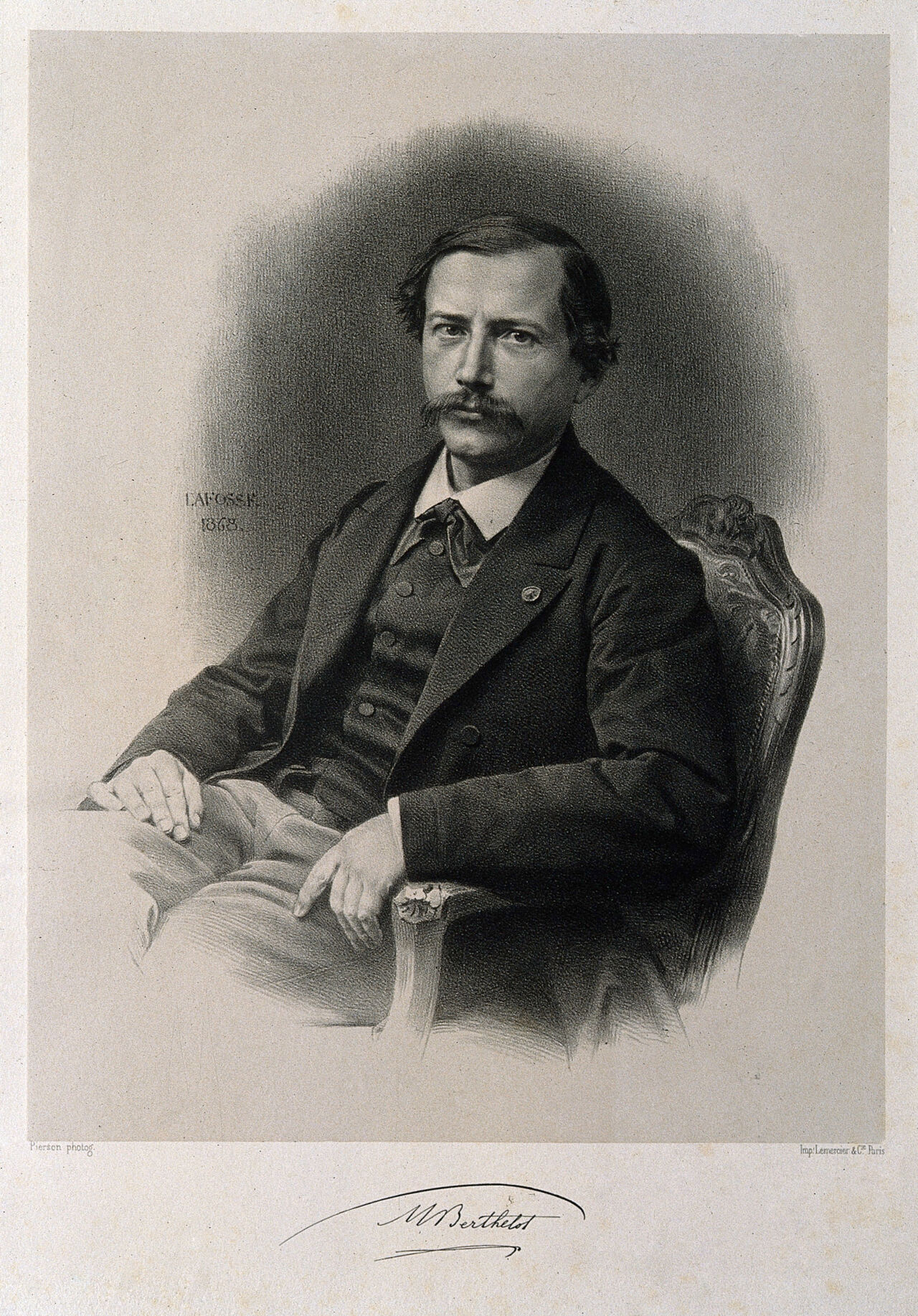
Pierre-Louis Pierson · Wellcome Collection, London · Wellcome Collection · Public Domain Mark
- Born
- 1822 · Hinckange.
- Died
- 1913 · 16th arrondissement of Paris.
- Nationality
- France
- Occupation
- photographer · entomologist
- Languages
- French
VALÉORINE Encyclopedia
VALÉORINE documentary reading
Documentary summary
Pierre-Louis Pierson (Hinckange (Moselle), 13 December 1822 – Paris, 22 March 1913) was a French portrait photographer. His studio was located at 5, boulevard des Capucines, on the border between the 2nd and 9th arrondissements in the centre of Paris.
Admitted source layer · organised and presented by VALÉORINE
Note VALÉORINE
Pierre-Louis Pierson (1822–1913) was a French entomologist and photographer. Born in Hinckange, the entomologist died in 16th arrondissement of Paris. Pierre-Louis Pierson worked in Paris.
Languages used include French. Works by the entomologist are held at Metropolitan Museum of Art, Musée de la civilisation and Museum of Modern Art, among others.
Composed from admitted, traceable facts · 01 October 2026
VALÉORINE
Reference Check
Propose documentary evidence for Pierre-Louis Pierson. A contribution is never written directly as fact: identity, source, rights and evidence gates still decide.
Sign in to contribute
World of VALÉORINE
Documentary connections
Only confirmed graph relationships appear here. Images are shown only when their identity and reuse rights both pass the documentary gate.
Documentary evidence
Documentary basis
Authority files
wikidata · Q3383295 · wikipedia · Pierre-Louis Pierson
In this article
Early life
Early life
The recorded working language is French. Places of work recorded in the authority are Paris. Work by Pierre-Louis Pierson is recorded in the collections of The Nelson-Atkins Museum of Art, Musée de la civilisation, Metropolitan Museum of Art, San Francisco Museum of Modern Art and J. Paul Getty Museum.
Pierson became interested in photography while the medium was in its infancy in the early 1840s. He had a photography studio in Paris as early as 1844, and enjoyed a solid reputation. For many years, he located his studio at 5, boulevard des Capucines, where he was associated with the Mayer brothers (Léopold-Ernest Mayer and Louis-Frédéric Mayer). At that address, their company grew into a formidable enterprise.
The Braun Company, 1878–1913
The Braun Company, 1878–1913
In 1878, Pierson went into partnership with his son-in-law Gaston Braun, the heir to the Braun Company and the brother-in-law of Léon Clément. They managed to resurrect the Société Adolphe Braun et Compagnie from the brink of collapse. From then on, Pierson's photographic collection belonged to Braun. In 1883, the Braun Company signed an exclusive thirty-year contract with the Louvre with the goal of reproducing photographically some 7,000 works of art. The photographs deposited into the inventory of the museum became the property of the French state, and in exchange, the Braun company became the official photographers for the Louvre. In 1889, the company became Braun, Clément & Compagnie. Their working studio was rebuilt and completely electrified between 1897 and 1899. In 1910, the company was renamed Braun et Compagnie. By this time, the company had opened already a branch studio in New York City and would open one in London the following year.
Gallery
Gallery
• Illustration — Victor Lefranc • Illustration — Victor de Persigny • Illustration — Adolphe Billault • Illustration — Camillo Cavour • Illustration — Luigi Lablache • Illustration — Eugène Chevandier de Valdrôme • Illustration — Patrice de Mac Mahon • Illustration — Duc de Morny • Illustration — Victor Duruy • Illustration — Charles Rigault de Genouilly • Illustration — Charles Cousin-Montauban • Illustration — Jean-Baptiste Philibert Vaillant • Illustration — Eugene Rouher
Expositions
Expositions
• 2000: Metropolitan Museum of Art, New York • 2000: Palazzo Cavour, Turin
Life and career
Dated record
Life and career
The full dated record · 2 entries
1822
Pierre-Louis Pierson was born on 13 December 1822.
1913
Pierre-Louis Pierson died at 16th arrondissement of Paris.
Places
Named by the record
Places
Only places the record itself states, plotted where the house gazetteer settles their coordinates. Nothing is inferred from a name or a nationality.
Hinckange.
Birth place
16th arrondissement of Paris.
Death place
Photographer of His Majesty the Emperor Napoléon III
Photographer of His Majesty the Emperor Napoléon III
Initially using the daguerreotype, the Pierson-Mayer studio became one of the first to specialise in portrait photography retouched with watercolour or oils. The French Emperor Napoléon III came to prefer their studio, particularly once he established the Second French Empire in 1852. Pierson created numerous portraits of the French Imperial family during the apex of the Second Empire. Between 1855 and 1862, at the peak of the Pierson-Mayer studio's prominence, people of all types came to have their pictures taken there, including the imperial court, the aristocracy, powerful businessmen, actresses and musicians. Pierson and the Mayer brothers photographed the kings of Württemberg, Portugal, and Sweden. Starting in 1862, their clientele became more varied, and by 1866, included people of all socioeconomic backgrounds.
Photographer of the Countess of Castiglione
Photographer of the Countess of Castiglione
• Illustration — Photograph of the Countess of Castiglione by Pierre-Louis Pierson in the 1860s. Pierson first met the Countess of Castiglione in 1856, and he would remain her official photographer for forty years. In 1867, Pierson exhibited his portrait of the countess posed as the Queen of Hearts in the French section of photography at that year's Exposition Universelle in Paris. Pierson and the countess began an intense photographer–model collaboration between 1861 and 1867, wherein she became a master of the art of mise-en-scène and developed roles of a madonna, battered woman, mother, and the high-styled woman dressed in extravagant outfits. In a playful atmosphere which was left largely to improvisation, the countess, with Pierson's help, created many different personalities. Dresses, hairstyles, and attitudes were all studied to dramatic effect. Thanks to the effects of mirrors, she could present different conceptions of the self at the same time. Certain studies show her hair extended; others, cropped. Always at her disposal, Pierson photographed her exposed legs and feet, which were considered erotic imagery, very daring for the time. Nonetheless, during the countess's lifetime these photos were hers and Pierson's secret. Between 1856 and 1895, the countess posed for more than 450 portraits. This frenetic series of photos, quite rare for the time, was one of the first examples of the photographic self-portrait.
Films
Films
• La Séance, 2015, short film by Edouard de La Poëze, starring Fanny Ardant and Paul Hamy
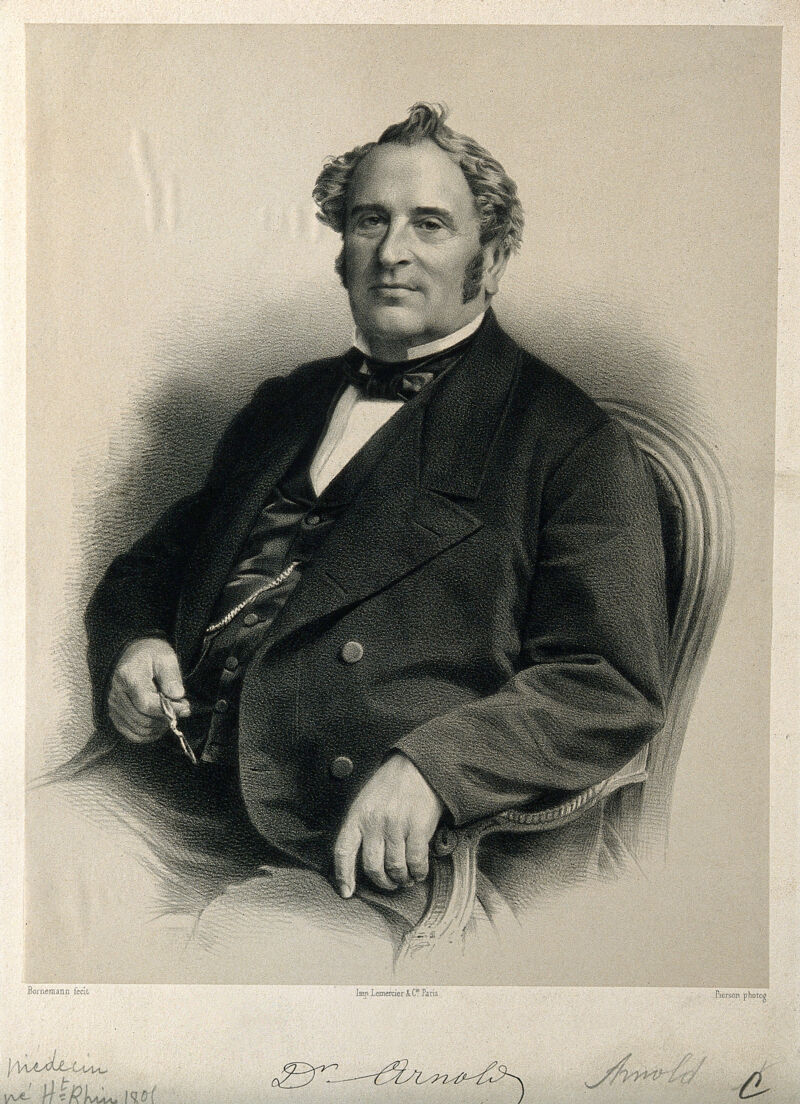
Friedrich Arnold. Lithograph by C. Bornemann, 1873, after P.L. Pierson., 1873, by Pierre-Louis Pierson
Pierre-Louis Pierson · Wellcome Collection, London · Wellcome Collection
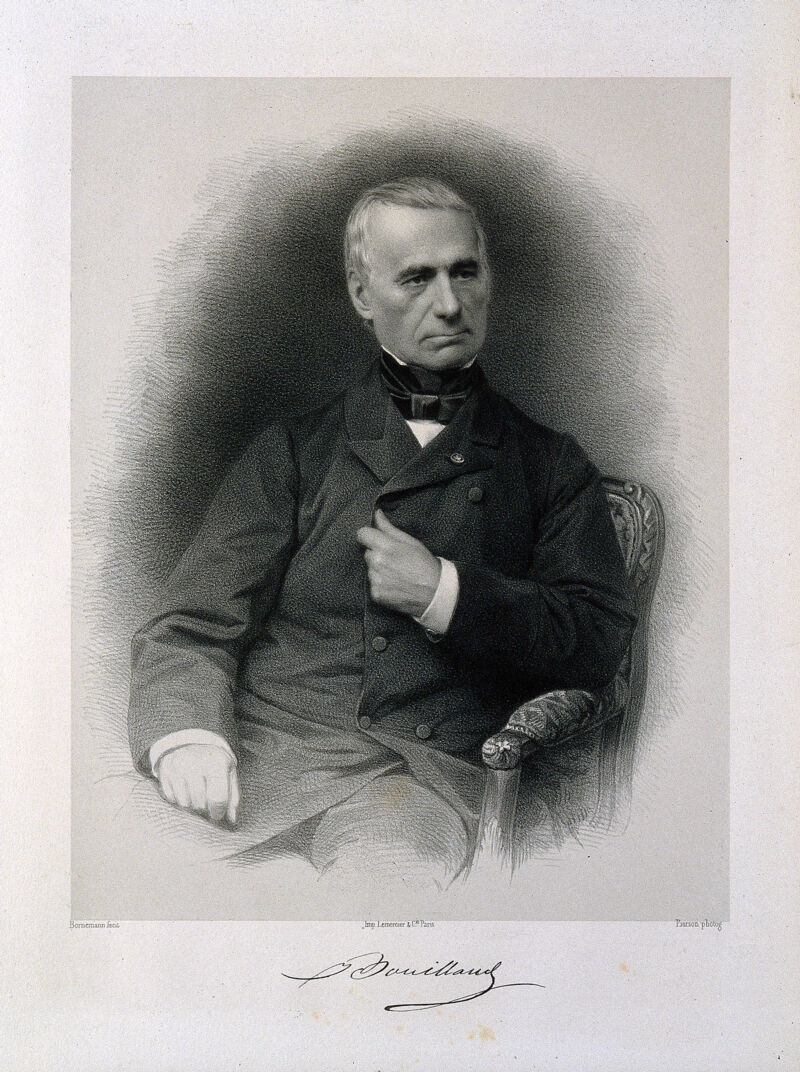
Jean-Baptiste Bouillaud. Lithograph by C. Bornemann after P.L. Pierson., 1873, by Pierre-Louis Pierson
Pierre-Louis Pierson · Wellcome Collection, London · Wellcome Collection
Primary material
Documents and archives
reference work
- “Pierre-Louis Pierson”, English Wikipedia, consulted as further reading
Reputable secondary · Wikipedia
authority record
- Wikidata, structured authority record Q3383295: Pierre-Louis Pierson
General reference · Wikidata
Notes from the source article
Cited by Wikipedia
Notes from the source article
These works are cited by the source article, in its own numbering. They are recorded as its citations, not as sources VALÉORINE has verified.
- 1.John Hannavy, Encyclopedia of Nineteenth-Century Photography, Routledge, 2013, .
- 2.La comtesse de Castiglione, beauté insolente et photographe secrète de sa vie (1837–1899) sur France-Culture.
- 3.Pierre Apraxine Xavier, La Divine Comtesse: Photographs of the Countess de Castiglione, Demange. Metropolitan Museum of Art (New York, N.Y.), New Haven; London : Yale University Press, 2000.
References
Citations
References
Each reference names the institution holding it, so a reader may go to the document itself.
reference work
Secondary witnessauthority record
General reference
The Encyclopedia exists whether or not anything is for sale. Corrections are recorded rather than overwritten, and every version of this record is kept. Published 17 August 2026.
Elsewhere in Photography
11,392 published records in this field, each with its sources named.
- Pierre VergerPhotographer
- Pierre WoodmanPhotographer
- Pierre ZakrzewskiPhotographer
- Pierre-Émile EngelPhotographer
- Pierre-Paul Émile RouxPhotographer
- Piers Moore EdePhotographer
- Pieter CeliePhotographer
- Pieter de Josselin de JongPhotographer
Best supported in this field
For owners
Own a work by Pierre-Louis Pierson?
A specialist will read what you send and tell you what the house can establish, what it cannot, and whether the object is suited to sale. There is no charge and no obligation. The object stays with you throughout; nothing is shipped to us unless it is arranged in writing beforehand.