
Phantasia
Phantasia is the name of an ancient Egyptian woman who was said to have been the author of the immediate sources of the two ancient Greek epics, Iliad and Odyssey, attributed to Homer. According to a fiction retold by the Byzantine scholar Eustathius of Thessalonica and attributed by him to "a certain Naucrates", Phantasia, daughter of Nicarchus of Memphis, an inspired poet, wrote poems about the war in the plains of Troy and the wanderings of Odysseus, and deposited these books in the temple of Hephaestus at Memphis. Homer afterward visited the shrine, persuaded the priests to make copies of the books for him, and afterwards wrote the Iliad and Odyssey.
Phantasia
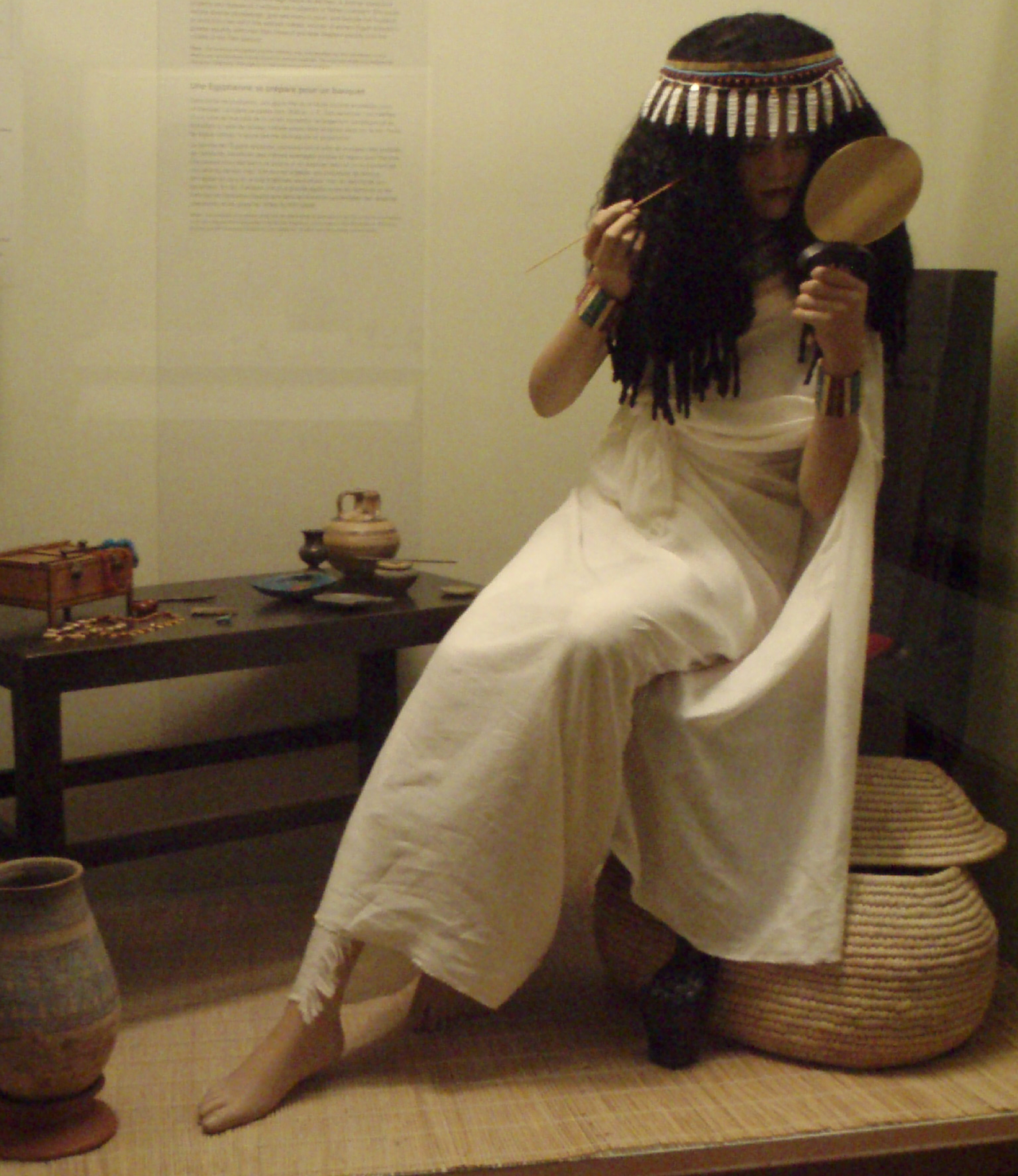
Keith Schengili-Roberts · Self-photographed · CC BY-SA 3.0
- Occupation
- poet · writer
VALÉORINE Encyclopedia
VALÉORINE documentary reading
Documentary summary
Phantasia is the name of an ancient Egyptian woman who was said to have been the author of the immediate sources of the two ancient Greek epics, Iliad and Odyssey, attributed to Homer. According to a fiction retold by the Byzantine scholar Eustathius of Thessalonica and attributed by him to "a certain Naucrates", Phantasia, daughter of Nicarchus of Memphis, an inspired poet, wrote poems about the war in the plains of Troy and the wanderings of Odysseus, and deposited these books in the temple of Hephaestus at Memphis. Homer afterward visited the shrine, persuaded the priests to make copies of the books for him, and afterwards wrote the Iliad and Odyssey.
Admitted source layer · organised and presented by VALÉORINE
Reference Check
Propose documentary evidence for Phantasia. A contribution is never written directly as fact: identity, source, rights and evidence gates still decide.
Sign in to contribute
Documentary evidence
Documentary basis
Authority files
wikidata · Q1216253
In this article
Biography
"Some say" [Eustathius adds] "that Homer himself was Egyptian; others, that he visited the country and was taught by Egyptians." The story is one of the least known of the biographical fictions about Homer; it is mentioned neither by Samuel Butler nor by Andrew Dalby, both of whom have developed the argument that a woman poet was responsible for the Odyssey. An earlier author, Photius of Constantinople, attributes this to Ptolemy Chennus (a Greek mythographer active 1st to 2nd century AD?). Phantasia, a woman of Memphis, daughter of Nicarchus, composed before Homer a tale of the Trojan War and of the adventures of Odysseus. The books were deposited, it is said, at Memphis; Homer went there and obtained copies from Phanites, the temple scribe, and he composed under their inspiration.
Phantasia is a poet and writer.
Citations
References
Each reference names the institution holding it, so a reader may go to the document itself.
reference work
Secondary witness
The Encyclopedia exists whether or not anything is for sale. Corrections are recorded rather than overwritten, and every version of this record is kept. Published 19 August 2026.
Elsewhere in Books
39,319 published records in this field, each with its sources named.
- Phan Thanh GianAuthor
- Phan Thị Kim PhúcAuthor
- Phan Thi Vang-AnhAuthor
- PhanoclesAuthor
- Phanuel BaconAuthor
- Phebe Cobb Larry DoleAuthor
- PherecratesAuthor
- Pherecydes of AthensAuthor
Best supported in this field
For owners
Own a work by Phantasia?
A specialist will read what you send and tell you what the house can establish, what it cannot, and whether the object is suited to sale. There is no charge and no obligation. The object stays with you throughout; nothing is shipped to us unless it is arranged in writing beforehand.