
George Davison
Illustration — 1908 photograph of Davison by Alvin Langdon Coburn George Davison (19 September 1854 – 26 December 1930) was an English photographer, a proponent of impressionistic photography, a co-founder of the Linked Ring Brotherhood of British artists and a managing director of Kodak UK. He was also a millionaire, thanks to an early investment in Eastman Kodak.
Also recorded as George Davidson
George Davison
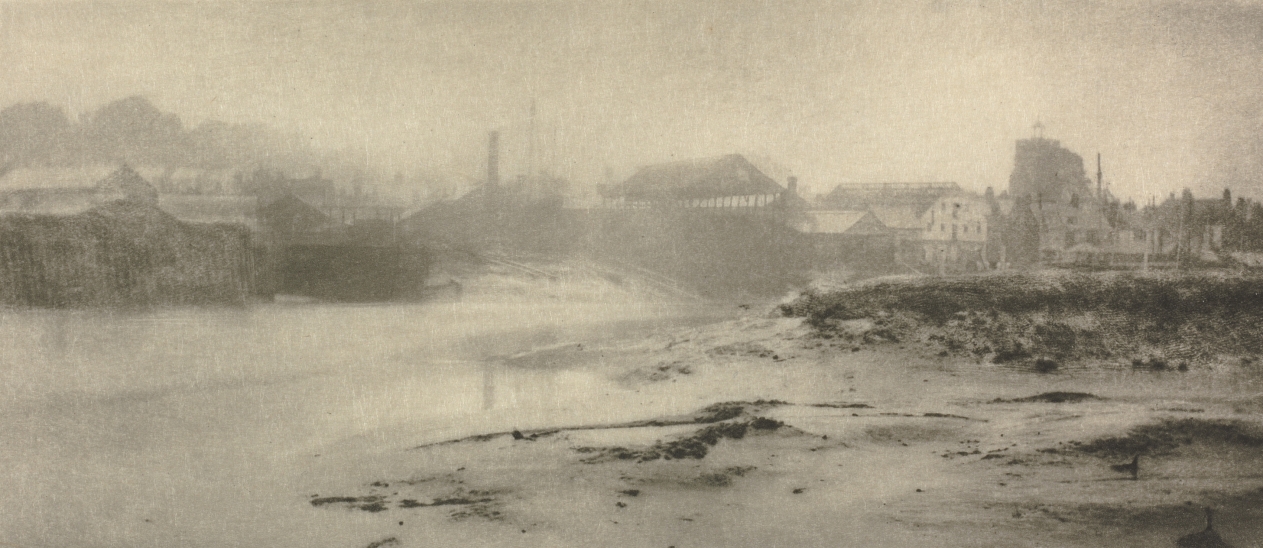
George Davison · The Cleveland Museum of Art · Museum Appropriation · CC0
- Born
- 1854 · Lowestoft.
- Died
- 1930 · Antibes.
- Nationality
- United Kingdom
- Occupation
- photographer
- Languages
- English
VALÉORINE Encyclopedia
VALÉORINE documentary reading
Documentary summary
Illustration — 1908 photograph of Davison by Alvin Langdon Coburn George Davison (19 September 1854 – 26 December 1930) was an English photographer, a proponent of impressionistic photography, a co-founder of the Linked Ring Brotherhood of British artists and a managing director of Kodak UK. He was also a millionaire, thanks to an early investment in Eastman Kodak.
Admitted source layer · organised and presented by VALÉORINE
Reference Check
Propose documentary evidence for George Davison. A contribution is never written directly as fact: identity, source, rights and evidence gates still decide.
Sign in to contribute
World of VALÉORINE
Documentary connections
Only confirmed graph relationships appear here. Images are shown only when their identity and reuse rights both pass the documentary gate.
Documentary evidence
Documentary basis
Authority files
wikidata · Q1365840
In this article
Biography
Biography
Even George Davison was born in Lowestoft, into the poor family of a shipyard carpenter. He received a good education, and gained employment as a civil servant at Somerset House, London in 1874. He began to make photographs in 1885, and he joined the Camera Club photography society around that time. He took part in a Royal Photographic Society exhibition the next year, and became a member. He was influenced by naturalistic photographers in the early phase of his work, especially Peter Henry Emerson. • Illustration — George Davison – The Onion Field (1890) However, Davison experimented with techniques and processes, and soon turned away from naturalistic photography. He started to use a pinhole camera as one of the first pictorialistic photographers. He made a picture called The Onion Field (originally named An Old Farmstead) in 1890, without sharp outlines on a rough paper, giving the effect of painting. It is considered as the first impressionistic photograph. Nevertheless, Davison's photographs became a subject of polemics and controversy in the Royal Photographic Society. He decided to leave the society and to establish a new organisation, the Linked Ring Brotherhood, together with other followers in 1892. George Eastman offered Davison a directorship of the Eastman Photographic Materials Company in London in 1889. It was the start of a long-term connection between Davison, Eastman and Kodak. He left his civil service position in 1897, and became an assistant manager in Eastman Photographic Materials. His first task was to organize a major competition and exhibition of amateur photography in London. The exhibition was successful, receiving more than 25,000 visitors during three weeks. Davison became a deputy director of Kodak in 1898, and the director two years later. He took photographs and held exhibitions till 1911, even though he was busy working for the company. Davison was interested in social reforms which linked him in contacts with anarchists. Therefore, Eastman asked him to resign his director position in 1908. Davison continued to be a member of board till 1912, when he left the Kodak company. He moved to Harlech, north Wales, and later, for health reasons, to Antibes, southern France, where he died in 1930. He married twice, his second wife being Florence ("Joan") Anne Austin-Jones (c.1897–1955). Following his death, she married the photographer Malcolm Arbuthnot.
Life and career
Dated record
Life and career
The full dated record · 2 entries
1854
George Davison was born on 19 September 1854.
1930
George Davison died on 26 December 1930.
Places
Named by the record
Places
Only places the record itself states, plotted where the house gazetteer settles their coordinates. Nothing is inferred from a name or a nationality.
Lowestoft.
Birth place
Antibes.
Death place
Literature
*
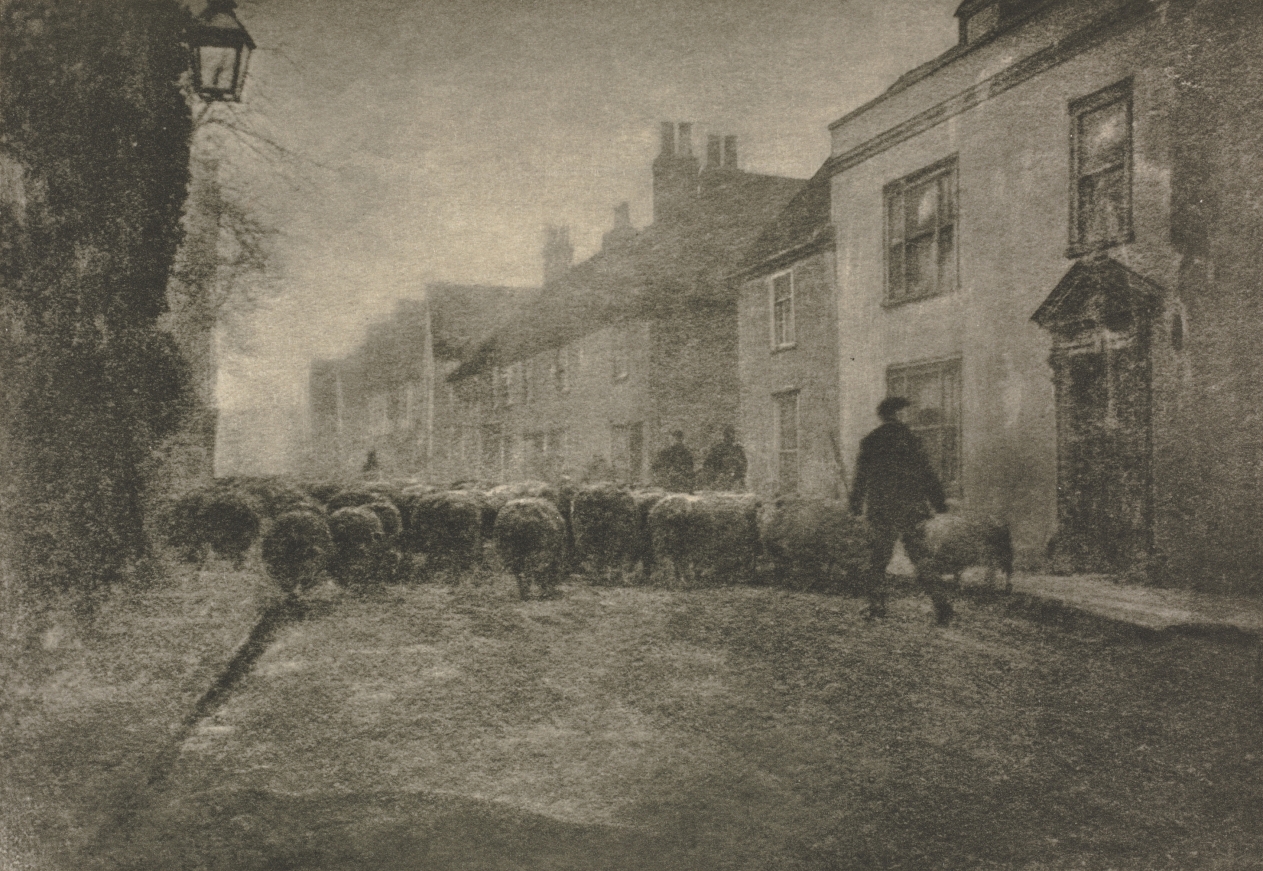
Camera Work: In a Village under the South Downs, 1907, by George Davison
George Davison · The Cleveland Museum of Art · Museum Appropriation
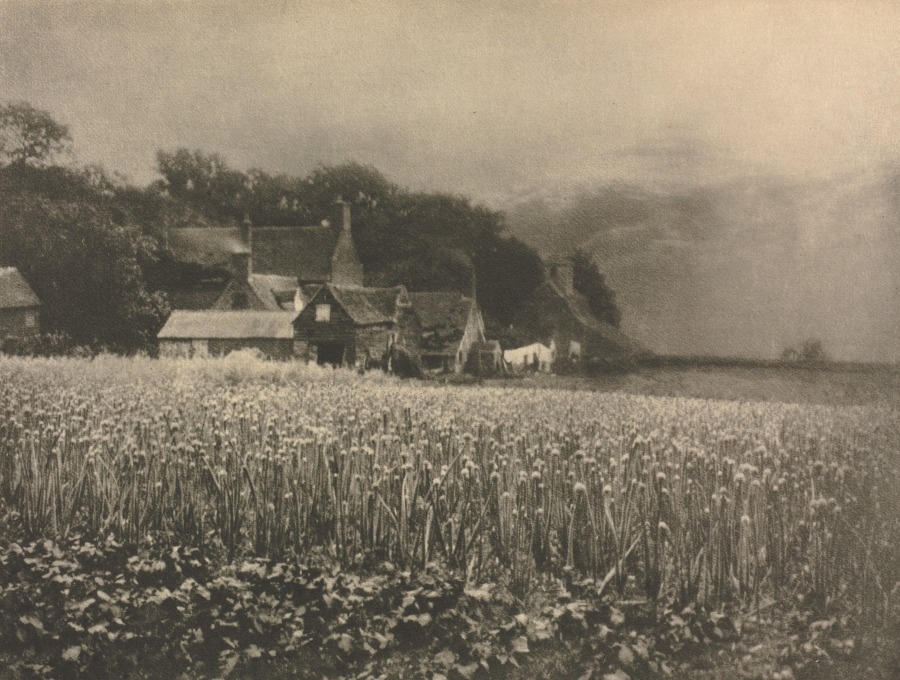
Camera Work: The Onion Field - 1890, 1890, by George Davison
George Davison · The Cleveland Museum of Art · Museum Appropriation
References
Citations
References
Each reference names the institution holding it, so a reader may go to the document itself.
authority record
General reference
Further particulars
Held on the record
Further particulars
Open the remaining particulars
The authorities additionally record the heading George Davidson. His recorded language was English. He married Florence Annie Davison.
Identity and origins
Recognition and collections
Work by George Davison is
Minneapolis Institute of Art, Cleveland Museum of Art, Photography Collection and J. Paul Getty Museum
The Encyclopedia exists whether or not anything is for sale. Corrections are recorded rather than overwritten, and every version of this record is kept. Published 16 August 2026.
Elsewhere in Photography
11,393 published records in this field, each with its sources named.
- George Charles BeresfordPhotographer
- George Christopher DaviesPhotographer
- George Collins CoxPhotographer
- George Da CostaPhotographer
- George DuffieldPhotographer
- George DureauPhotographer
- George E. SmithPhotographer
- George Edward AndersonPhotographer
Best supported in this field
For owners
Own a work by George Davison?
A specialist will read what you send and tell you what the house can establish, what it cannot, and whether the object is suited to sale. There is no charge and no obligation. The object stays with you throughout; nothing is shipped to us unless it is arranged in writing beforehand.