
G. N. Balasubramaniam
Gudalur Narayanaswamy Balasubramaniam (6 January 1910 – 1 May 1965), popularly known as GNB, was an Indian Carnatic singer. He innovated the art through emphasis on laya control and reducing the gamakas which eventually made Carnatic music appeal to the lay and the learned alike. He was also a Tamil film actor.
Also recorded as Gudalur Narayanaswamy Balasubramaniam
G. N. Balasubramaniam
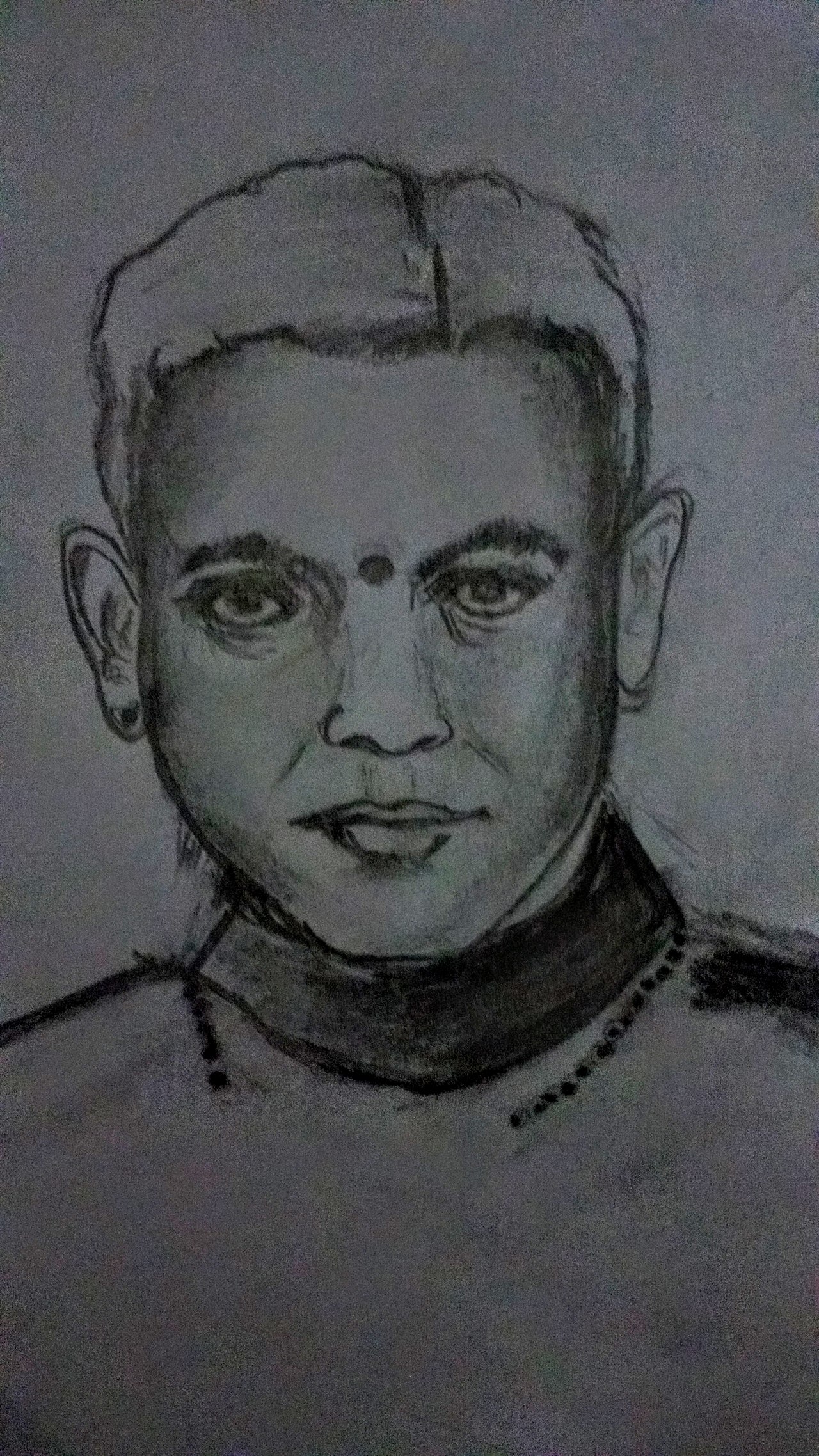
Madhujith M Nair · CC BY-SA 4.0
- Born
- 1910
- Died
- 1965
Reference Check
Propose documentary evidence for G. N. Balasubramaniam. A contribution is never written directly as fact: identity, source, rights and evidence gates still decide.
Sign in to contribute
Documentary evidence
Evidence Panel
identity unresolved · checked 25 September 2026
- Identity
- unresolved
- Independent source families
- 0
- Admitted assertions
- 0
- Open conflicts
- 0
Authority files
museum · a484bcbc-c0d9-468a-952c-9938d5811f85 · wikidata · Q3537274 · wikipedia · G. N. Balasubramaniam
In this article
Key facts
Ariyakudi Iyengar inspired him. He was born in Gudalur, a small village in the south Indian state of Tamil Nadu (then called the Madras Presidency), which is close to Mayavaram. He was the son of G V Narayanaswamy Iyer, who was a music student. Throughout his younger years, he closely observed the techniques of the musicians of his day. Ariyakudi Ramanuja Iyengar became his manasika guru and inspiration. While his father hoped that GNB would become a successful lawyer, he was intent on pursuing his musical ambitions. He completed his BA (Hons) in English Literature at the Christian College, Chennai, and took up a short music course at Annamalai University. Under the guidance of T S Sabesa Iyer, but discontinued due to ill health. However, he joined the diploma course in music at Madras University in the first batch and Tiger Varadhachariar was the principal. Within 2 years, he was ready for concert performances. He gave his first concert in 1928.
• Name — G. N. Balasubramaniam • Background — solo_singer • Born — 6 January 1910 • Origin — Gudalur, Mayavaram, Mayiladuthurai district, Madras Presidency, British India • Occupation — Singer • Died — 1 May 1965 • Place of death — Madras, Madras State, India • Years Active — 1920–1965 • Genre — Carnatic music - Indian Classical Music Gudalur Narayanaswamy Balasubramaniam (6 January 1910 – 1 May 1965), popularly known as GNB, was an Indian Carnatic singer. He innovated the art through emphasis on laya control and reducing the gamakas which eventually made Carnatic music appeal to the lay and the learned alike. He was also a Tamil film actor. Ariyakudi Iyengar inspired him. He was born in Gudalur, a small village in the south Indian state of Tamil Nadu (then called the Madras Presidency), which is close to Mayavaram. He was the son of G V Narayanaswamy Iyer, who was a music student. Throughout his younger years, he closely observed the techniques of the musicians of his day. Ariyakudi Ramanuja Iyengar became his manasika guru and inspiration. While his father hoped that GNB would become a successful lawyer, he was intent on pursuing his musical ambitions. He completed his BA (Hons) in English Literature at the Christian College, Chennai, and took up a short music course at Annamalai University. under the guidance of T S Sabesa Iyer, but discontinued due to ill health. However, he joined the diploma course in music at Madras University in the first batch and Tiger Varadhachariar was the principal. Within 2 years, he was ready for concert performances. He gave his first concert in 1928.
Career
He acted in films, including Bama Vijayam (1934), Sathi Anusuya (1937), Sakuntalai (1940), Udayanan Vasavadatta (1947) (with Vasundhara Devi, mother of Vijayanthimala) and Rukmangadhan (1947). In "Sakunthalai", he appeared as Dushyantha, alongside the vocalist M.S. Subbulakshmi. M.S. Subbulakshmi was fascinated by his music and embraced his style completely in her early years as mentioned in the book M S - A Life in Music by TJS George. After a short stint in the film industry, GNB returned to the Carnatic music fraternity, until his passing in 1965. • Illustration — G. N. Balasubramaniam GNB was known for brigha-laden and brisk music, and emerged as one of the most prominent Carnatic musicians of the era, drawing hundreds of people to each concert. He was famous for his renderings of "Vathapi Ganapathim" by Mutthuswamy Dikshitar and "Vinayaka Ninnu vina" by E. V. Ramakrishna Bhagavathar, both in the ragam Hamsadhwani. It was after hearing his rapid rendition of Vathapi that his father placed him under formal music training. He also frequently sang songs in the ragam Panthuvarali, such as "Paripalaya Sarasiruha" and "Siva Siva Siva", composed by Maharaja Swathi Thirunal and Tyagaraja Swami respectively. After singing either a long main piece or a Ragam Tanam Pallavi, famous ones being "Unadarishanam Kidaikumo" in Kalyani and "Tilai Eesanai Ka" in Kambhoji, he would finish the concert with his popular bhajans and thukuddas, most notably "Dikku Teriyadha Kaatil" by Subramanya Bharati, "Radha Mukha Kamala" in the ragam Hindustani Kapi by Sri Papanasam Sivan, and "Radha Sametha Krishna" in the raga Misra Yaman. Sri GNB also released many records over his career, most notably the krithi "Vasudevayani" in the ragam Kalyani by Saint Tyagaraja, which reportedly earned him Rs 10,000, or around ₹818,153.88 in the present day. Other songs he was famous for include "Brochevarevarura" in Kamas by Mysore Vasudevachariar, "Marukelara O Raghava" in the ragam Jayanthasri by Saint Tyagaraja, "Maragathavallim Manasa" in Kamboji by Mutthuswamy Dikshitar, "Swaminatha Paripalaya" in Nattai by Mutthuswamy Dikshitar, "Ragasudha rasa" in Andholika by Saint Tyagaraja, and others. He composed over 250 krithis, most in Telugu with a few in Sanskrit and Tamil. GNB also invented new ragas. He taught a number of students during his active years. Most famous among them are M. L. Vasanthakumari, Radha-Jayalakshmi duo, Tanjore S. Kalyanaraman, Trichur V. Ramachandran, T. R. Balu, T. S. Balasubramanian, and Ragini.
Administrative role
GNB worked as the Deputy Chief Producer of Carnatic Music, in A.I.R Chennai for a number of years alongside Semmangudi Srinivasa Iyer who was the Chief Producer for Carnatic Music, and Dr. M. Balamuralikrishna who was the Producer for Light Music. GNB joined the Swathi Thirunal College of Music, Thiruvananthapuram, Kerala as Principal in March 1964.
Personal life
He described the world of music as a perilous jungle and discouraged his sons and daughters from learning it. His health deteriorated after a major stroke in the late 1950s. He died on 1 May 1965, aged 55.
Compositions (partial list)
• Composition — Type — Raga — Tala — Language — Other Info • Amboruha Padame — Varnam — Ranjani — Adi — Telugu — In praise of Shakthi • Bharama Baluni — Krithi — Hamsanadam — Adi — Telugu — In praise of Parashakthi • Bhuvanatreya — Krithi — Mohanam — Adi — Sanskrit — In praise of Sasta • Enn Manathamarai — Krithi — Ritigoulam — Adi — Tamil — In praise of Shakti • Entho Muralida — Krithi — Kanada — Rupakam — Telugu — In praise of Shakti • Gathi Veravarama — Krithi — Bhairavi — Misrachapu — Telugu — In praise of Kamakshi • Intha Paraaku Neeve — Krithi — Bhairavi — Adi — Telugu — In praise of Bhairavi • Kamala Charane — Krithi — Amruthabehag — Adi — Sanskrit — In praise of Shakti • Karimukha Varada — Krithi — Naatai — Adi — Sanskrit — In praise of Ganesha • Karuna Jooda Radha — Krithi — Sahana — Adi — Telugu — In praise of Parashakthi • Kavalai Ellam — Krithi — Saraswati — Adi — Tamil — In praise of Shakthi • Madhurapuri Kalyani — Krithi — Purvi Kalyani — Misrachapu — Sanskrit — In praise of Shakthi • Manasaraga — Krithi — Abhogi — Adi — Telugu — In praise of Shakthi • Marivere Gathi — Krithi — Malavi — Adi — Telugu — In praise of Prashakthi • Maravakune Ninnu — Krithi — Arabhi — Adi — Telugu — In praise of Shakthi • Nakabhaya Vara — Krithi — Naataikurinji — Rupakam — Telugu — In praise of Parashakthi • Nee Charanambhujamunu — Krithi — Keeravani — Adi — Telugu — In praise of Shakthi • Nee Daya Raadaa — Varnam — Andolika — Adi — Telugu — In praise of Shakthi • Nee Padame Gati — Krithi — Nalinakanthi — Rupakam — Telugu — In praise of Shakthi • Nee Samanamevaru — Krithi — Shubhapanthuvarali — Adi — Telugu — In praise of Shakthi • Nirvadhi Sukhadayaki — Krithi — Malayamarutham — Rupakam — Telugu — In praise of Shakthi • Paritaapamu Ieka — Krithi — Shanmukhapriya — Adi — Telugu — In praise of Shakthi • Paraanmukhamela — Krithi — Kaanada — Adi — Telugu — In praise of Shakthi • Paramakrupasaagari — Krithi — Yadukulakambhoji — Rupakam — Telugu — In praise of Shakthi • Ranjani Niranjani — Krithi — Ranjani — Adi — Telugu — In praise of Shakthi • Sada Palaya Sarasakshi — Krithi — Mohanam — Adi — Sanskrit — In praise of Shakthi • Santhathamu Ninne Korithini — Krithi — Valaj — Adi — Telugu — In praise of Shakthi • Saraswati Namostute — Krithi — Saraswati — Rupakam — Sanskrit — In praise of Saraswati • Shankara Mahadeva — Krithi — Devamanohari — Adi — Telugu — In praise of Shakthi • Chakra Raja Nilaye — Krithi — Siva Sakthi — Adi — Sanskrit — In praise of Shakthi • Shivananda kamavardhani — Krithi — Kamavardani — Adi — Sanskrit — In praise of Shakthi • Vara Vallabha Ramana — Krithi — Hamsadhwani — Adi — Sanskrit — In praise of Ganesha
Primary material
Documents and archives
reference work
- Wikidata, structured authority record Q3537274: G. N. Balasubramaniam
Reputable secondary · Wikidata
- “G. N. Balasubramaniam”, English Wikipedia, consulted as further reading
Reputable secondary · Wikipedia
Institutional database
- MusicBrainz artist record for G. N. Balasubramaniam
Scholarly · MetaBrainz Foundation
Citations
References
Each reference names the institution holding it, so a reader may go to the document itself.
Institutional database
MusicBrainz artist record for G. N. BalasubramaniamMetaBrainz Foundation
Verifiedreference work
Partially resolvedreference work
Partially resolved
The Encyclopedia exists whether or not anything is for sale. Corrections are recorded rather than overwritten, and every version of this record is kept. Published 19 August 2026.
Elsewhere in Music memorabilia
42,108 published records in this field, each with its sources named.
- G. HarishankarPerson
- G. J. R. KrishnanPerson
- G. K. VenkateshPerson
- G. M. DurraniPerson
- G. V. P. Prakash KumarPerson
- G.T. HoganPerson
- G&R LondonOrganisation
- G7 Welcoming Committee RecordsOrganisation
Best supported in this field
For owners
Own a work by G. N. Balasubramaniam?
A specialist will read what you send and tell you what the house can establish, what it cannot, and whether the object is suited to sale. There is no charge and no obligation. The object stays with you throughout; nothing is shipped to us unless it is arranged in writing beforehand.