
Bernardino Facciotto
Illustration — Mantua, Ducal Palace Bernardino Facciotto (1540–1598) was an Italian military and civil architect who was born and died in Casale Monferrato.
Bernardino Facciotto
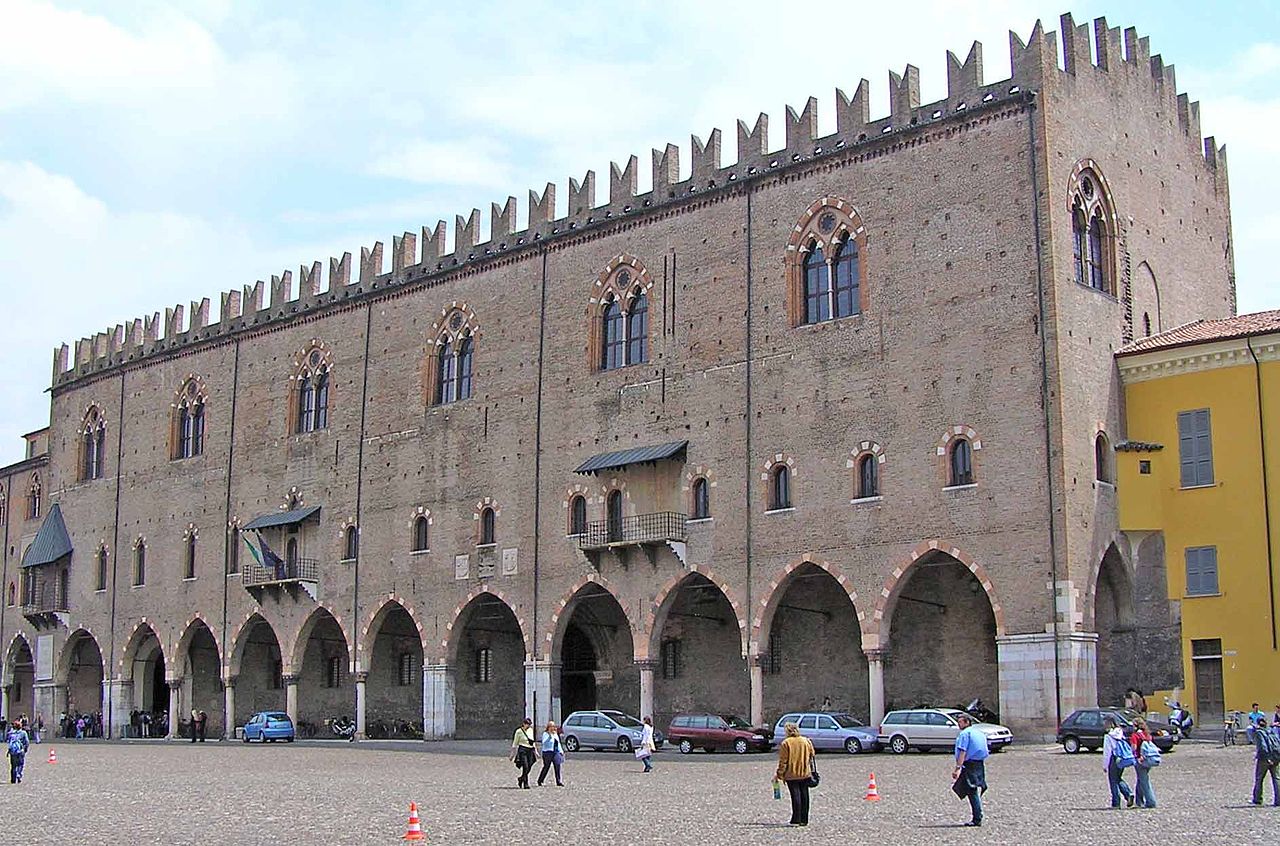
User:BMK · photo taken by User:BMK · CC BY-SA 2.0 de
- Born
- 1540 · Casale Monferrato.
- Died
- 1598 · Casale Monferrato.
- Nationality
- Italy
- Occupation
- architect
VALÉORINE Encyclopedia
VALÉORINE documentary reading
Documentary summary
Illustration — Mantua, Ducal Palace Bernardino Facciotto (1540–1598) was an Italian military and civil architect who was born and died in Casale Monferrato.
Admitted source layer · organised and presented by VALÉORINE
Reference Check
Propose documentary evidence for Bernardino Facciotto. A contribution is never written directly as fact: identity, source, rights and evidence gates still decide.
Sign in to contribute
Documentary evidence
Documentary basis
Authority files
wikidata · Q3638706 · wikipedia · Bernardino Facciotto
In this article
Biography
Born in Casale Monferrato in 1540, he was a pupil of Francesco Paciotto. In 1564 he collaborated with him in works in the city of Turin. In 1576, requested by Guglielmo Gonzaga, Duke of Mantua, he was called for the construction of the city of Alba. Then he moved to Mantua and, in 1576 at the death of the architect Giovanni Battista Bertani, he received orders to continue the reconstruction of the Ducal Palace which he completed with gardens, squares, porches, galleries, courtyards and exedrals, and gave it the look of a ducal residence. Between 1580 and 1582, he made the "patio of the eight faces", (Il cortile delle Otto Facce). Facciotto's work for the court of the Gonzaga also extended outside this city. In Motteggiana in 1582, he completely renovated the Ghirardina Court, initiated by Luca Fancelli around 1470. In 1583, he made an important work in the palace Gazzuolo and the following year he extended the residence of Goito, where Guglielmo retired to pray. In 1587, he worked in the fortress of Cavriana, in Villimpenta's "Villa Zani" which in the same year became the property of Gonzaga and had been projected in 1530 by Giulio Romano. On Guglielmo's death, Facciotto worked for his successor Count Vincenzo I of Gonzaga at the family mausoleum in the church of San Francesco in Mantua. In 1588, he was invited to Castel Goffredo, home of Marquis Alfonso Gonzaga, for the reconstruction of the church of San Erasmo, where the dome had fallen. While he was busy in working at the fortifications of Casale Monferrato he died in 1598. Facciotto had two sons who continued his work: • Girolamo (1565-1648 circa) • Giovan Domenico
Notes from the source article
Cited by Wikipedia
Notes from the source article
These works are cited by the source article, in its own numbering. They are recorded as its citations, not as sources VALÉORINE has verified.
- 1.cita Bonora p. 79 cidBonora .
- 2.cita Bonora pp. 78-79 cidBonora .
References
Citations
References
Each reference names the institution holding it, so a reader may go to the document itself.
reference work
Secondary witnessreference work
Secondary witness
The Encyclopedia exists whether or not anything is for sale. Corrections are recorded rather than overwritten, and every version of this record is kept. Published 16 August 2026.
Elsewhere in Design
11,558 published records in this field, each with its sources named.
- Bernard TschumiDesigner
- Bernard ZehrfussDesigner
- Bernard ZimmermanDesigner
- Bernardino da MartinengoDesigner
- Bernardino MaccarucciDesigner
- Bernardino ZaccagniDesigner
- Bernardo Antonio VittoneDesigner
- Bernardo BuontalentiDesigner
Best supported in this field
For owners
Own a work by Bernardino Facciotto?
A specialist will read what you send and tell you what the house can establish, what it cannot, and whether the object is suited to sale. There is no charge and no obligation. The object stays with you throughout; nothing is shipped to us unless it is arranged in writing beforehand.