
Adriano Cecioni
Illustration — Adriano Cecioni Adriano Cecioni (July 26, 1836May 23, 1886) was an Italian artist, caricaturist, and critic associated with the Macchiaioli group.
Adriano Cecioni
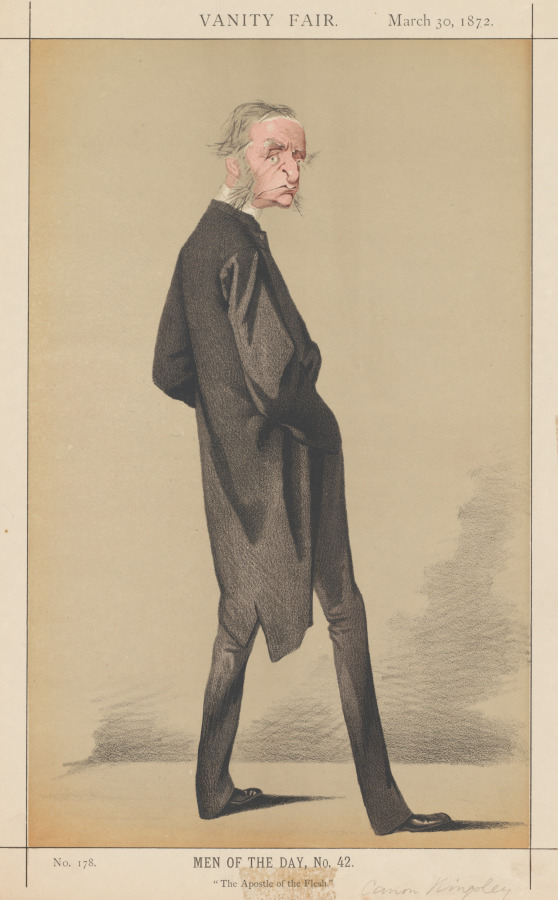
Adriano Cecioni · The Cleveland Museum of Art · Bequest of John Bonebrake · CC0
- Born
- Adriano Cecioni was born on 26 July 1836. · Vaglia.
- Died
- Adriano Cecioni died on 23 May 1886. · Florence.
- Nationality
- Kingdom of Italy.
- Occupation
- painter, sculptor, caricaturist and art critic.
- Education
- Academy of Fine Arts and Florence.
- Known for
- Boy with a Rooster.
VALÉORINE Encyclopedia
VALÉORINE documentary reading
Documentary summary
Illustration — Adriano Cecioni Adriano Cecioni (July 26, 1836May 23, 1886) was an Italian artist, caricaturist, and critic associated with the Macchiaioli group.
Admitted source layer · organised and presented by VALÉORINE
Reference Check
Propose documentary evidence for Adriano Cecioni. A contribution is never written directly as fact: identity, source, rights and evidence gates still decide.
Sign in to contribute
World of VALÉORINE
Documentary connections
Only confirmed graph relationships appear here. Images are shown only when their identity and reuse rights both pass the documentary gate.
Documentary evidence
Documentary basis
Authority files
wikidata · Q2250712 · wikipedia · Adriano Cecioni
In this article
Biography
Biography
Adriano Cecioni studied at Academy of Fine Arts, Florence. Giorgio Kienerk is recorded as having studied under Adriano Cecioni. Places of work recorded in the authority are Florence, Naples and Paris. Works named in the authority record are Boy with a Rooster. Work by Adriano Cecioni is recorded in the collections of Yale Center for British Art and Philadelphia Museum of Art.
He was born in Florence into a middle-class family belonging to the local gentry. He began his artistic training in 1859 at the Florentine Academy under the sculptor Aristodemo Costoli. In that same year he fought alongside Telemaco Signorini in the Second Italian War of Independence. In 1860 he participated in a competition to provide military artworks for the Tuscan government. His submission, a maquette for a statue of Charles Albert of Savoy, won a prize but was deemed unsatisfactory by academicians and was not commissioned. In 1863 Cecioni received a grant and went to Naples, where he was instrumental in the formation of the artists' group Scuola di Resina, which included Giuseppe De Nittis, Marco de Gregorio, and Federico Rossano. A major work of this period was his sculpture The Suicide, which he exhibited at the Florence Academy in 1867. In 1872 Cecioni spent six months in London, where he contributed a series of caricatures to Vanity Fair magazine. After he returned to Italy, the sculptures he produced for the rest of his career were mainly genre works, often humorous in nature. He also painted domestic scenes. In 1884 he became Professor of Drawing at the Istituto di Magistero Femminile. Cecioni's activities as an art critic, which began in the 1870s, consumed an increasing amount of his time in his later years. He died of a heart attack on May 23, 1886. His works are in collections including Galleria d'arte moderna di Palazzo Pitti, Florence; Galleria nazionale d'arte moderna, Rome; Museo statale d'arte medievale e moderna, Arezzo; and Pinacoteca di Brera, Milan. His writings were anthologized in Scritti e ricordi (1905).
Gallery
Gallery
• Illustration — Housework, 1869 • Illustration — Aunt Erminia, ca. 1867/70 • Illustration — Interior with a Figure, 1868 • Illustration — The Interrupted Game (1863/67) • Illustration — Samuel Morley. Caricature published in Vanity Fair, 1872
Life and career
Dated record
Life and career
The full dated record · 2 entries
1836
Adriano Cecioni was born on 26 July 1836.
1886
Adriano Cecioni died on 23 May 1886.
Places
Named by the record
Places
Only places the record itself states, plotted where the house gazetteer settles their coordinates. Nothing is inferred from a name or a nationality.
Adriano Cecioni was born in Vaglia.
Birthplace
Adriano Cecioni died in Florence.
Deathplace
Vaglia.
Birth place
Florence.
Death place
Activity and practice
What Adriano Cecioni did, and where. Cecioni worked at Florence. Cecioni worked at London. Cecioni worked at Naples. Cecioni worked at Paris. Recorded as having studied at Academy of Fine Arts, Florence.
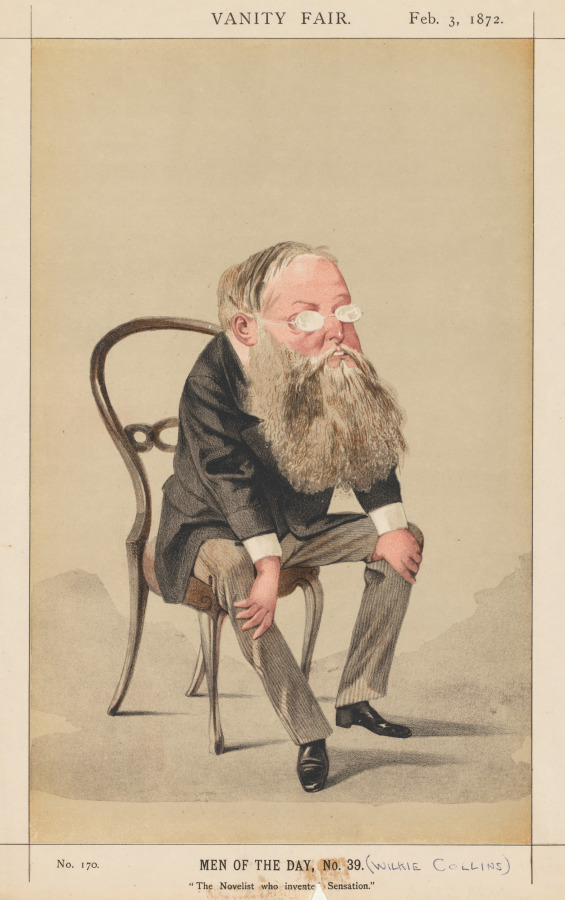
Vanity Fair: Men of the Day, No. 39 "The Novelist who invented Sensation", 1872, by Adriano Cecioni
Adriano Cecioni · The Cleveland Museum of Art · Bequest of John Bonebrake
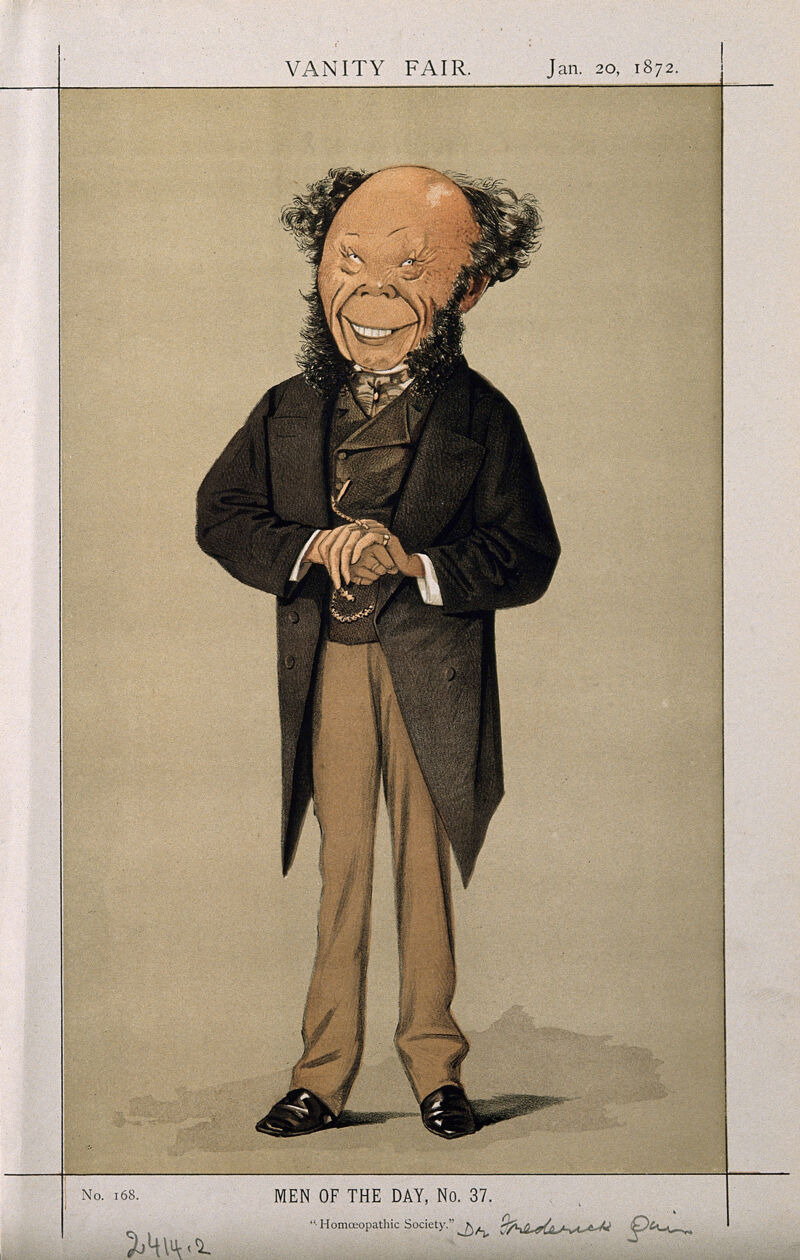
Frederick Foster Quin. Colour lithograph by A. Cecioni, 1872., 1872, by Adriano Cecioni
Adriano Cecioni · Wellcome Collection, London · Wellcome Collection
Primary material
Documents and archives
authority record
- Wikidata, structured authority record Q2250712: Adriano Cecioni
General reference · Wikidata
reference work
- “Adriano Cecioni”, English Wikipedia, consulted as further reading
Reputable secondary · Wikipedia
References
Citations
References
Each reference names the institution holding it, so a reader may go to the document itself.
authority record
Secondary witnessreference work
Secondary witness
Further particulars
Held on the record
Further particulars
Open the remaining particulars
Formation and teaching. Cecioni studied at Academy of Fine Arts, Florence. Each of those relationships is stated by the authority record rather than inferred from style. Recorded with the occupation caricaturist. Recorded as painter, sculptor, caricaturist and art critic.
The Encyclopedia exists whether or not anything is for sale. Corrections are recorded rather than overwritten, and every version of this record is kept. Published 16 August 2026.
Elsewhere in Sculpture
6,174 published records in this field, each with its sources named.
- Adrian JonesArtist
- Adrián Villar RojasArtist
- Adriana JanacópulosArtist
- Adriana VarejãoArtist
- Adriano FiorentinoArtist
- Adrien Étienne GaudezArtist
- Adrien MasreliezArtist
- Adriena ŠimotováArtist
Best supported in this field
For owners
Own a work by Adriano Cecioni?
A specialist will read what you send and tell you what the house can establish, what it cannot, and whether the object is suited to sale. There is no charge and no obligation. The object stays with you throughout; nothing is shipped to us unless it is arranged in writing beforehand.